Giriraj Singh Hails Modi-Takaichi Talks on Defence, AI, Minerals
Synopsis
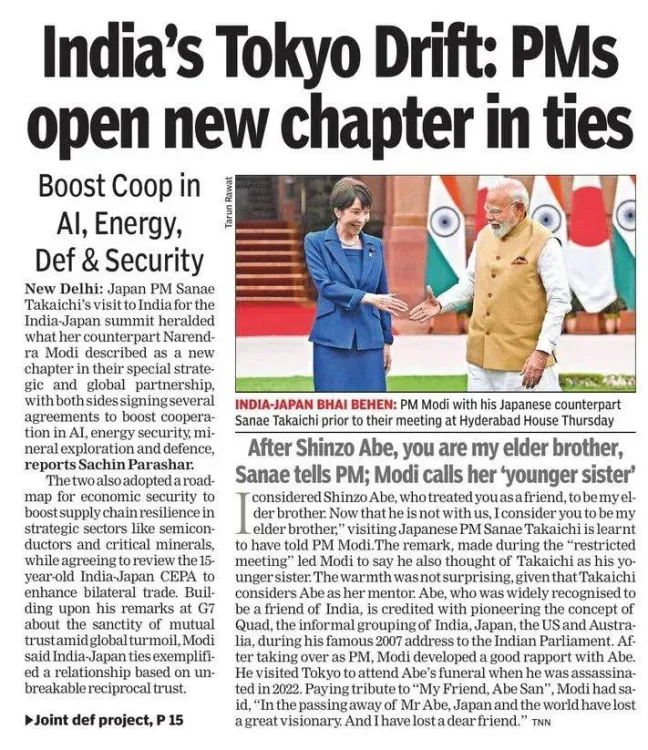
Union Textiles Minister Giriraj Singh hailed the Modi-Takaichi bilateral summit on 3 July 2026, saying India and Japan reached agreement on cooperation in defence, AI, energy, critical minerals, and trade — marking what he called a new chapter in the strategic partnership.
Key Takeaways
Union Textiles Minister Giriraj Singh publicly welcomed the Modi-Takaichi summit on 3 July 2026 , calling it a new chapter in India-Japan ties.
The two leaders agreed to deepen cooperation across five domains: defence, artificial intelligence, energy, critical minerals, and trade .
India and Japan have held institutionalised annual summits since 2006 , underpinned by a Comprehensive Economic Partnership Agreement in force since 2011 .
Both nations cooperate within the Quad framework, which was revived at summit level in 2017 and increasingly covers technology and supply-chain resilience.
The summit aligns with India's Viksit Bharat 2047 vision, which frames international technology and trade partnerships as central to long-term development goals.
Key sectors watching for follow-up include defence manufacturers, AI and tech firms, and critical minerals importers supplying India's clean energy sector.
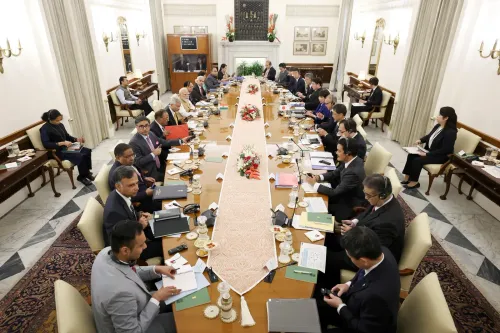
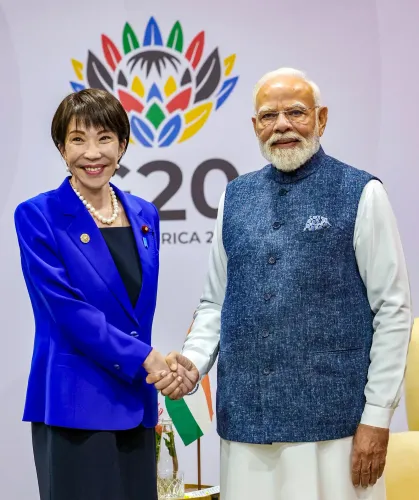
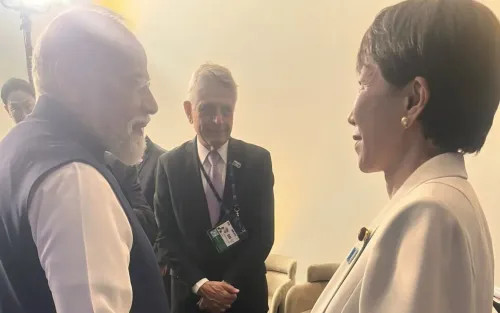
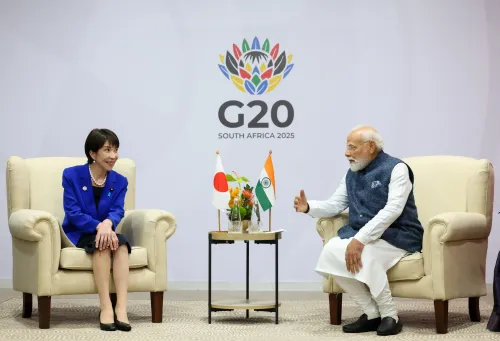
Union Textiles Minister Giriraj Singh on Friday, 3 July 2026, welcomed the bilateral summit between Prime Minister Narendra Modi and Japanese Prime Minister Sanae Takaichi, describing it as a new chapter in India-Japan relations. Singh highlighted that the talks produced agreement on deepening cooperation across defence, artificial intelligence, energy, critical minerals, and trade.
Posting on X, Singh wrote: 'भारत-जापान संबंधों में एक नया अध्याय जुड़ा है' ('A new chapter has been added to India-Japan relations'). He described the Modi-Takaichi dialogue as 'sarthak varta' — a meaningful conversation — and said the partnership would give 'new strength' to bilateral ties while advancing 'shared development.'
Context
India and Japan formalised their Strategic and Global Partnership in December 2006, institutionalising annual summits to review progress on defence, economy, and technology. The two countries also signed the Comprehensive Economic Partnership Agreement in 2011, which remains the backbone of bilateral trade architecture. The July 2026 engagement between Modi and Takaichi follows this long-standing summit tradition.
Both nations are active members of the Quad framework — revived at summit level in 2017 — which coordinates on Indo-Pacific stability, resilient supply chains, and emerging technologies. The current talks, spanning AI and critical minerals, reflect the Quad's evolving economic and technology agenda.
Policy Backdrop
The agreement on critical minerals cooperation is particularly significant. India has been working to diversify its supply chains for minerals essential to clean energy and defence manufacturing, reducing dependence on single-source suppliers. Japan, similarly, has invested in securing mineral supply chains as part of its own economic security legislation.
On artificial intelligence and energy, both governments have signalled intent to co-develop technologies aligned with their respective national priorities — India's Viksit Bharat 2047 vision and Japan's green transformation agenda. Defence technology co-development, a growing pillar of bilateral ties under India's Act East Policy, also featured in the discussions flagged by Singh.
Stakeholders and Impact
Defence manufacturers in both countries stand to benefit from any deepened co-development frameworks emerging from the summit. AI and technology firms — particularly those operating in semiconductor, robotics, and data infrastructure sectors — are watching for follow-up agreements that could open joint research and commercial opportunities.
Critical minerals importers in India, especially those supplying the electric vehicle and renewable energy sectors, could see supply security improve if the bilateral agreement translates into concrete procurement or investment arrangements. The talks also carry implications for India's trade balance with Japan, given the existing Comprehensive Economic Partnership Agreement.
What's Next
Attention will now turn to follow-up mechanisms — joint working groups, investment commitments, or memoranda of understanding — that give operational shape to the areas of agreement flagged in the Modi-Takaichi summit. The next institutionalised annual India-Japan summit and upcoming Quad meetings will be key milestones to watch for implementation signals.
Singh's post, tagged #IndiaJapan, #StrategicPartnership, and #ViksitBharat2047, situates the bilateral engagement squarely within the government's long-horizon development narrative — signalling that senior ministers across portfolios are being mobilised to amplify the diplomatic outcome.
Point of View
AI, energy, critical minerals, and trade — map precisely onto India's strategic vulnerability checklist, suggesting the summit was designed to address supply-chain and technology dependencies in a single high-profile engagement. Framing the outcome under the #ViksitBharat2047 hashtag ties international diplomacy to domestic political branding, a pattern that has become a hallmark of the current government's communication strategy. The real test will be whether joint working groups and investment commitments follow, or whether the agreement remains at the level of intent.
NationPress
1 Oct 2026
Frequently Asked Questions
What did PM Modi and Japanese PM Takaichi agree on?
According to Minister Giriraj Singh's post on 3 July 2026, PM Modi and Japanese PM Sanae Takaichi agreed to enhance cooperation in defence, artificial intelligence, energy, critical minerals, and trade during their bilateral talks.
What is the India-Japan Strategic and Global Partnership?
India and Japan established their Strategic and Global Partnership in December 2006, institutionalising annual summits and cooperation across defence, economy, and technology. The two countries also signed a Comprehensive Economic Partnership Agreement in 2011.
Why are critical minerals important in the India-Japan talks?
Critical minerals are essential for clean energy, electric vehicles, and defence manufacturing. India has been diversifying its mineral supply chains to reduce dependence on single-source suppliers, and Japan is a key partner in this effort.
What is Viksit Bharat 2047?
Viksit Bharat 2047 is the Indian government's vision for a developed India by the centenary of independence in 2047. International technology and trade partnerships, such as those with Japan, are framed as central to achieving this goal.
Why did Giriraj Singh comment on India-Japan relations when he is Textiles Minister?
Senior cabinet ministers across portfolios routinely amplify major diplomatic outcomes on social media as part of coordinated government communication. Singh's post reflects this broader messaging effort around the Modi-Takaichi summit.