Modi, Takaichi vow deeper India-Japan trade and investment ties at G7
Synopsis
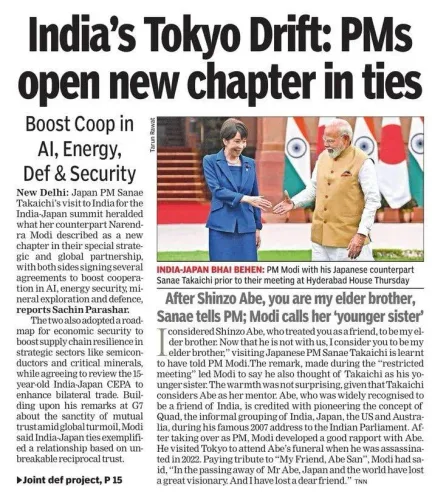
On the sidelines of the G7 Summit, Modi and Japan's new Prime Minister Takaichi committed to accelerating a partnership already backed by over USD 38 billion in Japanese investment — now expanding into semiconductors, critical minerals, and defence manufacturing. With Takaichi signalling Indo-Pacific continuity and India seeking supply chain diversification, the meeting carries strategic weight well beyond a routine bilateral.
Key Takeaways
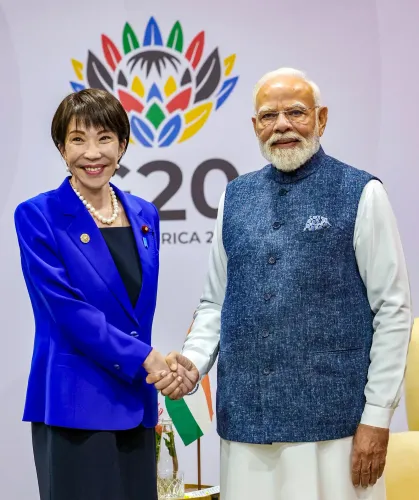
PM Narendra Modi met Japanese PM Sanae Takaichi on 16 June on the sidelines of the G7 Summit , with India attending as an invited partner country.
The leaders prioritised trade and investment , and discussed cooperation in semiconductors , critical minerals , defence manufacturing , and clean energy .
Japan is among India's largest investors, with cumulative investments exceeding USD 38 billion .
The India-Japan Special Strategic and Global Partnership was established in 2014 and has since expanded across infrastructure, defence, and technology.
PM Takaichi , in office since earlier this year, has signalled continuity in Tokyo's Indo-Pacific strategy, including prioritising ties with New Delhi .
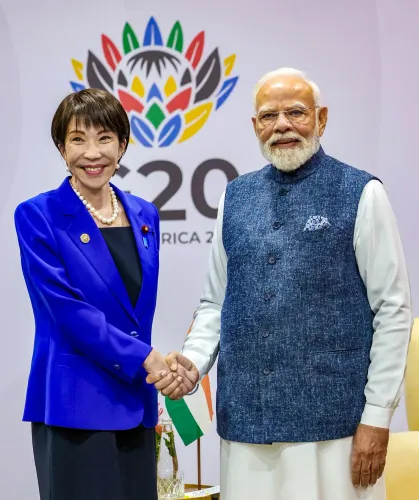
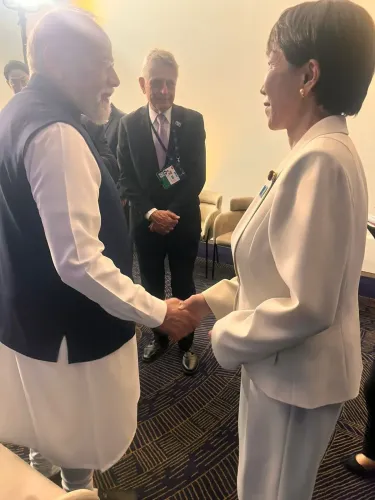
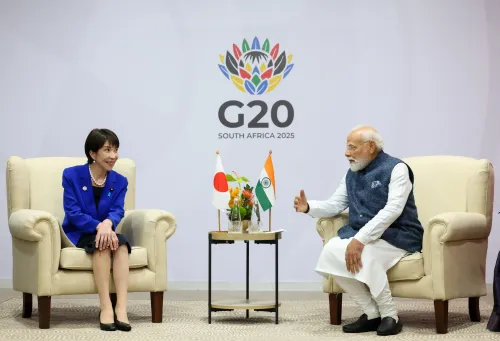
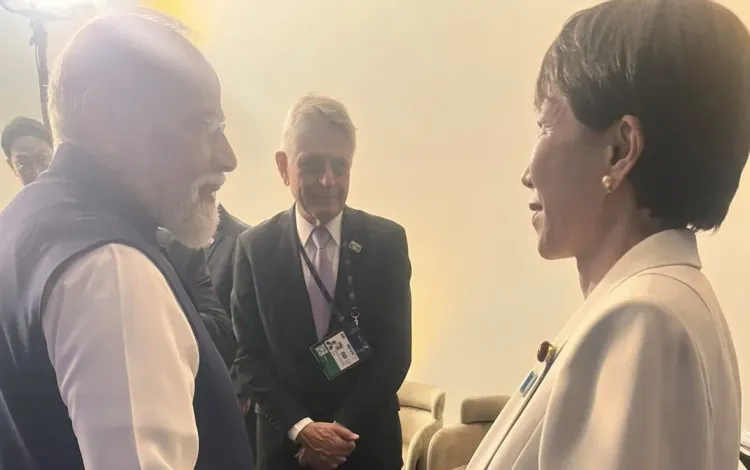
Prime Minister Narendra Modi on Tuesday, 16 June reaffirmed India's commitment to deepening bilateral ties with Japan across diverse sectors, with trade and investment at the forefront, following a meeting with Japanese Prime Minister Sanae Takaichi on the sidelines of the Group of Seven (G7) Summit. India participated in the summit as an invited partner country.
What the Leaders Discussed
Modi described the meeting as 'a great interaction' and stressed the importance of expanding bilateral cooperation. According to officials, the two leaders explored ways to accelerate collaboration in semiconductors, critical minerals, defence manufacturing, digital technologies, and clean energy transitions. They also underscored shared concerns over regional security and the need for closer coordination in multilateral forums.
The Weight of the Partnership
India and Japan have maintained a Special Strategic and Global Partnership since 2014, a relationship that has steadily expanded across infrastructure, defence, technology, and energy security over the past decade. Japan is among India's largest foreign investors, with cumulative investments exceeding USD 38 billion. Flagship projects underpinned by Japanese capital include the Mumbai-Ahmedabad High-Speed Rail corridor and several industrial corridors across the country.
Takaichi's Indo-Pacific Calculus
Prime Minister Takaichi, who assumed office earlier this year, has signalled continuity in Tokyo's foreign policy, particularly in reinforcing ties with New Delhi as part of Japan's broader Indo-Pacific strategy. The bilateral meeting comes at a moment when both nations are actively seeking to counterbalance regional pressures and build greater economic resilience through supply chain diversification.
What Comes Next
The G7 sideline meeting is expected to set the tone for intensified bilateral engagement in the months ahead. Both governments are reportedly working to convert the momentum in emerging sectors — particularly semiconductors and critical minerals — into concrete project pipelines. The interaction reinforces India's positioning as a key node in Japan's Indo-Pacific outreach.
Point of View
Tokyo's reaffirmation of Indo-Pacific priorities with New Delhi carries strategic intent. What is missing from the public readout is specificity: USD 38 billion in cumulative investment is an impressive headline, but the pace of new commitments — particularly in semiconductors and critical minerals, where both countries face supply chain exposure — is what will determine whether this partnership keeps pace with the geopolitical moment. Bilateral summits between India and Japan have a history of producing warm language; the test is whether the G7 sideline conversation translates into project-level acceleration before the next electoral cycle shifts priorities in either capital.
NationPress
19 Sept 2026
Frequently Asked Questions
Where did PM Modi and PM Takaichi meet?
The two leaders met on the sidelines of the G7 Summit on 16 June, where India was present as an invited partner country. Modi described the interaction as 'a great interaction'.
What sectors did India and Japan agree to focus on?
The leaders discussed deepening cooperation in trade, investment, semiconductors, critical minerals, defence manufacturing, digital technologies, and clean energy transitions, according to officials.
How much has Japan invested in India so far?
Japan's cumulative investment in India has exceeded USD 38 billion, making it one of India's largest foreign investors. Key projects include the Mumbai-Ahmedabad High-Speed Rail and multiple industrial corridors.
Who is Sanae Takaichi and what is her stance on India ties?
Sanae Takaichi is Japan's Prime Minister, who assumed office earlier in 2025. She has signalled continuity in Tokyo's foreign policy, particularly in strengthening ties with India as part of Japan's broader Indo-Pacific strategy.
What is the India-Japan Special Strategic and Global Partnership?
It is the highest tier of bilateral relationship between India and Japan, established in 2014. Over the past decade, it has expanded to cover infrastructure, defence, technology, energy security, and supply chain diversification.