Puri hails PM Modi's Manila Gurdwara foundation stone
Synopsis
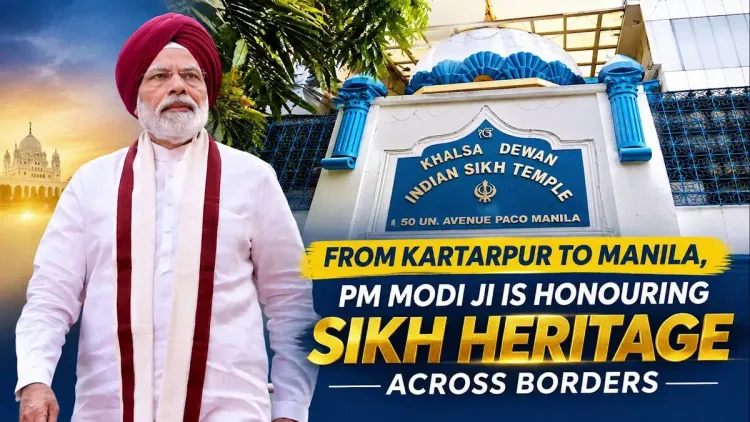
PM Modi laid the foundation stone for redeveloping Khalsa Diwan Gurudwara in Manila during his Philippines visit. Union Petroleum Minister Hardeep Singh Puri linked the moment to a broader pattern of Sikh-heritage initiatives including the Kartarpur Corridor, Veer Baal Diwas, and the 2021 Kabul Saroops repatriation.
Key Takeaways
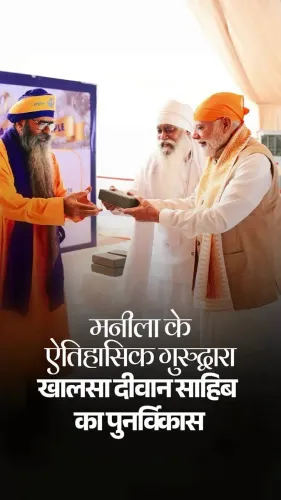
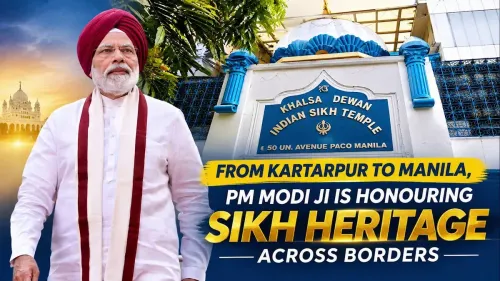
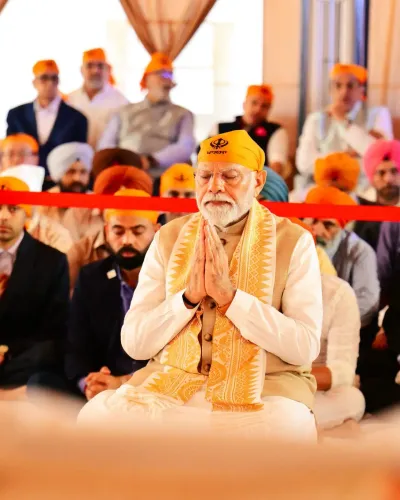
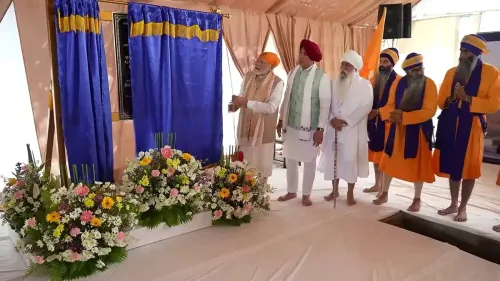
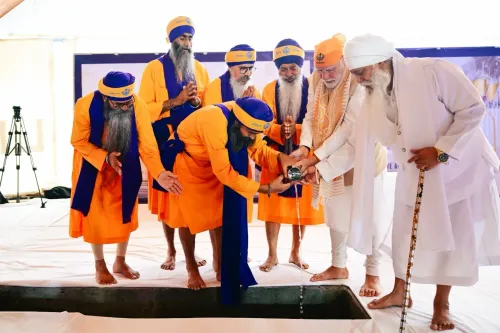
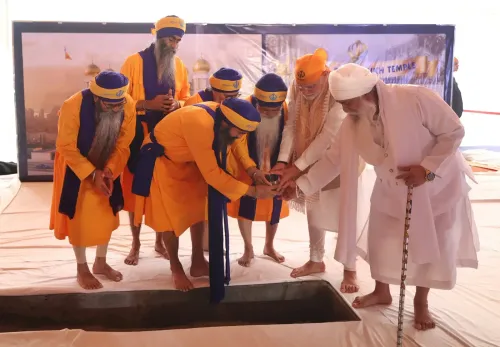
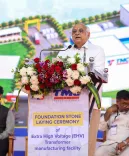
PM Modi laid the foundation stone for redeveloping the historic Khalsa Diwan Gurudwara in Manila, Philippines during his state visit on 17 November 2026 .
Minister Hardeep Singh Puri described the project as preserving 'generations of faith, memories and history' for the Sikh Sangat in Southeast Asia.
The Kartarpur Sahib Corridor , inaugurated in November 2019 , enabled visa-free pilgrim access to Gurdwara Darbar Sahib in Pakistan.
Veer Baal Diwas was first observed nationally on 26 December 2022 to honour the martyrdom of Guru Gobind Singh's sons.
In 2021 , the Government of India facilitated the repatriation of three sacred Saroops of Sri Guru Granth Sahib Ji from Kabul ; Minister Puri was present for their arrival.
Puri also credited PM Modi's personal support in finding a permanent home for the sacred Jore Sahib of Guru Gobind Singh Ji and Khalsa Mata Sahib Kaur Ji.
When Prime Minister Narendra Modi laid the foundation stone for the redevelopment of the Khalsa Diwan Gurudwara in Manila, Philippines, it was not merely a construction ceremony — it was a signal, sent thousands of miles from home, that India's engagement with its Sikh diaspora stretches well beyond its borders. Union Petroleum Minister Hardeep Singh Puri, posting on Tuesday, 17 November 2026, called the moment 'much more than the redevelopment of a Gurudwara' — a preservation of 'generations of faith, memories and history.'
A historic gurdwara in Southeast Asia gets a new chapter
The Khalsa Diwan Gurudwara in Manila is one of the most significant Sikh places of worship in Southeast Asia, serving a diaspora community whose roots in the Philippines go back generations. PM Modi's decision to personally lay the foundation stone during his state visit elevates the project to the level of bilateral cultural diplomacy — a rare and deliberate gesture that the Sikh Sangat in the region is unlikely to forget quickly.
Minister Puri framed the redevelopment as the latest chapter in a continuing story, pointing to a consistent policy arc stretching back years. 'Over the years, PM Modi Ji has taken numerous important steps that reflect his respect and commitment towards the Sikh community and its rich heritage,' he wrote.
From Kartarpur to Kabul: the policy arc behind the gesture
The minister's post draws a direct line from Manila to a string of landmark decisions. The Kartarpur Sahib Corridor, inaugurated in November 2019, opened visa-free pilgrim access from India to Gurdwara Darbar Sahib in Pakistan — a decades-old demand of the Sikh community finally fulfilled. Veer Baal Diwas, first observed nationally on 26 December 2022, established a formal annual commemoration of the martyrdom of the Chaar Sahibzaade, the sons of Guru Gobind Singh Ji.
Perhaps the most dramatic episode Puri invokes is from 2021: the government-facilitated repatriation of three sacred Saroops of Sri Guru Granth Sahib Ji from Kabul as Afghanistan descended into crisis. 'I was blessed to be present and perform seva of the holy Saroops on their arrival,' Puri wrote — a rare, personal disclosure that lends the post an unusual emotional weight.
The Jore Sahib and a minister's personal gratitude
Minister Puri also disclosed a more intimate dimension: his own family and members of the Sikh Sangat had been searching for a permanent home to preserve the sacred Jore Sahib of Dasam Pita Sri Guru Gobind Singh Ji and Khalsa Mata Sahib Kaur Ji. He expressed gratitude for PM Modi's 'personal guidance and support' in that effort — a detail that underscores how the government's Sikh-heritage initiatives operate at both the institutional and deeply personal level.
Taken together, these steps form part of a recognisable pattern: India deploying cultural and religious diplomacy to reinforce ties with Sikh communities globally, from South Asia to Southeast Asia, while simultaneously strengthening domestic observances that honour Sikh history.
What the Manila moment means for diaspora diplomacy
India has long used high-profile state visits to signal its commitment to diaspora communities — Prime Ministers have addressed packed stadiums from Madison Square Garden to Sydney. The Manila gurdwara foundation stone follows that template but is notably intimate: a religious site, not a rally. It tells the Philippine Sikh Sangat that their sacred space registers at the highest levels of Indian statecraft.
Funding details and a construction timeline for the Manila redevelopment are yet to be formally announced. But with a Prime Ministerial foundation stone now in place, the project carries a political weight that makes its completion a matter of diplomatic commitment — not just community aspiration.
Point of View
Where India has been deepening its Act East engagements, adds a soft-power layer to what is primarily a bilateral economic and strategic visit. Minister Puri's unusually personal disclosure about the Kabul Saroops repatriation and the Jore Sahib also signals that the government views Sikh-heritage stewardship not just as policy but as lived commitment — a framing that resonates strongly with a community attentive to symbolic gestures from the state.
NationPress
17 Nov 2026
Frequently Asked Questions
What is the Khalsa Diwan Gurudwara in Manila?
The Khalsa Diwan Gurudwara in Manila, Philippines, is one of the most significant Sikh places of worship in Southeast Asia, serving a Sikh diaspora community with generations of history in the country. PM Modi laid its redevelopment foundation stone during his Philippines state visit in November 2026.
What is the Kartarpur Sahib Corridor?
The Kartarpur Sahib Corridor, inaugurated in November 2019, allows Indian pilgrims to travel visa-free to Gurdwara Darbar Sahib in Kartarpur, Pakistan — fulfilling a long-standing demand of the Sikh community.
What is Veer Baal Diwas?
Veer Baal Diwas is a national observance held on 26 December each year to commemorate the martyrdom of the Chaar Sahibzaade — the four sons of Guru Gobind Singh Ji. It was instituted by the Government of India and first observed nationally on 26 December 2022.
What happened to the Guru Granth Sahib Saroops from Kabul in 2021?
In 2021, the Government of India facilitated the safe return of three sacred Saroops of Sri Guru Granth Sahib Ji from Kabul as Afghanistan faced crisis. Minister Hardeep Singh Puri has stated he was personally present to perform seva upon their arrival in India.
Why did PM Modi visit the Philippines in 2026?
PM Modi's visit to the Philippines in November 2026 is a bilateral state visit. During the visit, he laid the foundation stone for the redevelopment of the Khalsa Diwan Gurudwara in Manila, underscoring India's cultural diplomacy and engagement with the Sikh diaspora in Southeast Asia.