Puri Marks World Tourism Day, Invokes 'Atithi Devo Bhava'
Synopsis
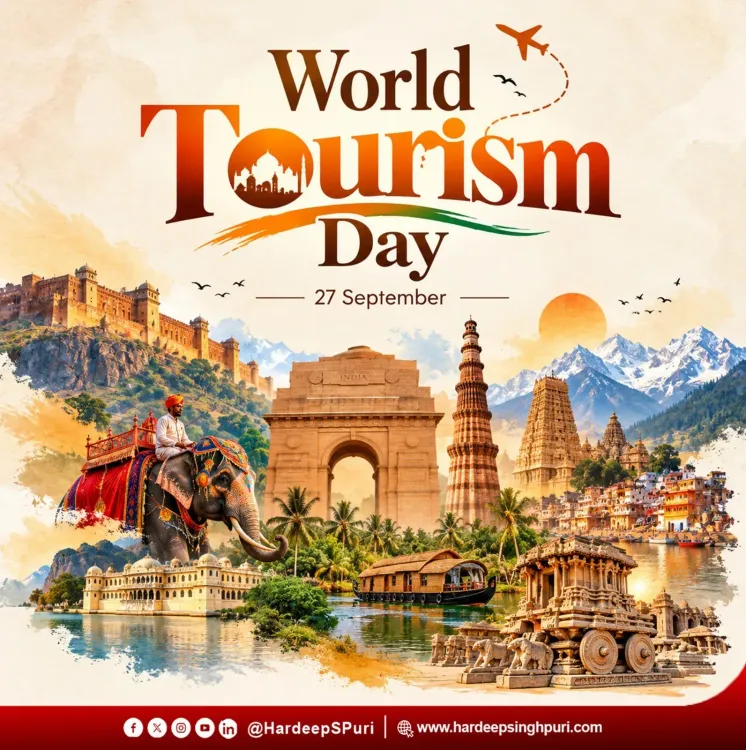
On World Tourism Day, 27 September 2026, Union Minister Hardeep Singh Puri called on Indians to embrace the 'Atithi Devo Bhava' spirit — keeping tourist sites clean, preserving heritage, and helping showcase India's culture and diversity to the world.
Key Takeaways
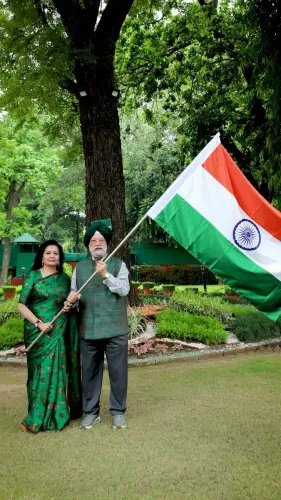
Union Petroleum Minister Hardeep Singh Puri posted a World Tourism Day message on 27 September 2026 .
He described tourism as a medium to connect India's culture, heritage, nature and diversity with the world.
Puri invoked the ancient principle Atithi Devo Bhava — 'the guest is equivalent to God' — urging citizens to treat visitors with reverence.
The minister called for keeping tourist sites clean and safeguarding India's heritage legacy.
The message aligns with long-standing government campaigns including Incredible India , active since 2002 .
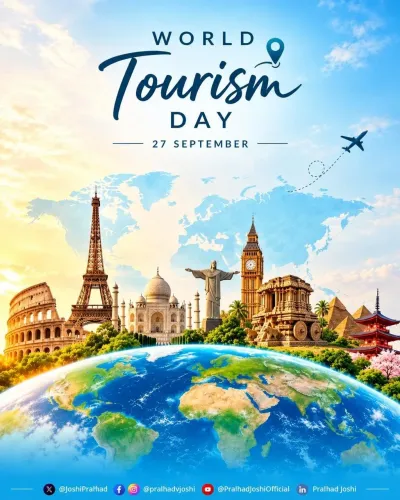
World Tourism Day is observed globally on 27 September under the UN World Tourism Organization .
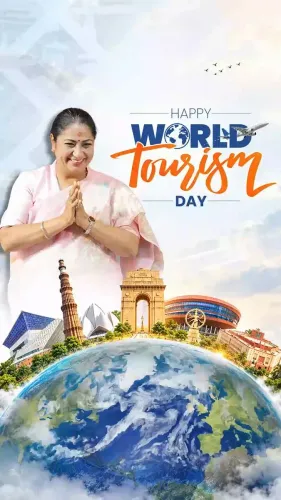
Every temple spire, every mountain trail, every riverbank in India has a story to tell — and on World Tourism Day, 27 September 2026, Union Petroleum Minister Hardeep Singh Puri used the global observance to call on citizens to become active ambassadors of that story.
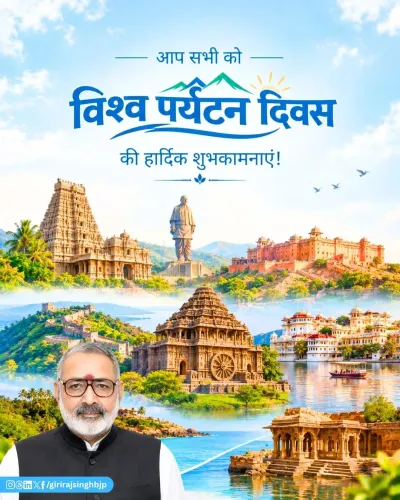
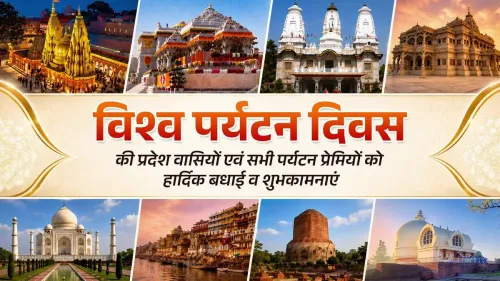
In a message posted on X, Puri extended warm wishes to all tourism enthusiasts, writing: 'पर्यटन भारत की संस्कृति, विरासत, प्रकृति और विविधता को दुनिया से जोड़ने का एक खूबसूरत माध्यम है' — 'Tourism is a beautiful medium for connecting India's culture, heritage, nature and diversity with the world.' He invoked the ancient Sanskrit principle Atithi Devo Bhava — 'the guest is equivalent to God' — urging people to keep tourist sites clean, preserve their heritage, and help carry India's beauty to a global audience.
Temples, Tirthas and the Tourism Pitch
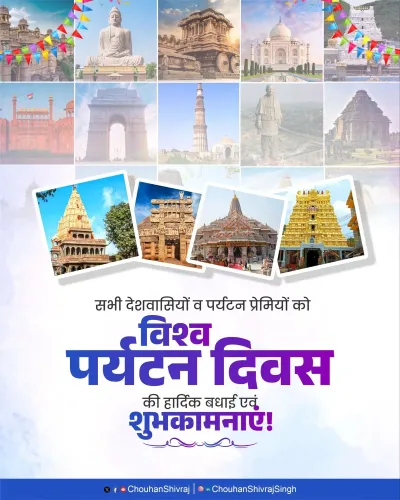
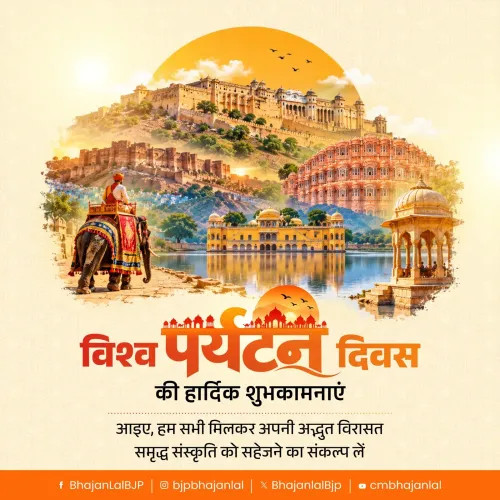
Puri's message moves through a vivid roll-call of India's draws — temples, pilgrimage sites, historical monuments, mountains, rivers, and folk culture — framing each as a distinct chapter in a larger national narrative. The breadth is deliberate. India's tourism identity spans the sacred and the scenic, the ancient and the living, and the minister's framing positions all of it as one coherent offering to the world.
The Atithi Devo Bhava appeal has deep institutional roots. The Ministry of Tourism has long used the phrase as both a hospitality standard and a civic campaign, asking locals at major heritage sites to treat visiting strangers with the reverence traditionally accorded to guests. Paired with the long-running Incredible India campaign — active since 2002 — it forms a cornerstone of how India brands itself to international travellers.
Why World Tourism Day Draws Ministerial Attention
World Tourism Day is observed annually on 27 September under the aegis of the UN World Tourism Organization, with a mandate to spotlight tourism's contribution to sustainable development. For Indian ministers, the occasion is a well-worn opportunity to reinforce the link between cultural assets and economic opportunity — heritage conservation, inbound arrivals, and rural livelihoods all converge in a single messaging moment.
Puri's call to 'keep our tourist sites clean' carries a specific policy echo: cleanliness at heritage and pilgrimage sites has been a persistent theme in government communications, tying tourism promotion directly to civic responsibility. The ask is simple but load-bearing — no amount of global branding survives a poorly-maintained site.
As India continues to position itself as a world-class destination, the message from New Delhi on this World Tourism Day is clear: the responsibility of the invite belongs to every citizen, not just the government's marketing budget.
Point of View
Messaging like this reinforces a narrative thread connecting cleanliness drives, pilgrimage circuit development, and inbound tourism. The absence of any new policy announcement keeps the post ceremonial, but its timing — on a globally observed day — ensures it feeds into India's sustained effort to project soft power through cultural tourism.
NationPress
27 Sept 2026
Frequently Asked Questions
What is World Tourism Day and when is it observed?
World Tourism Day is an annual global observance held on 27 September , promoted by the UN World Tourism Organization to highlight tourism's role in sustainable development and cultural exchange.
What does 'Atithi Devo Bhava' mean?
Atithi Devo Bhava is a Sanskrit phrase meaning 'the guest is equivalent to God.' It has been adopted by India's Ministry of Tourism as a hospitality standard and civic campaign encouraging locals to treat visitors with reverence.
What did Hardeep Singh Puri say on World Tourism Day 2026?
Puri extended greetings to tourism enthusiasts, called tourism a medium for showcasing India's culture and diversity, and urged citizens to keep tourist sites clean, preserve heritage, and help carry India's beauty to a global audience.
What is the Incredible India campaign?
The Incredible India campaign is a national tourism promotion initiative launched in 2002 to showcase India's heritage, culture, and natural diversity to international travellers.
Why do Indian ministers mark World Tourism Day?
Indian ministers use World Tourism Day to reinforce the connection between India's cultural assets and economic opportunity, linking heritage conservation, foreign visitor arrivals, and civic responsibility in a single national message.