Puri pays tribute to Baba Deep Singh on Shaheedi Diwas
Synopsis
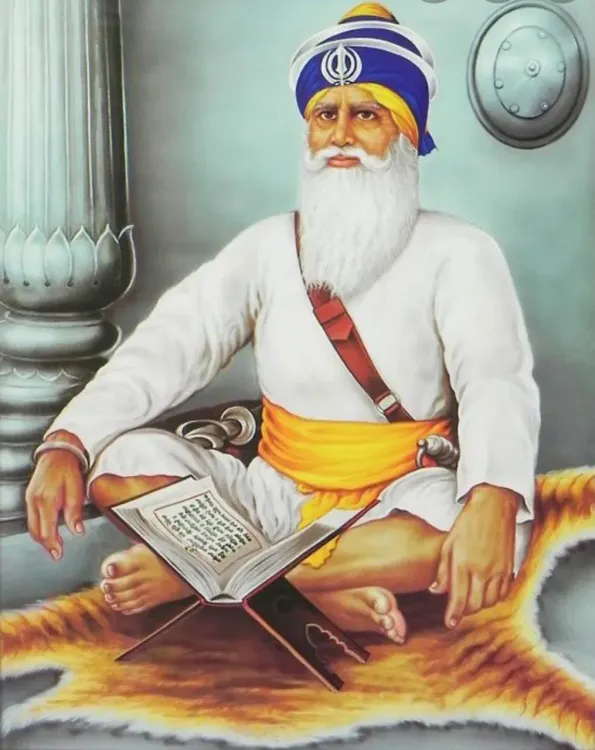
Union Petroleum Minister Hardeep Singh Puri marked the Shaheedi Diwas of 18th-century Sikh warrior-martyr Baba Deep Singh Ji, honouring the first Jathedar of Damdami Taksal with a Gurbani verse and a crore-fold salutation for his supreme sacrifice.
Key Takeaways
Hardeep Singh Puri , Union Petroleum Minister and senior BJP leader, posted a tribute on the Shaheedi Diwas of Baba Deep Singh Ji .
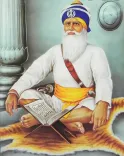
Baba Deep Singh Ji was the first Jathedar of Damdami Taksal and a head of Takht Sri Damdama Sahib , one of Sikhism's five temporal seats.
Minister Puri opened his post with a Gurbani verse and offered koti koti pranam — a crore-fold salutation — to the martyr.
Baba Deep Singh Ji is revered for leading a force to reclaim the Harmandir Sahib in the 18th century, continuing to fight even after a mortal wound, according to tradition.
Senior BJP leaders regularly mark Sikh martyrdom anniversaries, reflecting both personal faith and political outreach to Punjab and the Punjabi diaspora.
A warrior who carried his severed head into battle to keep a sacred vow — Baba Deep Singh Ji is remembered every year with reverence across the Sikh world, and this year Union Petroleum Minister Hardeep Singh Puri joined that remembrance with a heartfelt tribute on his Shaheedi Diwas.
Posting in Punjabi and Hindi on Sunday, 15 November, Minister Puri opened with the timeless Gurbani verse — ਜਉ ਤਉ ਪ੍ਰੇਮ ਖੇਲਣ ਕਾ ਚਾਉ — 'If you wish to play the game of love, come to my lane with your head placed on your palm.' The lines, attributed to Guru Nanak Dev Ji, have long been invoked to honour those who sacrificed everything for faith and principle.
The legacy of the warrior-saint of Damdama Sahib
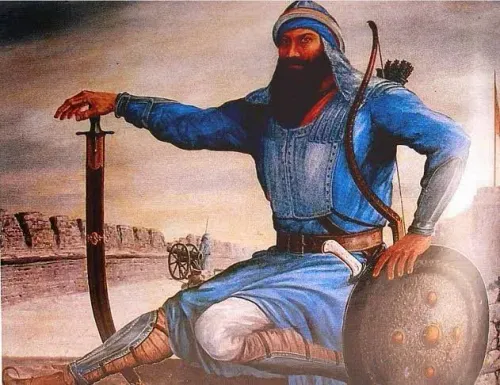
Baba Deep Singh Ji stands as one of the most revered martyrs in Sikh history. He was the first Jathedar of Damdami Taksal — the preeminent Sikh religious seminary — and a head of Takht Sri Damdama Sahib, one of the five temporal seats of Sikh authority. In the 18th century, when Mughal forces desecrated the Harmandir Sahib (Golden Temple) in Amritsar, Baba Deep Singh Ji led a force of devoted Sikhs to reclaim it. According to tradition, he continued fighting even after being mortally wounded, and is said to have carried his own head on his palm as he pressed forward — a story of resolve so profound it has become inseparable from Sikh martial identity.
Minister Puri wrote in Hindi: 'Shaheed Baba Deep Singh Ji's indomitable courage, unwavering devotion to faith, and supreme sacrifice will always inspire us.' He offered koti koti pranam — a crore-fold salutation — to the martyr's memory.
Senior BJP voices and the Sikh martyrdom calendar
Senior BJP leaders and Union ministers regularly mark Sikh shaheedi anniversaries with public tributes, reflecting both personal faith and the party's sustained outreach to the Sikh community — particularly in Punjab and among the Punjabi diaspora. Baba Deep Singh Ji's Shaheedi Diwas is among the most widely observed such occasions, drawing commemorations at gurdwaras across India and abroad.
Damdami Taksal, the institution Baba Deep Singh Ji once led, continues to be a central force in Sikh theological education, and Takht Sri Damdama Sahib in Talwandi Sabo, Bathinda remains an active seat of religious authority — making the anniversary as living and present as it is historical.
Courage that places faith above self-preservation does not age. Baba Deep Singh Ji's story endures precisely because it asks a question every generation must answer for itself.
Point of View
Blending genuine reverence with deliberate community outreach in a state where the party has historically sought stronger roots. Puri's choice to open with a Gurbani verse — rather than a plain condolence — signals an effort to engage with the theological and emotional depth of the occasion, not merely its political utility. The invocation of Damdami Taksal, an institution with significant doctrinal influence in Punjab, adds a layer of religious specificity that goes beyond routine commemoration. Watched together, such tributes trace a long arc of the BJP's attempt to embed itself more deeply in Sikh religious identity.
NationPress
15 Nov 2026
Frequently Asked Questions
Who was Baba Deep Singh Ji?
Baba Deep Singh Ji was an 18th-century Sikh warrior-saint, the first Jathedar of Damdami Taksal and a head of Takht Sri Damdama Sahib. He is revered for leading a force to defend the Harmandir Sahib and is said to have continued fighting even after sustaining a mortal wound.
When is Baba Deep Singh Ji's Shaheedi Diwas observed?
Baba Deep Singh Ji's Shaheedi Diwas is observed annually and commemorated at gurdwaras across India and around the world. The exact date follows the Sikh calendar and varies slightly each year.
What is Damdami Taksal?
Damdami Taksal is a prominent Sikh religious seminary with roots in the 18th century. Baba Deep Singh Ji was its first Jathedar. It remains a significant institution for Sikh theological education.
What is Takht Sri Damdama Sahib?
Takht Sri Damdama Sahib, located in Talwandi Sabo in Bathinda, Punjab, is one of the five Takhts — temporal seats of authority — in Sikhism. It is sometimes called the 'Kashi of the Sikhs' and is associated with Guru Gobind Singh Ji and Baba Deep Singh Ji.
Why did Hardeep Singh Puri pay tribute to Baba Deep Singh Ji?
Union Petroleum Minister Hardeep Singh Puri posted the tribute on Baba Deep Singh Ji's Shaheedi Diwas, saluting the martyr's courage, devotion to faith, and supreme sacrifice. Senior BJP leaders regularly mark such Sikh martyrdom anniversaries.