Puri pays tribute to Birsa Munda on Janjatiya Gaurav Diwas
Synopsis
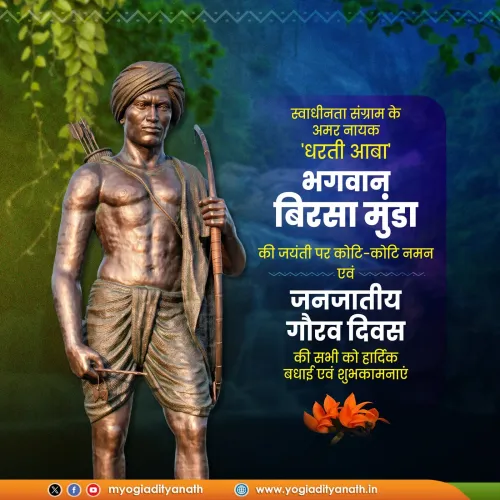
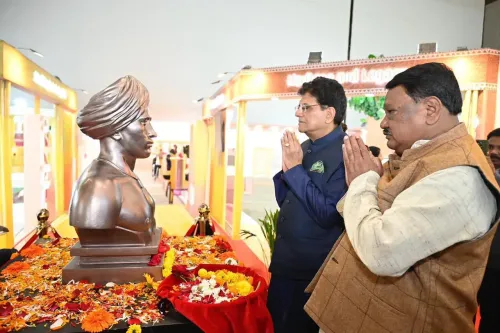
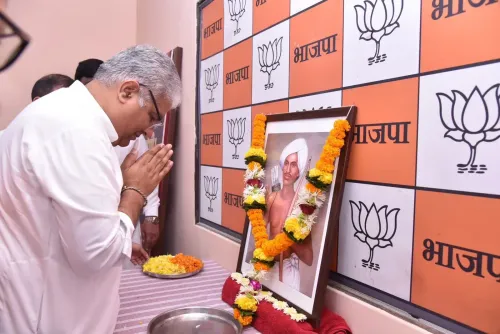
Union Petroleum Minister Hardeep Singh Puri honoured Bhagwan Birsa Munda on his birth anniversary, Janjatiya Gaurav Diwas (15 November), saluting the tribal leader's fearless defiance of British colonial power and his mobilisation of thousands of indigenous people during the Ulgulan movement.
Key Takeaways
Janjatiya Gaurav Diwas falls on 15 November each year, marking the birth anniversary of Bhagwan Birsa Munda .
The national observance was formally instituted by the Government of India in 2021 to recognise tribal contributions to the independence movement.
Birsa Munda, born in 1875 in the Chota Nagpur region, led the Ulgulan ('great tumult') movement against British land dispossession policies.
He died in colonial custody in 1900 , aged 25 , and is revered by tribal communities as Dharti Aaba — Father of the Earth.
His resistance contributed to the enactment of the Chota Nagpur Tenancy Act of 1908 , which protected tribal land rights.
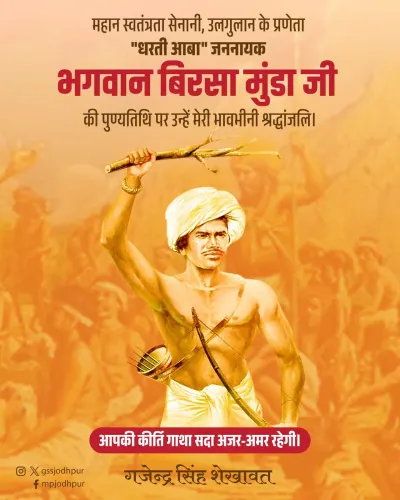
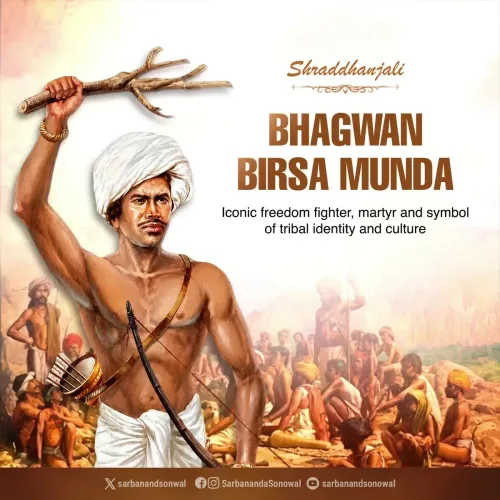
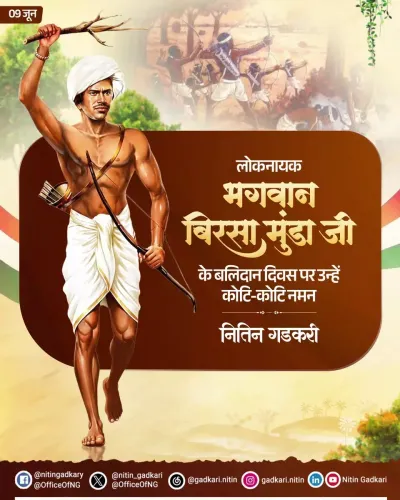
Minister Hardeep Singh Puri paid tribute in both Hindi and English, describing Munda as 'a brave son of soil, religious leader and undaunted nationalist.'
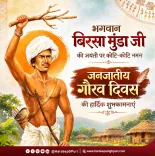
On the birth anniversary of Bhagwan Birsa Munda — the tribal icon who once shook the foundations of the British colonial empire in the Chota Nagpur plateau — Union Petroleum Minister Hardeep Singh Puri joined the nation in paying tribute on Sunday, 15 November 2026, marking Janjatiya Gaurav Diwas.
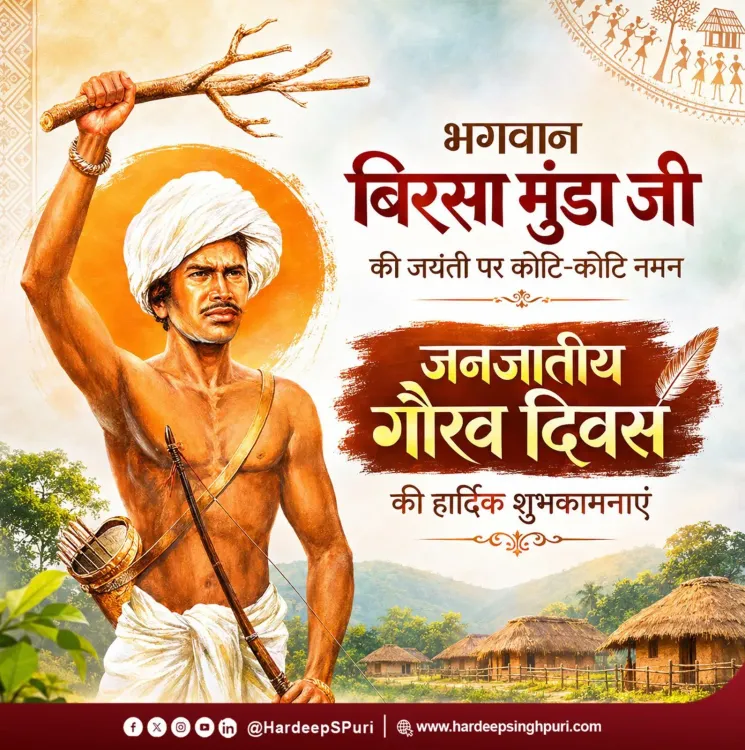
Posting on X in both Hindi and English, Minister Puri described Birsa Munda as 'संगठन और संघर्ष की एक बुलंद आवाज़' — 'a towering voice of organisation and struggle' — and honoured him as a 'brave son of soil, religious leader and undaunted nationalist who courageously took on the might of the colonial empire.' The hashtag #JanjatiyaGauravDiwas anchored the message within the government's formal commemorative framework.
Who was Birsa Munda — and why does the date matter
Bhagwan Birsa Munda, born on 15 November 1875 in the Chota Nagpur region of present-day Jharkhand, led the Ulgulan ('the great tumult') movement — a fierce resistance against British land dispossession policies that had stripped Munda and Oraon communities of ancestral forest rights. He mobilised thousands of tribal people, combining religious reform with armed revolt, before being captured by colonial authorities. He died in custody in 1900, aged just 25. The Munda communities revere him as Dharti Aaba — Father of the Earth.
The Minister's tribute echoed that reverence. 'He faced the British government fearlessly and gathered thousands of tribal people with his powerful voice,' Puri wrote, using the honorific Dharti Aaba — a title that places Birsa Munda not merely in political history but in the spiritual imagination of India's tribal heartland.
How Janjatiya Gaurav Diwas became a national observance
In 2021, the Government of India formally instituted Janjatiya Gaurav Diwas on 15 November each year, designating Birsa Munda's birth anniversary as a national day to recognise Scheduled Tribe communities' contributions to the freedom movement. The move was widely seen as an effort to weave tribal histories more visibly into the mainstream national narrative — a corrective to decades of relative marginalisation in textbooks and state memory.
Senior Union ministers issuing public tributes on this date has since become a consistent feature of the government's commemorative calendar, amplifying the observance beyond state-level events into the national public square.
Birsa Munda's legacy resonates far beyond ceremony. His Ulgulan forced colonial administrators to enact the Chota Nagpur Tenancy Act of 1908, which restricted the transfer of tribal lands — a legal protection that still shapes land-rights debates in Jharkhand today. That a brief life of 25 years could produce statutory change that outlasts empires is precisely why the day carries weight.
Point of View
Upper-caste leadership. Senior ministers amplifying the observance on social media multiplies that signal well beyond official state events. The timing also reflects electoral geography: tribal constituencies across Jharkhand, Chhattisgarh, Odisha, and Madhya Pradesh are strategically significant, and cultural commemoration is a soft but durable form of political outreach. Whether the symbolic investment translates into measurable policy outcomes for tribal communities — on land rights, forest access, or welfare delivery — remains the more consequential question.
NationPress
15 Nov 2026
Frequently Asked Questions
When is Janjatiya Gaurav Diwas celebrated?
Janjatiya Gaurav Diwas is celebrated every year on 15 November , the birth anniversary of tribal freedom fighter Bhagwan Birsa Munda . The Government of India formally instituted the national observance in 2021 .
Who was Bhagwan Birsa Munda?
Bhagwan Birsa Munda was a tribal leader, religious reformer, and freedom fighter born on 15 November 1875 in the Chota Nagpur region. He led the Ulgulan movement against British land policies, mobilising thousands of Munda and Oraon tribal people before dying in colonial custody in 1900 at age 25 .
What is the Ulgulan movement?
The Ulgulan — meaning 'the great tumult' — was an armed and religious uprising led by Birsa Munda in the late 19th century against British land dispossession in the Chota Nagpur region. It pressured colonial authorities and contributed to the enactment of the Chota Nagpur Tenancy Act of 1908 , which restricted transfer of tribal lands.
Why is Birsa Munda called Dharti Aaba?
Dharti Aaba means 'Father of the Earth' in the Munda tradition. Tribal communities across the Chota Nagpur region bestowed this title on Birsa Munda in recognition of his role as both a spiritual reformer and a defender of their ancestral land rights.
What did Hardeep Singh Puri say about Birsa Munda?
Union Petroleum Minister Hardeep Singh Puri described Birsa Munda as 'a brave son of soil, religious leader and undaunted nationalist who courageously took on the might of the colonial empire,' posting tributes in both Hindi and English on Janjatiya Gaurav Diwas, 15 November 2026 .