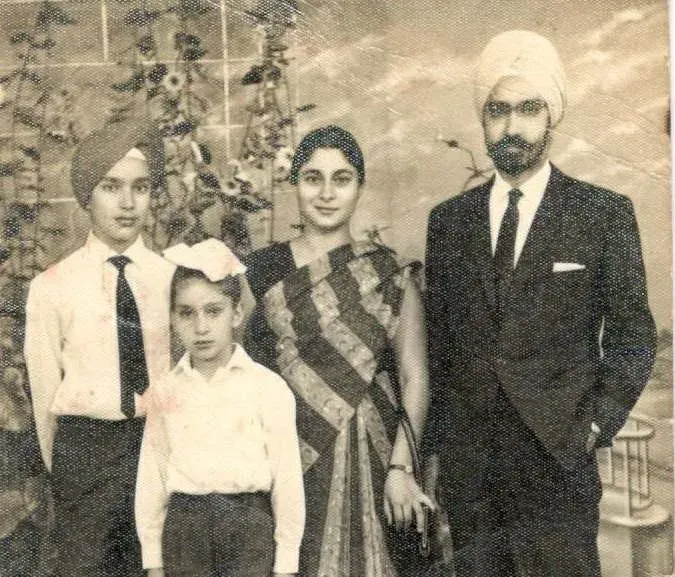
Puri remembers father, a Partition refugee, on Father's Day
Synopsis
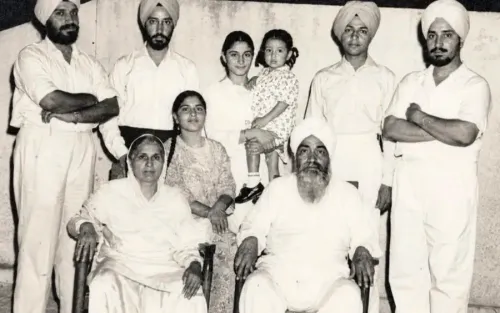
On Father's Day 2026, Union Petroleum Minister Hardeep Singh Puri paid tribute to his father Sardar Bhagat Singh Ji, a 1947 Partition refugee, and his mother Bibi Kundan Kaur Ji, crediting their sacrifice and values as a lifelong source of inspiration.
Key Takeaways
Hardeep Singh Puri posted a Father's Day tribute on June 21, 2026 , honouring his father Sardar Bhagat Singh Ji .
His father was a Partition refugee of 1947 who rebuilt his life under difficult circumstances after displacement.
Both parents, including his mother Bibi Kundan Kaur Ji , sacrificed personal comforts to ensure their sons received a good education.
Puri credits his father's 'strength of character, values, and selfless love' as a constant source of inspiration.
The tribute reflects a broader pattern among Indian leaders from Partition-affected families who cite parental resilience as formative to their public careers.
Union Petroleum Minister Hardeep Singh Puri paid tribute to his late father, Sardar Bhagat Singh Ji, on Father's Day, Sunday, June 21, 2026, recalling his journey as a Partition refugee who rebuilt his life with courage and dignity. The minister also honoured his mother, Bibi Kundan Kaur Ji, crediting both parents for their sacrifices that enabled him and his younger brother to pursue education and a better future.
Context
In his post, Puri described his father as 'a partition refugee who started life afresh under difficult circumstances' and who 'faced every challenge with courage and dignity.' He wrote that his parents 'sacrificed their own comforts' so their children could receive a good education. The minister concluded that his 'father's strength of character, values, and selfless love remain a constant source of inspiration.'
The tribute comes on the occasion of Father's Day 2026, observed annually on the third Sunday of June. Puri, a senior BJP leader and former career diplomat, rarely discusses his personal family history in public forums, making the post a relatively uncommon personal disclosure.
Policy Backdrop
The Partition of India in 1947 displaced millions of people, including large numbers of Sikh families from western Punjab, which became part of Pakistan. Refugees who resettled in India faced the task of rebuilding livelihoods from scratch, often in unfamiliar cities and towns. Many families from this generation placed exceptional emphasis on education as the primary path to social and economic stability.
Puri entered the Indian Foreign Service in the 1970s and rose to serve as India's Permanent Representative to the United Nations before transitioning to electoral politics and joining the Union Cabinet. His trajectory is broadly consistent with the social mobility patterns seen among children of 1947 refugees who entered civil services and later public life.
Stakeholders and Impact
Personal tributes of this nature resonate with a significant segment of the Indian population — particularly communities with direct or familial ties to the Partition, estimated to have displaced between 10 million and 20 million people across the subcontinent. For many such families, narratives of resilience and educational aspiration remain central to their identity across generations.
Indian political leaders from Partition-refugee backgrounds frequently invoke parental sacrifice and the value of education as formative influences on their public careers. Such posts serve both a personal commemorative function and a broader political one — reinforcing narratives of post-independence resilience and self-reliance that are central to the BJP's articulation of nationalist identity.
What's Next
Personal reflections of this kind from senior ministers are typically followed by a return to policy messaging, and Puri is expected to resume communications on the petroleum and natural gas sector in the days ahead. Observers will watch whether the minister draws a public link between his family's emphasis on education and any forthcoming skill-development or social-mobility initiatives within his portfolio. Similar personal tributes from other BJP leaders are expected around national commemorative days in the coming weeks.
Point of View
And its timing on a globally observed day maximises organic reach. The invocation of a Partition-refugee father fits squarely within the BJP's long-running political narrative of post-1947 resilience and nation-building through individual sacrifice. For a senior leader eyeing continued relevance in a competitive cabinet, humanising one's profile through family history is a well-understood political tool. The post also implicitly reinforces the party's outreach to Sikh communities, a constituency that has been a focus of political calibration since the farm-law controversy of 2020-21.
NationPress
19 Sept 2026
Frequently Asked Questions
Who is Hardeep Singh Puri's father?
Hardeep Singh Puri's father was Sardar Bhagat Singh Ji, a refugee who was displaced during the Partition of India in 1947 and rebuilt his life under difficult circumstances. The minister has described him as a figure of courage, dignity, and strong values.
What did Hardeep Singh Puri post on Father's Day 2026?
On Father's Day, June 21, 2026, Hardeep Singh Puri posted a tribute on X recalling his father Sardar Bhagat Singh Ji as a Partition refugee who faced every challenge with courage, and also honoured his mother Bibi Kundan Kaur Ji for the sacrifices both parents made for their children's education.
Was Hardeep Singh Puri's family affected by the Partition of India?
Yes. Puri has stated that his father was a Partition refugee who started life afresh under difficult circumstances after the 1947 division of India and Pakistan, which displaced millions of people, particularly from Punjab.
Who is Hardeep Singh Puri?
Hardeep Singh Puri is India's Union Minister of Petroleum and Natural Gas, a senior BJP leader, and a former career diplomat who served as India's Permanent Representative to the United Nations. He entered the Indian Foreign Service in the 1970s before moving into electoral politics.
Why do Indian politicians share personal tributes on Father's Day?
Senior Indian political figures frequently use occasions like Father's Day to humanise their public profiles and connect with voters on a personal level. For leaders from Partition-refugee backgrounds, such tributes also reinforce broader narratives of resilience and social mobility that resonate with large segments of the population.