Puri Reviews India Energy Week 2027 Prep, Eyes Global Agenda
Synopsis
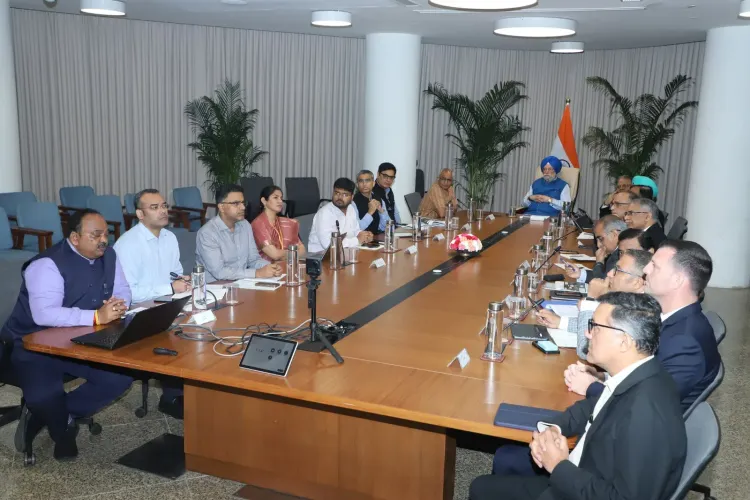
Union Petroleum Minister Hardeep Singh Puri reviewed preparations for India Energy Week 2027 on August 7, 2026, calling it a platform where India sets — not just joins — the global energy agenda, with global CEOs, investors, and policymakers set to converge.
Key Takeaways
Union Petroleum Minister Hardeep Singh Puri reviewed India Energy Week 2027 preparations on August 7, 2026 .
India Energy Week was launched in 2023 and has grown into one of the world's most prominent annual energy gatherings.
The 2027 edition is expected to be the largest yet, targeting global CEOs, policymakers, investors, and innovators.
India's energy strategy runs on two parallel tracks: clean energy transition (including a net-zero by 2070 commitment) and energy self-reliance under Atmanirbhar Bharat .
Specific venue, dates, and thematic focus for IEW 2027 are yet to be formally announced.
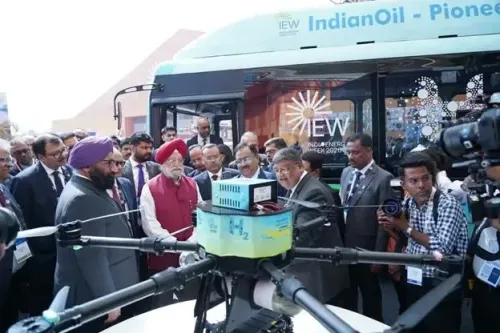
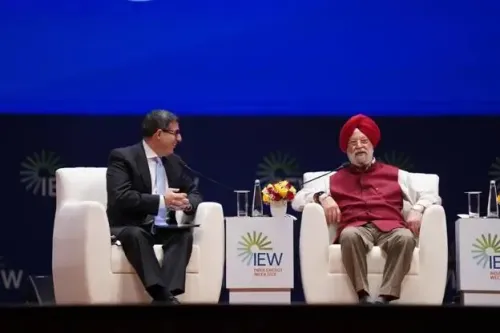
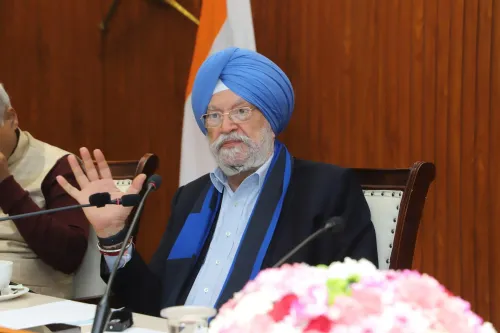
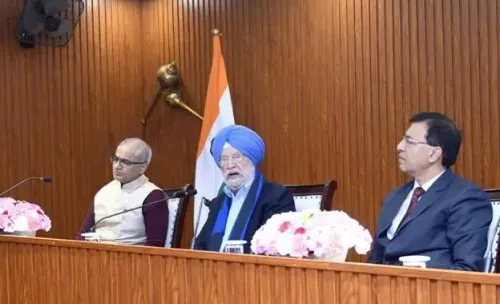
India is not waiting for the world to set the energy agenda — it is writing it. Union Petroleum Minister Hardeep Singh Puri on Friday, August 7, 2026, announced he had reviewed preparations for India Energy Week 2027, signalling that the flagship annual conference is being scaled up to draw an even larger convergence of global CEOs, policymakers, investors, and innovators to India.
From a 2023 launch to a global centrepiece
India Energy Week was launched in 2023 as a platform to attract international investment and showcase India's energy ambitions. In just a few editions, it has grown into one of the most prominent annual energy gatherings anywhere in the world, bringing together the full spectrum of the global energy industry — from legacy oil majors to clean-tech innovators. Puri credited the event's rise to the leadership of Prime Minister Narendra Modi, under whose tenure India has aggressively positioned itself as both a massive energy consumer and an indispensable voice in shaping global energy policy.
Clean transition meets self-reliance — India's twin-track bet
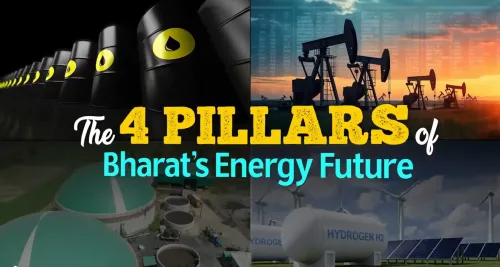
The minister's post framed the 2027 edition around two pillars that define India's current energy posture: the clean energy transition and energy self-reliance. These are not competing goals in New Delhi's calculus — they are parallel tracks. India committed to a net-zero emissions target by 2070 at COP26 and has simultaneously pushed the Atmanirbhar Bharat initiative since 2020 to reduce dependence on energy imports. IEW 2027 is expected to reflect that dual ambition, with anticipated focus areas including green hydrogen, biofuels, and upstream domestic production reforms — though specific themes and dates are yet to be formally announced.
Why the world is watching New Delhi's energy playbook
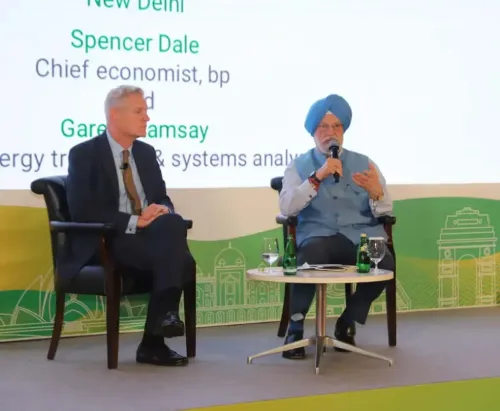
India's strategy of hosting high-profile energy summits is deliberate statecraft. As global oil markets remain volatile and the energy transition accelerates unevenly across economies, India — the world's third-largest energy consumer — holds rare leverage: it is a major market, a growing renewable-energy powerhouse, and a swing voice in multilateral climate negotiations. Puri's message was pointed: India is not merely 'joining the global energy conversation' — it is, in his words, 'setting its agenda.' Whether IEW 2027 delivers on that ambition will depend on the policy signals and investment commitments it generates.
The full details of venue, dates, and thematic focus for India Energy Week 2027 are still to come — and when they do, the energy world will be paying close attention.
Point of View
Not merely a participant. This fits a broader BJP-era pattern of deploying marquee summits (G20, Vibrant Gujarat, IEW) as instruments of economic diplomacy and investor optics. The twin-track framing of clean transition plus self-reliance also allows New Delhi to speak simultaneously to Western climate-focused capitals and domestic energy-security constituencies. The real test of IEW 2027 will be whether it produces binding investment commitments or remains a high-profile conversation piece.
NationPress
7 Aug 2026
Frequently Asked Questions
What is India Energy Week 2027?
India Energy Week 2027 is the upcoming edition of India's flagship annual energy conference, launched in 2023, which brings together global CEOs, policymakers, investors, and innovators to discuss energy transition and investment in India's energy sector.
What did Hardeep Singh Puri say about India Energy Week 2027?
On August 7, 2026, Union Petroleum Minister Hardeep Singh Puri said he had reviewed preparations for IEW 2027 and that the event would be bigger than previous editions, with India aiming to set — not just participate in — the global energy agenda.
When and where is India Energy Week 2027?
The specific dates and venue for India Energy Week 2027 have not yet been formally announced. An official announcement is expected in the coming months.
What is India's energy self-reliance policy?
India's energy self-reliance drive is part of the broader Atmanirbhar Bharat initiative announced in 2020, which includes measures to reduce dependence on energy imports through domestic production, renewables growth, and development of green hydrogen and biofuels.
What is India's net-zero target?
India committed to achieving net-zero carbon emissions by 2070, announced at the COP26 climate summit in 2021, alongside interim targets for expanding renewable energy capacity.