Raghav Chadha Speaks on Leadership at IIM Ahmedabad Summit
Synopsis
AAP Rajya Sabha MP Raghav Chadha addressed IIM Ahmedabad's Red Brick Summit 2026 on 14 October, speaking on leadership, governance and India's future, and praised the institution's students for their sharp, curious engagement.
Key Takeaways
AAP Rajya Sabha MP Raghav Chadha spoke at The Red Brick Summit 2026 at IIM Ahmedabad on 14 October 2026 .
The session covered themes of leadership, governance, and India's next chapter .
Chadha praised students for their 'sharp questions and different perspectives.' The visit included informal campus engagement — creative stalls and games — beyond the formal address.
IIM Ahmedabad , founded in 1961 , is among India's premier management institutions and a regular venue for politician-student dialogue.
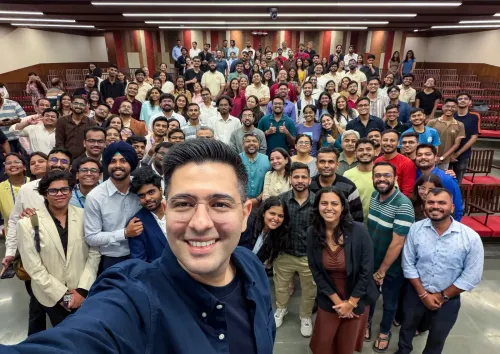
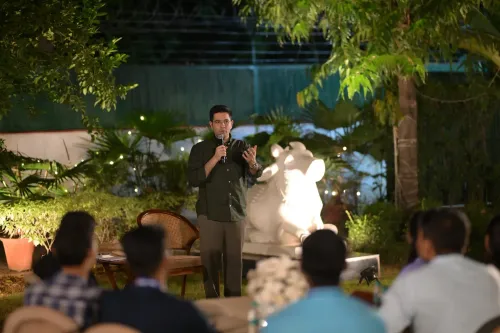
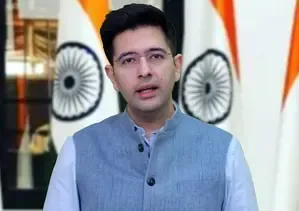
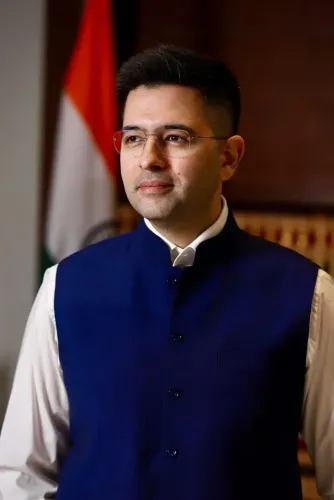
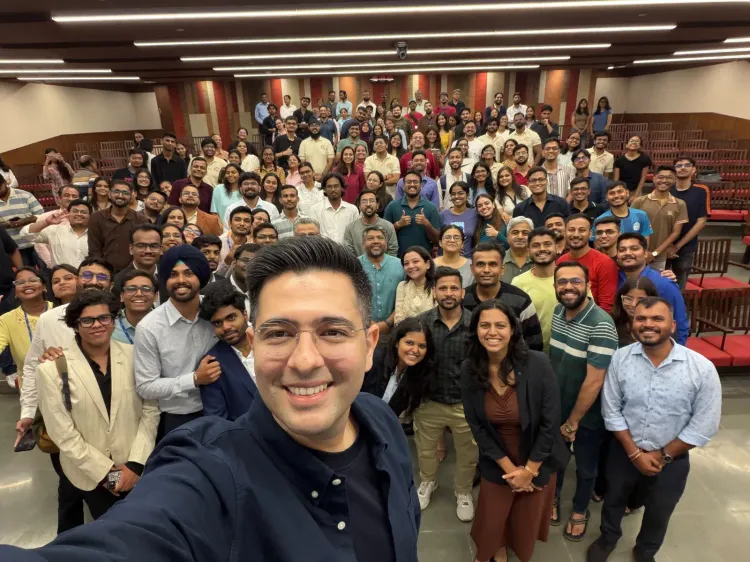
Sharp questions, stall-hopping, and a conversation about India's future — AAP Rajya Sabha MP Raghav Chadha wrapped up a campus visit to IIM Ahmedabad on Wednesday, 14 October 2026, calling his time at the institution's flagship student summit one he thoroughly enjoyed.
Chadha was a speaker at 'The Red Brick Summit 2026', the annual student-organised conclave at one of India's most prestigious management schools. He addressed themes of leadership, governance, and what he called 'India's next chapter' — a framing that put national direction at the centre of a room full of future business leaders.
What Chadha Said on Campus
In his post, the MP described the session as 'a pleasure,' singling out the quality of student engagement. 'I really enjoyed the sharp questions and different perspectives,' he wrote, adding that the interaction extended well beyond the formal address — from browsing creative stalls to trying his hand at campus games. He signed off by calling the students 'a talented, curious and confident bunch of young minds.'
The Red Brick Summit and IIM Ahmedabad's Role
IIM Ahmedabad, established in 1961, remains India's most storied management institution and a consistent draw for politicians, policymakers, and industry leaders seeking to engage with the country's next generation of decision-makers. The Red Brick Summit is a student-run annual event that brings together voices from business, policy, and public life to debate leadership and national development.
Indian politicians across the spectrum regularly accept invitations to speak at IIM summits — the format offers something the parliamentary floor rarely does: unscripted, face-to-face dialogue with young professionals who will shape India's boardrooms and policy rooms within the decade.
Chadha's Role in AAP's Public Communication
As AAP's Rajya Sabha MP from Punjab and a key party spokesperson, Chadha has become one of the party's most visible public communicators. Campus appearances fit a broader pattern of positioning himself as a voice for governance reform and youth-facing policy — audiences that AAP has consistently courted since its founding.
Whether the themes aired at Ahmedabad find their way back to the floor of the Upper House remains to be watched — but if the questions were as sharp as Chadha suggests, the conversation likely covered ground well beyond pleasantries.
Point of View
Young-skewing leadership voices in front of elite student audiences to build credibility beyond the party's urban strongholds. For a party still rebuilding after Punjab setbacks, these campus moments double as soft outreach to the professional class AAP needs to court. The leadership-and-governance framing also lets Chadha field policy questions in a low-risk, high-visibility setting. Whether such engagements translate into tangible policy influence or remain largely optics depends on whether any campus ideas surface in parliamentary business.
NationPress
14 Oct 2026
Frequently Asked Questions
What is The Red Brick Summit at IIM Ahmedabad?
The Red Brick Summit is the annual student-organised flagship conclave at IIM Ahmedabad, featuring sessions on leadership, management and policy with prominent guest speakers from business and public life.
Why did Raghav Chadha visit IIM Ahmedabad in 2026?
Raghav Chadha was invited as a speaker at The Red Brick Summit 2026, where he addressed themes of leadership, governance and India's future direction.
Who is Raghav Chadha?
Raghav Chadha is the Aam Aadmi Party's Rajya Sabha MP from Punjab and a key party spokesperson, known for his public communications role within the party.
When was IIM Ahmedabad established?
IIM Ahmedabad was established in 1961 and is widely regarded as India's premier management institution.
Do Indian politicians regularly speak at IIM summits?
Yes, politicians across parties regularly accept invitations to IIM student summits, using the format to engage with future business and policy leaders on themes of governance and national development.