NCW chief Vijaya Rahatkar leads Shakti Samwad in Bihar's Rajgir
Synopsis
No police station can turn a woman away over jurisdiction, NCW chief Vijaya Rahatkar reminded the country as she led the fifth Shakti Samwad in Rajgir. The forum brought state women's commissions together while the NCW pushed awareness of Zero FIR rights and the overlooked struggles of single women.
Key Takeaways
NCW Chairperson Vijaya Rahatkar led the fifth edition of Shakti Samwad at Rajgir, Bihar .
Chairpersons, members and member secretaries of state women's commissions from across India attended.
Rahatkar said women can file a Zero FIR at any police station, regardless of where the crime occurred.
She listed helplines 112 (police), 181 (women's helpline) and 14490 (NCW).
The NCW also held a national consultation on ‘Rights and Challenges of Single Women in India’ .
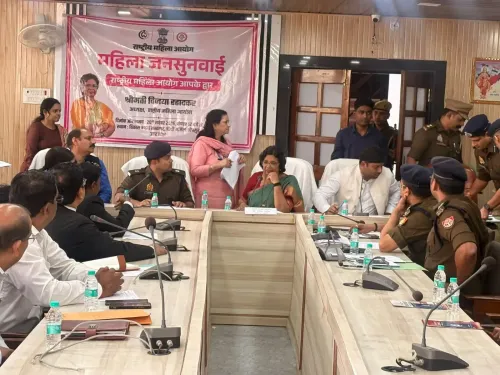
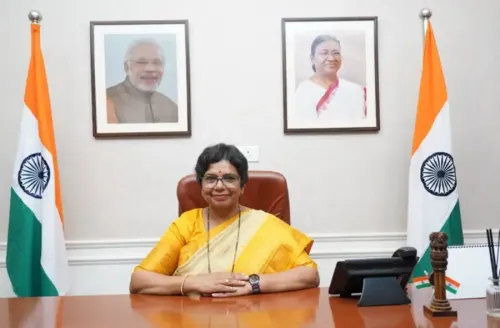
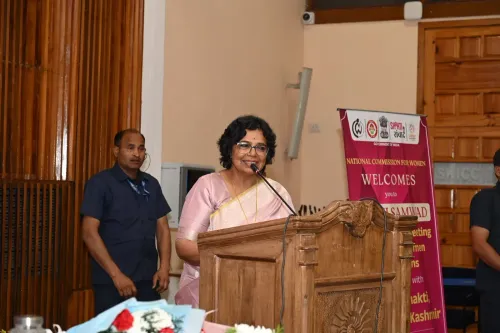
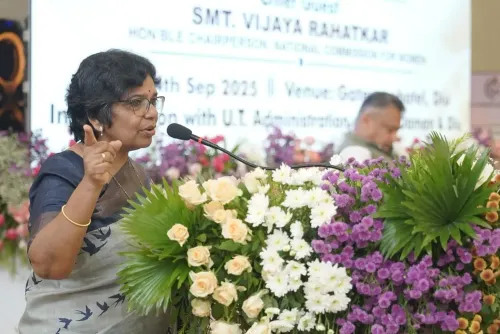
National Commission for Women (NCW) Chairperson Vijaya Rahatkar led discussions on women's empowerment at the fifth edition of ‘Shakti Samwad’ in Rajgir, Bihar, bringing together heads and members of state women's commissions from across India, an official said on Saturday. The national forum aims to improve coordination among women's commissions. Rahatkar also used the occasion to remind women of their legal right to file a Zero FIR at any police station in the country.
State Commissions Meet at Rajgir
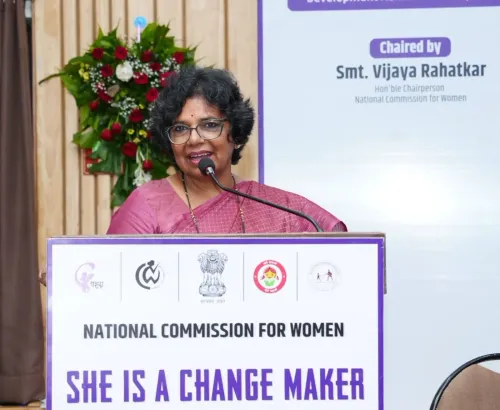
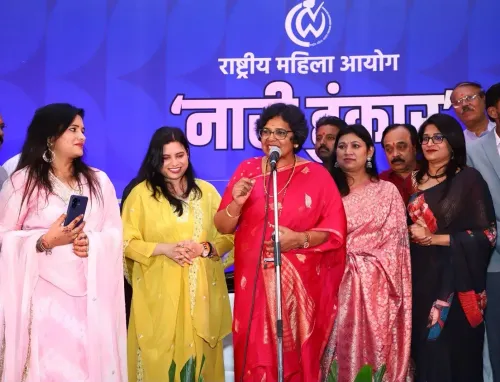
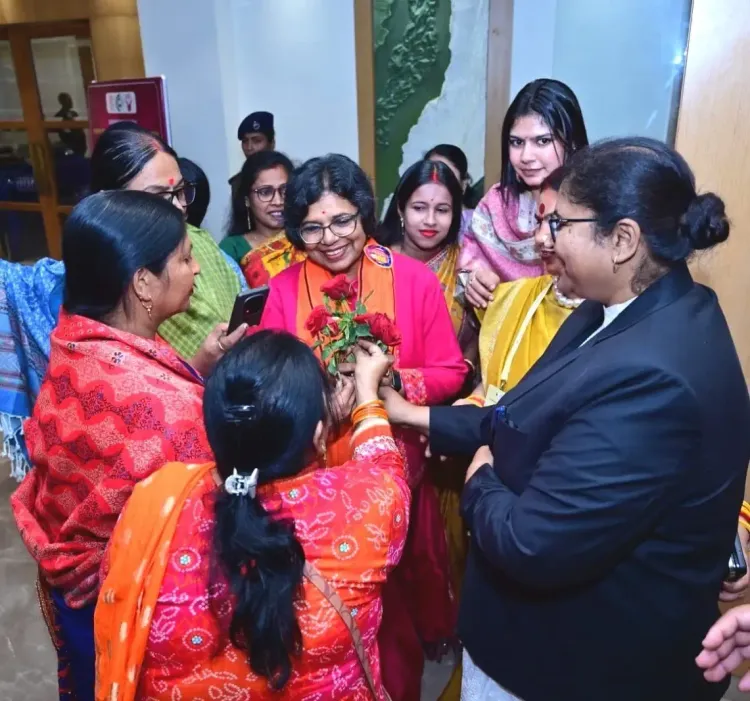
The Shakti Samwad, organised by the NCW, gathered chairpersons, members and member secretaries of state women's commissions on a single platform. Rahatkar shared photographs from the opening day on social media platform X.
“Some glimpses of the first day of the fifth edition of ‘Shakti Samwad’, organised by the National Commission for Women. At this national event, chairpersons, members, and member secretaries of state women's commissions from across the country came together on a common platform,” she wrote.
“By bringing all state women's commissions together, this is an important initiative by the National Commission for Women to promote meaningful dialogue, better coordination, and institutional cooperation among them,” Rahatkar added.
The choice of venue is notable. Rajgir, in Bihar's Nalanda district, is a historic centre with links to ancient Indian learning. Hosting a national women's rights forum there signals an effort to take such discussions beyond Delhi.
Zero FIR: A Right Many Women Do Not Know
Ahead of the event, Rahatkar urged women to come forward and report crimes. She stressed that a Zero FIR lets a complainant lodge a police complaint at any station in India, no matter where the offence took place.
“No police station can turn you away by saying that the incident occurred outside its jurisdiction. That is precisely what the Zero FIR provision is for,” the NCW chief said in a post on X.
“You can file a complaint at any police station. The station must first register it, then forward it to the relevant police station and give you a free copy of the FIR,” she added.
The NCW chief also explained what women can do if police refuse to act. “For crimes against women, such as rape, sexual harassment and stalking, the complaint is recorded by a female officer. If the police station still refuses to register the complaint, you can send a written complaint to the Superintendent of Police (SP) and then approach a Magistrate,” Rahatkar said.
She asked women to keep key helpline numbers handy: 112 for police, 181 for the women's helpline and 14490 for the NCW. She also urged them to share this information within their communities.
The Zero FIR concept gained momentum after the 2012 Delhi gang rape case. It now has statutory backing under India's new criminal laws. Even so, advocates have long said that police often turn complainants away on jurisdictional grounds, which explains why the commission keeps repeating the message.
Focus on Single Women's Rights
Earlier, the Commission held a national consultation titled ‘Rights and Challenges of Single Women in India’. It examined the legal, social and economic hurdles single women face. It also looked at ways to strengthen their rights, social security, economic opportunities and institutional support.
“In my address, I emphasised that single women are not a homogeneous group. Their circumstances, needs and challenges differ. Social prejudice, a lack of awareness and administrative barriers often deprive them of their rights and the benefits of government schemes,” Rahatkar said on X.
What Lies Ahead
Taken together, the Rajgir forum, the Zero FIR push and the single-women consultation show the NCW combining legal-awareness campaigns with institutional coordination. The bigger test is whether better cooperation among state commissions leads to faster complaint registration and wider access to welfare schemes at the grassroots level.
Point of View
Yet the NCW chief still has to remind women that police cannot turn them away. That gap is the real story, and it reflects a failure of enforcement, not of legislation. Forums like Shakti Samwad are valuable only if state commissions return home with measurable targets, such as tracking refused FIRs and SP-level escalations. Her point that single women are not a homogeneous group is overdue, and welfare schemes built on one-size-fits-all eligibility rules should take note.
NationPress
28 Nov 2026
Frequently Asked Questions
What is Shakti Samwad?
Shakti Samwad is a national event organised by the National Commission for Women that brings together chairpersons, members and member secretaries of state women's commissions. Its fifth edition was held at Rajgir in Bihar to promote dialogue, coordination and institutional cooperation.
What can a woman do if police refuse to register her complaint?
According to NCW Chairperson Vijaya Rahatkar, she can send a written complaint to the Superintendent of Police and then approach a Magistrate. For crimes such as rape, sexual harassment and stalking, the complaint is recorded by a female officer.
What are the helpline numbers for women in India?
Women can dial 112 for police, 181 for the women's helpline and 14490 for the National Commission for Women. The NCW chief urged women to keep these numbers handy and share them in their communities.
What did the NCW discuss on single women's rights?
The NCW held a national consultation on the legal, social and economic challenges faced by single women. Rahatkar stressed that single women are not a homogeneous group and that prejudice, lack of awareness and administrative barriers often deny them their rights and scheme benefits.