Rahul Gandhi calls Indian democracy 'sick' at US university; BJP hits back
Synopsis
Rahul Gandhi's remark that Indian democracy is 'sick' — made at an American university — has handed the BJP its sharpest political ammunition in weeks. With the Congress leader also calling India an 'economic disaster' at Columbia University the same day, the BJP is now casting his overseas tour as a sustained campaign of 'anti-India propaganda,' setting up a bruising parliamentary and public-opinion battle on his return.
Key Takeaways
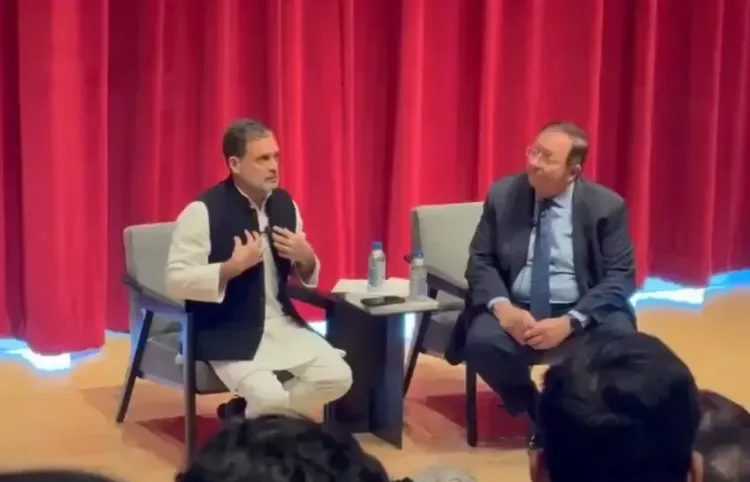
Rahul Gandhi described Indian democracy as 'sick' during an event at the University of Chicago on Wednesday, 19 November 2025 .
Gandhi said making such an allegation required '100, 200, 300 per cent proof' but raised questions about the fate of Opposition workers.
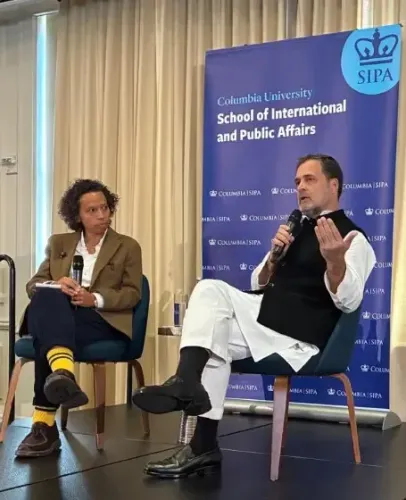
A day earlier, Gandhi had called India an 'economic disaster' and cited 'massive' unemployment at Columbia University .
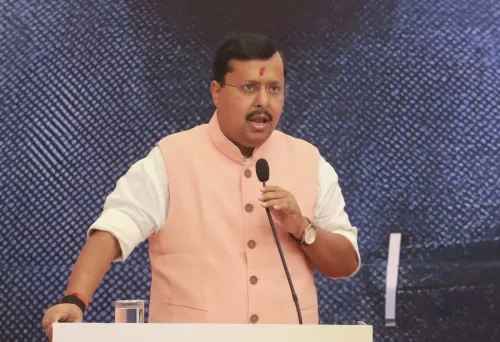
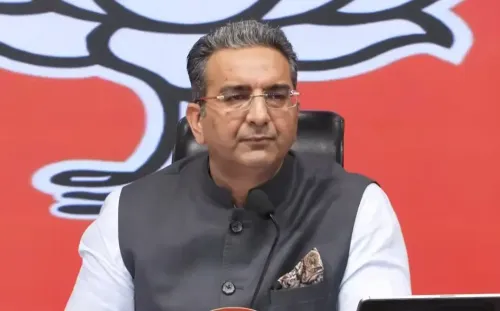
BJP national spokesperson Pradeep Bhandari accused Gandhi of being 'Leader of Anti India Propaganda' in posts on X .
The BJP alleged Gandhi places family interests above democratic values and repeatedly speaks against India while abroad.
The Indian National Congress (INC) had not issued a formal counter-statement as of Thursday.
Rahul Gandhi, the Lok Sabha Leader of Opposition, described Indian democracy as 'sick' during an event at the University of Chicago on Wednesday, 19 November 2025, triggering a sharp counter-offensive from the Bharatiya Janata Party (BJP), which accused the Congress leader of working against India's democratic fabric.
What Rahul Gandhi Said
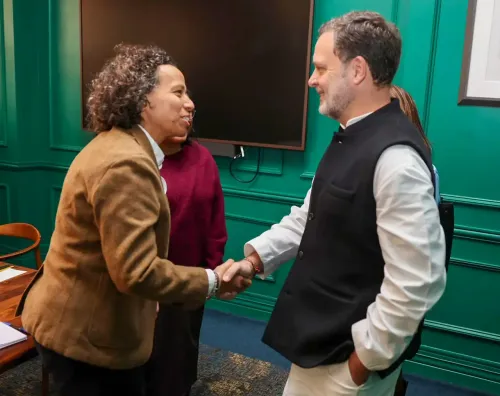
During the interaction at the University of Chicago, Gandhi raised questions about the health of Indian democracy, while acknowledging the gravity of such a claim. 'Indian democracy is sick. For me to even say that there is a problem in Indian democracy is difficult without 100, 200, 300 per cent proof. But what happens to all the Opposition workers...?' Gandhi said, as captured in a video of the event that circulated widely.
The remarks came a day after Gandhi had also criticised India's economy at Columbia University, describing the country as sitting on an 'economic disaster' and alleging it was grappling with 'massive' unemployment and serious problems in its education system — comments that had already drawn BJP fire on Wednesday.
BJP's Sharp Response
BJP national spokesperson Pradeep Bhandari led the party's counterattack, posting on X that 'CONGRESS CALLS INDIAN DEMOCRACY 'SICK'.' He further alleged that Gandhi prioritised family interests over democratic values, writing: 'Rahul Gandhi has yet again proven he loves Parivar, and hates Democracy!'
Bhandari went further, accusing Gandhi of repeatedly making statements that reflected hostility toward the Indian state, its citizens, and its democratic institutions. 'Every time Rahul proves he is against the Indian state, the people of India and India's Democratic Fabric!' he said. He concluded by labelling Gandhi the 'Leader of Anti India Propaganda.'
Responding to the Columbia University remarks separately, Bhandari had written: 'Rahul Gandhi has become the leader of anti-India propaganda. His inherent hate for India's progress and Indian democracy makes him speak ill about India every time he goes abroad!' He also noted that Gandhi called India an 'economic disaster' even as there was 'global consensus on India being the fastest growing economy and world respecting Indian democracy.'
Pattern of Overseas Remarks and Political Fallout
This is not the first time Gandhi's statements on foreign soil have ignited a political storm at home. The BJP has in previous instances accused the Congress leader of undermining India's international image by airing domestic political grievances on global platforms. Critics argue that such remarks — whether on democracy, the economy, or institutional health — give the ruling party a ready political cudgel.
Notably, Gandhi's defenders contend that raising concerns about democratic backsliding is a legitimate exercise of his role as the principal opposition leader, and that the BJP's reaction is designed to deflect from substantive questions about institutional independence and unemployment. This context is important: both the democracy and economy narratives have been central to Congress's political positioning ahead of state elections.
What to Watch Next
Gandhi is expected to continue his engagements in the United States, and further remarks on Indian governance could deepen the standoff. The Indian National Congress (INC) has not issued a formal statement in response to the BJP's attack as of Thursday. How the party frames Gandhi's comments domestically — and whether it defends or distances itself from the 'sick democracy' phrase — will be closely watched in the coming days.
Point of View
But the BJP has successfully collapsed that argument into a patriotism debate — which is a far easier terrain for the ruling party to fight on. The Congress has yet to decide whether to own the phrase or contextualise it, and that indecision is itself a vulnerability. More telling is the pattern: every Gandhi overseas appearance now generates a domestic BJP news cycle, suggesting either a strategic miscalculation by the Congress communication team, or a deliberate attempt to build an international audience for an opposition narrative that cannot get traction in a tightly managed domestic media environment. Either way, the 'foreign soil' framing gives the BJP a durable wedge that transcends any single remark.
NationPress
19 Nov 2026
Frequently Asked Questions
What did Rahul Gandhi say about Indian democracy at the University of Chicago?
Rahul Gandhi said 'Indian democracy is sick' during an event at the University of Chicago on Wednesday. He acknowledged the gravity of the claim, saying he would need '100, 200, 300 per cent proof' to make such an allegation, before raising questions about what happens to Opposition workers in India.
How did the BJP respond to Rahul Gandhi's remarks?
BJP national spokesperson Pradeep Bhandari posted on X calling Gandhi the 'Leader of Anti India Propaganda' and accusing him of placing family interests above democratic values. He alleged Gandhi repeatedly makes statements against the Indian state, its people, and its democratic institutions whenever he travels abroad.
What else did Rahul Gandhi say during his US visit?
A day before the University of Chicago event, Gandhi described India as an 'economic disaster' at Columbia University, alleging the country faces 'massive' unemployment and serious problems in its education system. The BJP also condemned those remarks.
Has the Congress responded to the BJP's attack?
The Indian National Congress had not issued a formal statement in response to the BJP's attack as of Thursday. How the party frames Gandhi's comments domestically will be closely watched in the coming days.
Is this the first time Rahul Gandhi's overseas remarks have triggered a political row?
No. The BJP has repeatedly accused Gandhi of making statements against India while abroad, and his foreign-soil remarks have triggered similar political confrontations on previous occasions. The BJP has consistently used such instances to question his commitment to India's international image.