Rahul Gandhi calls India an 'economic disaster' at Columbia; BJP hits back
Synopsis
Speaking at Columbia University during a US visit, Rahul Gandhi called India an ‘economic disaster’ and alleged 140 million voters were purged from electoral rolls — remarks that drew an immediate BJP broadside labelling him the ‘leader of anti-India propaganda.’ The episode reprises a recurring and politically charged cycle of Gandhi’s overseas statements triggering domestic firestorms.
Key Takeaways
Rahul Gandhi called India an ‘economic disaster’ at Columbia University during a two-day US visit on Tuesday, 18 November 2026 .
Gandhi alleged India faces ‘massive’ unemployment and deep failings in its education system, with frustration spreading to middle-class, educated youth.
He claimed 140 million people were removed from electoral rolls ahead of the 2024 elections and alleged electoral fraud, targeting the Election Commission of India .
Gandhi warned the government could ‘resort to violence’ if public discontent crossed a threshold, citing sources ‘within the system’ speaking out of fear.
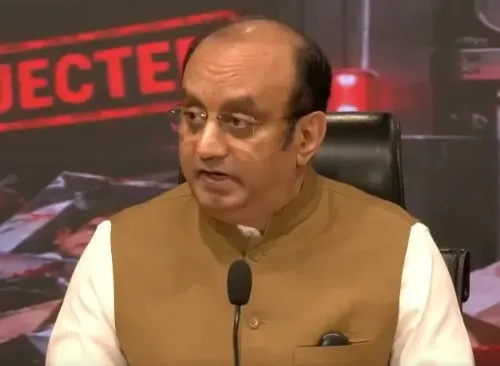
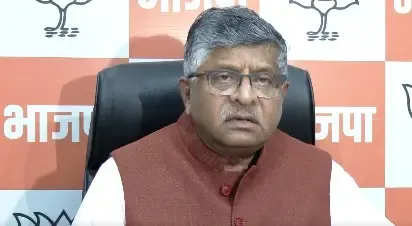
BJP spokesperson Pradeep Bhandari called Gandhi the ‘leader of anti-India propaganda’ and said the remarks contradicted global recognition of India as the fastest-growing economy.
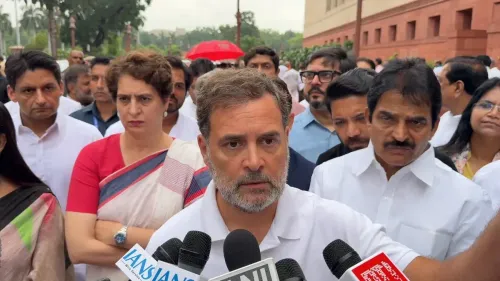
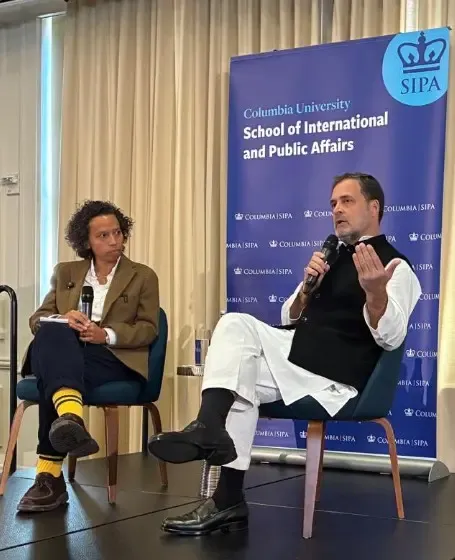
Leader of Opposition in the Lok Sabha Rahul Gandhi on Tuesday described India as sitting on an “economic disaster” during an interaction at Columbia University in the United States, alleging the country faces “massive” unemployment and deep structural problems in its education system. The remarks, made during a two-day US visit, drew an immediate and sharp rebuttal from the Bharatiya Janata Party (BJP), which accused Gandhi of running “anti-India propaganda” on foreign soil.
What Gandhi Said at Columbia
Responding to a question about India’s youth from moderator Lydia Polgreen, Gandhi did not mince words. “The blunt thing is that India is sitting on an economic disaster. That’s the reality. One can brush it aside, the media can brush it aside, but India’s got a massive unemployment problem. India’s got a massive problem with its education system,” he said.
Gandhi argued that the core of youth discontent was an inability to envision a secure future, adding that frustration was no longer confined to marginalised groups — it had spread to middle-class, formally educated young people as well. He maintained that this demographic shift in disillusionment signalled a broader structural failure rather than a cyclical dip.
Electoral Roll Allegations and ECI Criticism
Gandhi also renewed his “vote chori” (vote theft) allegations during the same interaction, levelling a direct charge at the Election Commission of India (ECI). “140 million people who would have voted in 2024 have been removed from the electoral roll. We ask the Election Commission: how can an election be considered valid under these circumstances? Yet, they remain silent on this. Nothing will happen without reforming the electoral system. We are working on it. We have ample evidence of electoral fraud,” he said.
The claim regarding the removal of 140 million voters from electoral rolls is a contested figure; Gandhi did not present supporting documentation during the interaction. The Election Commission has previously denied systematic deletions.
Concerns Over Government Response to Dissent
In remarks that are likely to intensify the political row, Gandhi also alleged that people “within the system” were approaching the Opposition out of fear, and warned that the government might resort to violence if public pressure crossed a threshold. “People within the system are speaking to us out of fear. I fear that if pressure builds beyond a certain point, the government may resort to violence in response. There was an atmosphere of fear earlier, but now people have stopped being afraid. The student movement has played a major role in this,” he said.
These remarks go significantly beyond Gandhi’s earlier overseas statements and represent an escalation in the Congress’s opposition rhetoric. Notably, Gandhi has made critical remarks about India’s democratic and economic health on previous foreign visits as well — each time triggering a similar pattern of BJP pushback and domestic political controversy.
BJP’s Counter-Attack
BJP spokesperson Pradeep Bhandari, posting on X, said: “Rahul Gandhi has become the leader of anti-India propaganda. His inherent hate for India’s progress and Indian democracy makes him speak ill about India every time he goes abroad!” Bhandari added: “Rahul calls India ‘economic disaster’ even when there is global consensus on India being fastest growing economy and world respecting Indian democracy!”
The BJP has repeatedly argued that Gandhi’s overseas remarks undermine India’s international standing, particularly at a time when the country is positioning itself as a leading global economy. The party is expected to raise the issue in Parliament when the winter session convenes.
Context and What Comes Next
This is not the first time Gandhi has drawn fire for remarks made abroad. Similar controversy followed his interactions in the United Kingdom in 2023, when he raised concerns about Indian democracy at the Cambridge Union. Critics from the BJP drew identical parallels at that time. For the Congress, however, the foreign platform serves a strategic purpose — amplifying narratives that the party argues are suppressed in India’s domestic media landscape.
With assembly elections in several states on the horizon and the Congress seeking to consolidate its Opposition alliance ahead of the next electoral cycle, Gandhi’s remarks are likely to sharpen the political battle lines in the weeks ahead.
Point of View
Then absorb the BJP’s ‘anti-national’ counter-attack as proof of the suppression. The strategic logic is clear, but the risks are real — each overseas intervention raises the threshold of what counts as acceptable Opposition speech and gifts the BJP a ready-made nationalism frame ahead of every election cycle. The ‘140 million voters removed’ claim is the most consequential and verifiable assertion Gandhi made; it deserves forensic scrutiny, not just political point-scoring from either side. If true, it is a constitutional crisis. If unsubstantiated, it damages the broader credibility of legitimate electoral reform demands.
NationPress
18 Nov 2026
Frequently Asked Questions
What did Rahul Gandhi say about India’s economy at Columbia University?
Gandhi said India is ‘sitting on an economic disaster,’ citing massive unemployment and serious failings in the education system. He made the remarks at Columbia University in the United States on Tuesday during a two-day visit, in response to a question about India’s youth.
What are Gandhi’s allegations about the 2024 Indian elections?
Gandhi alleged that 140 million people who would have voted in the 2024 general elections were removed from the electoral roll and that there is ample evidence of electoral fraud. He questioned how the election could be considered valid and criticised the Election Commission of India for remaining silent on the matter. The ECI has previously denied systematic voter deletions.
How did the BJP respond to Rahul Gandhi’s remarks?
BJP spokesperson Pradeep Bhandari called Gandhi the ‘leader of anti-India propaganda’ and said his remarks contradicted global recognition of India as the world’s fastest-growing economy. The BJP accused Gandhi of speaking ill of India every time he travels abroad and of denigrating the country’s democratic institutions on foreign soil.
Is this the first time Rahul Gandhi has made such remarks overseas?
No. Gandhi attracted similar controversy in 2023 after remarks about Indian democracy at the Cambridge Union in the United Kingdom. The BJP drew identical parallels at the time. Each overseas statement has triggered a comparable cycle of political controversy in India.
What did Gandhi say about the possibility of government violence against dissent?
Gandhi claimed that people within the government system were approaching the Opposition out of fear, and warned that if public pressure built beyond a certain point, the government might resort to violence. He attributed a shift in public courage partly to the student movement, saying people had ‘stopped being afraid.’