Rahul Gandhi: Modi, Shah lack courage to answer on student violence
Synopsis
Congress leader Rahul Gandhi on 10 August 2026 publicly challenged PM Narendra Modi and Home Minister Amit Shah to come to Parliament and answer for alleged violence against students, calling their silence a deliberate message to India's youth that their suffering does not merit even a comment.
Key Takeaways
Rahul Gandhi on 10 August 2026 accused PM Narendra Modi and Home Minister Amit Shah of lacking the courage to face Parliament on alleged student violence.
Gandhi framed executive silence as a signal to students that their suffering is not worth a government comment.
The demand for a parliamentary statement — not a press briefing — carries constitutional weight as it would require a debatable, on-record response.
Opposition demands for ministerial statements on campus violence follow a pattern established during the 2019-2020 Citizenship Amendment Act protests.
The Home Ministry had not issued any public clarification on the specific incident referenced at the time of posting.
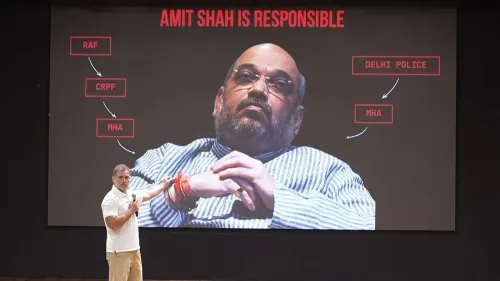
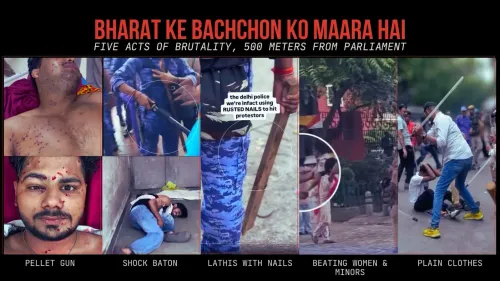
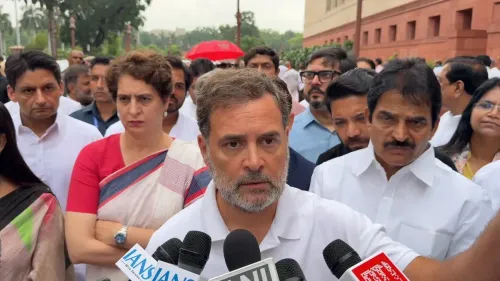
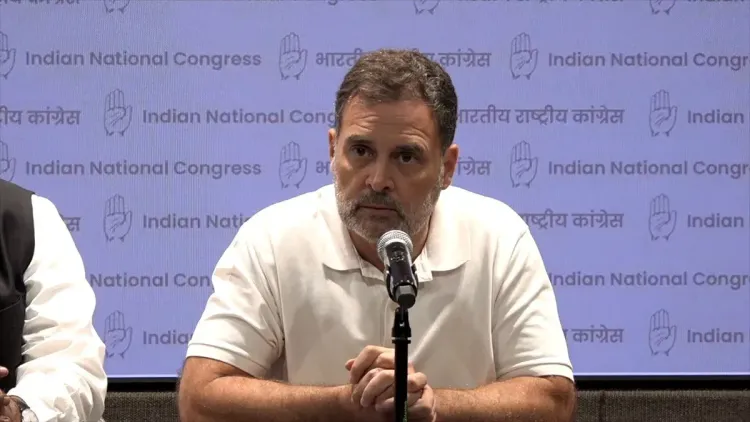
A direct challenge to the two most powerful men in India's government landed on Monday evening — Congress leader Rahul Gandhi declared that neither Prime Minister Narendra Modi nor Home Minister Amit Shah has the courage to come to Parliament and answer for what he called 'barbarity' inflicted on the country's students. The post, published on 10 August 2026, was blunt: the silence from the top of the executive is itself a message to India's youth.
In Hindi, Gandhi wrote: 'न प्रधानमंत्री मोदी, न गृह मंत्री अमित शाह में हिम्मत है कि वो संसद में आकर हमारे छात्रों पर हुई बर्बरता पर जवाब दें।' — 'Neither Prime Minister Modi nor Home Minister Amit Shah has the courage to come to Parliament and answer for the barbarity committed against our students.' He went further, framing executive silence as a deliberate signal: 'They do not believe that the violence against you is even worth a comment.'
Parliament as the arena Gandhi is demanding
The choice of Parliament as the specific venue is pointed. Gandhi, as Leader of the Opposition in Lok Sabha, holds the most prominent platform available to any non-ruling politician inside the House — and he is publicly daring the Prime Minister and Home Minister to use theirs. Demanding a ministerial statement on the floor of Parliament, rather than a press briefing or social media reply, carries constitutional weight: it invites a recorded, debatable response.
Indian opposition parties have invoked this tactic repeatedly — most visibly during the 2019-2020 protests over the Citizenship Amendment Act, when student agitations at several universities were met with police action and demands for a Home Ministry statement in Parliament went largely unanswered on opposition terms. The current post fits that established pattern of using public pressure to force — or expose the absence of — formal legislative accountability.
The accountability gap Gandhi is highlighting
Gandhi's framing does two things at once. It attacks the substance — alleging violence against students — and attacks the process: the government's refusal to engage through constitutional channels. By naming both Modi and Shah specifically, he targets the Prime Minister's Office and the Ministry of Home Affairs, the two nodes of executive power most directly responsible for internal security and parliamentary floor management.
The BJP-led government has previously characterised opposition walkouts and disruptions as the real obstacle to parliamentary debate, a counter-narrative that will almost certainly be deployed again. The Home Ministry has not issued any public clarification on the specific student incident referenced in the post.
Whether this exchange moves from social media to the Lok Sabha floor — and whether the government responds through a formal ministerial statement — will be the measure of how much political pressure this moment generates.
Point of View
He sets a threshold the government cannot easily meet on its own terms. The move fits a longer Congress strategy of using executive silence on security incidents to build a narrative of impunity. If the government responds only through party spokespeople or social media, Gandhi's framing — that Modi and Shah 'lack the courage' for parliamentary accountability — goes effectively unchallenged in the constitutional arena. The real test is whether the issue surfaces as a formal adjournment motion or zero-hour mention in the next Lok Sabha sitting.
NationPress
25 Sept 2026
Frequently Asked Questions
What did Rahul Gandhi say about Modi and Amit Shah on 10 August 2026?
Gandhi said neither Prime Minister Modi nor Home Minister Amit Shah has the courage to come to Parliament and answer for what he described as barbarity committed against students, adding that their silence tells students the violence against them is not even worth a comment.
Which incident of student violence is Rahul Gandhi referring to?
Gandhi did not name a specific incident in the post. The particular episode of student violence he referenced had not been independently verified in public records available at the time.
Why does Rahul Gandhi specifically demand a Parliament statement rather than a press conference?
A ministerial statement on the Lok Sabha floor is a formal, on-record declaration that opposition members can question and debate — unlike a press briefing, it carries constitutional accountability and creates a legislative record.
Has the government responded to Gandhi's challenge about student violence?
As of the time of the post on 10 August 2026 , neither the Prime Minister's Office nor the Home Ministry had issued a public clarification on the student incident Gandhi referenced.
Is this the first time Congress has demanded Parliament accountability on student violence?
No. Indian opposition parties, including Congress, have made similar demands during earlier episodes — most notably during the 2019-2020 protests over the Citizenship Amendment Act, when police action at university campuses triggered calls for a Home Ministry statement in Parliament.