Rahul Gandhi Demands Dharmendra Pradhan's Cabinet Exit
Synopsis
Congress leader Rahul Gandhi on 25 July 2026 issued a public ultimatum demanding Union Minister Dharmendra Pradhan's removal from Cabinet, accusing PM Modi of shielding him by shifting him between ministries and holding him responsible for corruption and student deaths.
Key Takeaways
Rahul Gandhi on 25 July 2026 publicly demanded Dharmendra Pradhan's removal from the Union Cabinet.
Gandhi accused PM Narendra Modi of protecting Pradhan by transferring him between ministries rather than sacking him.
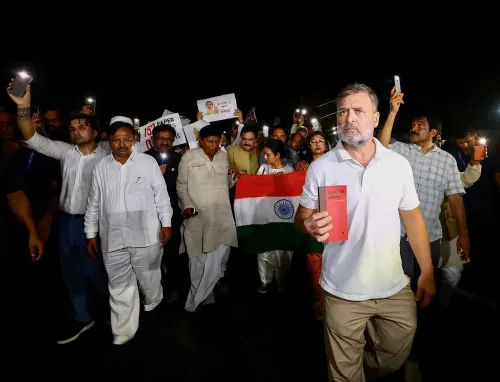
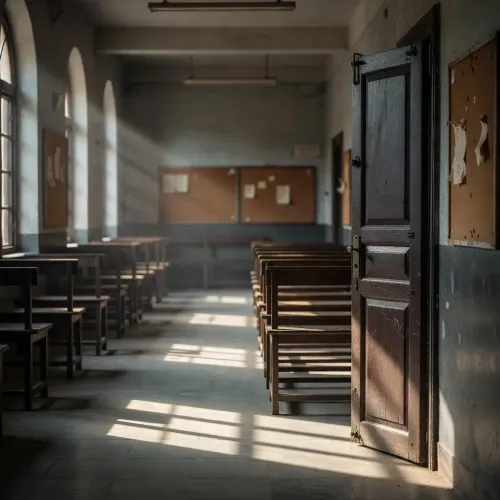
He held Pradhan responsible for 'corruption,' the 'destruction of India's education system,' and 'the deaths of numerous students.' Gandhi described the demand as 'non-negotiable,' signalling a sustained Congress campaign on the issue.
The post is part of a broader opposition pattern of using social media to demand ministerial accountability on education governance.
The confrontation is expected to intensify in the next parliamentary session through formal notices or grant debates on the Ministry of Education .
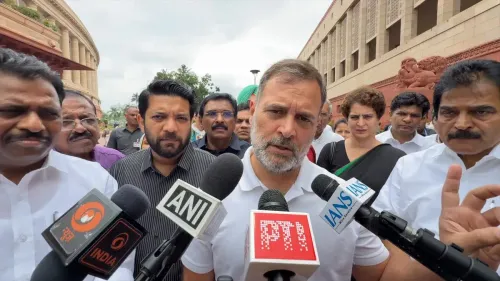
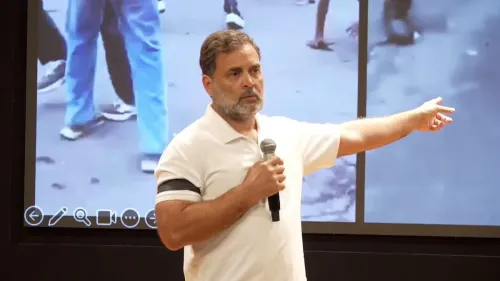
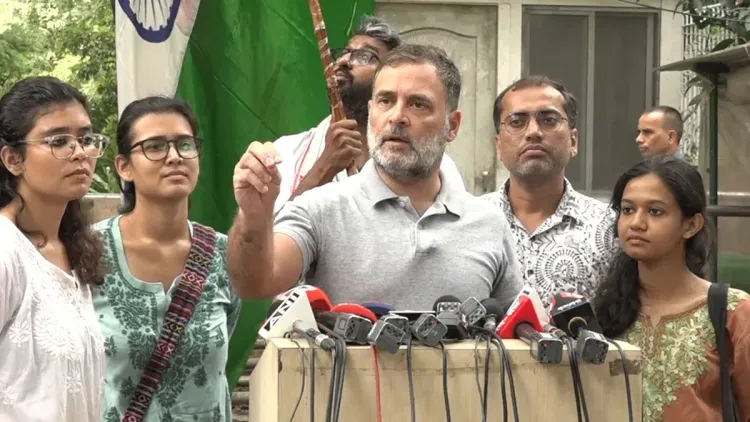
Congress leader Rahul Gandhi on Saturday, 25 July 2026 issued a sharp public ultimatum demanding the removal of Dharmendra Pradhan from the Union Cabinet, calling it a 'non-negotiable demand' and accusing Prime Minister Narendra Modi of shielding his ally by shifting him between ministries rather than holding him accountable.
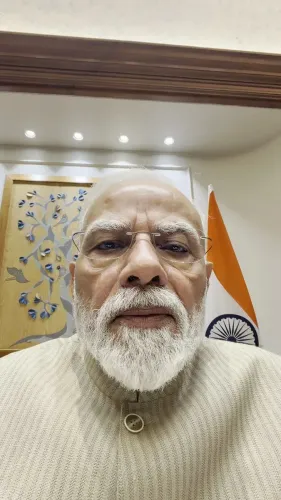
In a post on X in Hindi, Gandhi wrote: 'मोदी जी, अपने 'फ्रैंड' को एक मंत्रालय से हटाकर दूसरे में बैठाकर बचाने की आपकी साज़िश देश के छात्रों और भारत की जनता को मंज़ूर नहीं।' — ('Modi ji, your conspiracy to protect your 'friend' by moving him from one ministry to another is not acceptable to the students of this country and the people of India.')
Context
Gandhi directly named Dharmendra Pradhan, a senior BJP leader who has served in multiple central ministerial portfolios, including a stint as Minister of Education from July 2021. The Congress leader accused Pradhan of being a 'symbol of corruption and the destruction of the country's education system' and held him responsible for 'the deaths of numerous students.' He declared: 'We will not let him ruin anyone else's life. Dharmendra Pradhan must leave the Cabinet — this is non-negotiable.'
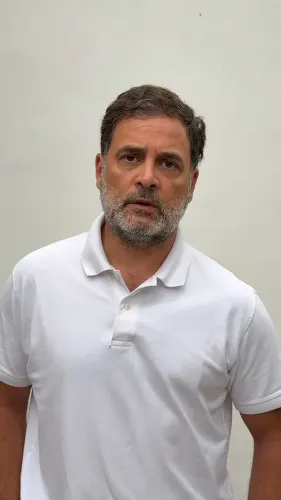
The post accompanied a video, suggesting Gandhi may have elaborated on these charges in an audio-visual format directed at the public and the ruling dispensation.
Policy Backdrop
The Ministry of Education has been at the centre of sustained political controversy in recent years. The rollout of the National Education Policy 2020, which introduced a four-year undergraduate structure and promoted mother-tongue instruction, drew both support and opposition across party lines. Competitive examination administration — covering bodies that conduct entrance tests for medical, engineering, and other professional courses — has been a recurring flashpoint, with allegations of paper leaks and procedural lapses triggering protests by student groups across the country.
Opposition parties, including the Indian National Congress, have used parliamentary sessions and social media platforms to demand ministerial accountability on these issues. Centre-state tensions over curriculum control and public education funding have added a federal dimension to these disputes.
Stakeholders and Impact
Students preparing for competitive examinations, parents, and teachers' unions are the primary constituencies invoked in Gandhi's post. His framing — linking a specific minister's tenure to student deaths and systemic collapse — is designed to mobilise public sentiment ahead of what could be a significant parliamentary or electoral moment.
The demand, if sustained, could force the ruling Bharatiya Janata Party to formally respond to the accountability question around Pradhan, either through a ministerial statement in Parliament or through party spokespersons. Civil society groups focused on education rights and student unions are likely to amplify the demand.
What's Next
The immediate political test will come in the next session of Parliament, where the opposition could press for a discussion on the Ministry of Education's demands for grants or table formal notices related to ministerial conduct. Gandhi's use of the phrase 'non-negotiable demand' signals that the Congress intends to sustain this pressure beyond a single social media post.
Whether the ruling coalition responds with a defence of Pradhan's record or with any administrative action will determine how this confrontation shapes the broader accountability narrative around India's education governance in the coming weeks.
Point of View
Not merely a social media salvo — framing a ministerial portfolio shuffle as a 'conspiracy' directly implicates the Prime Minister and raises the political cost of inaction. By invoking student deaths alongside systemic corruption, the Congress is attempting to fuse a governance critique with an emotional public appeal, a combination that has historically gained traction among young, first-time voters. The 'non-negotiable' framing is also a pressure tactic aimed at the opposition's own allies, daring them to either endorse or distance themselves from the demand. How the BJP chooses to respond — through silence, a counter-narrative, or a parliamentary defence of Pradhan's record — will signal its read of the political risk this campaign poses.
NationPress
25 Jul 2026
Frequently Asked Questions
Why is Rahul Gandhi demanding Dharmendra Pradhan's removal from Cabinet?
Rahul Gandhi has accused Dharmendra Pradhan of corruption, the destruction of India's education system, and responsibility for the deaths of numerous students, calling his removal from Cabinet a non-negotiable demand.
What did Rahul Gandhi say about PM Modi and Dharmendra Pradhan?
Gandhi accused PM Modi of conspiring to protect Pradhan, his 'friend,' by shifting him from one ministry to another instead of removing him from the Cabinet altogether.
What is Dharmendra Pradhan's role in India's education system?
Dharmendra Pradhan served as India's Union Minister of Education from July 2021, overseeing the implementation of the National Education Policy 2020 and the administration of central competitive examinations.
What is the National Education Policy 2020?
The National Education Policy 2020 replaced the 1986 policy and introduced major structural changes including a four-year undergraduate programme, emphasis on mother-tongue instruction, and the renaming of the Ministry of Human Resource Development to the Ministry of Education.
What could happen next after Rahul Gandhi's demand?
The Congress is expected to press the demand in Parliament through formal notices or debates on the Ministry of Education's budget grants, and student and civil society groups may amplify the call for ministerial accountability.