Rahul Gandhi in Nashik: Kumbh corruption, tribal protests, 2.07 crore voter exclusion on agenda
Synopsis
Rahul Gandhi's Nashik visit was more than a party workshop finale — it surfaced three live fault lines in Maharashtra politics: alleged Kumbh Mela corruption, the deletion of 2.07 crore names from draft voter rolls, and escalating tribal student protests. With 2029 elections in view, the Congress is betting that grassroots organisation around these grievances can rebuild its footprint in a state it lost badly.
Key Takeaways
Rahul Gandhi met senior Maharashtra Congress leaders in Nashik on 2 September , on the final day of the party's Sangathan Srujan Abhiyan workshop.
Discussions covered alleged corruption in Kumbh Mela works and the proposed Shaktipeeth Highway , as well as the 'commission raj'.
The exclusion of 2.07 crore voters from the draft electoral roll published on 31 August was flagged as a major concern.
Gandhi urged district presidents to focus on women, youth, farmers, and the middle class ahead of the 2029 polls.
Gandhi met tribal student representatives and assured them of Congress support; delegation member Sonu Gaikwad confirmed the pledge.
BJP MLA Devyani Farande and Nashik Mayor Himgauri Aher Adake led a counter-protest, accusing Gandhi of opposing the Nari Shakti Vandan women's reservation legislation.
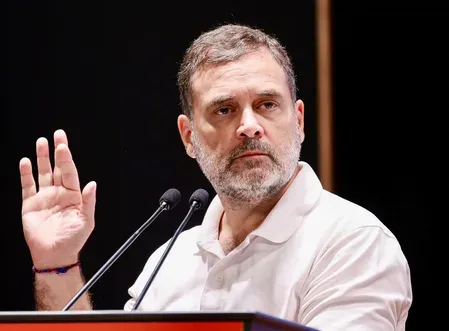
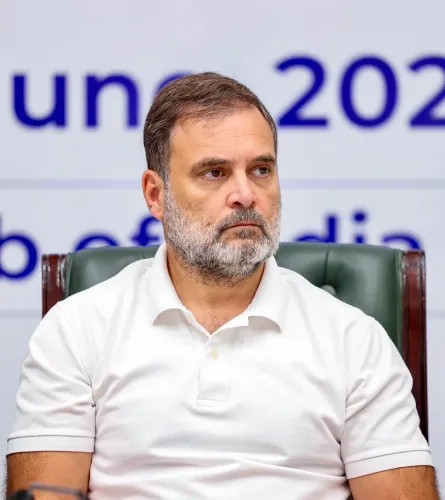
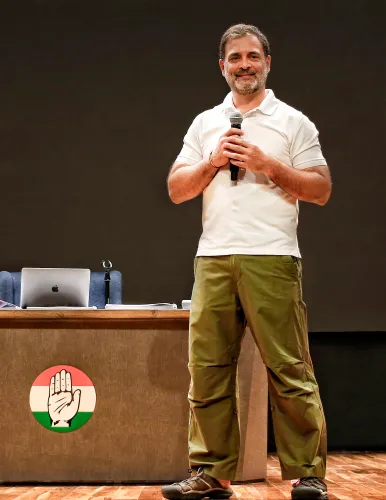
Leader of the Opposition in the Lok Sabha, Rahul Gandhi, on Wednesday, 2 September held extensive talks with senior Maharashtra Congress leaders in Nashik, covering alleged corruption in Kumbh Mela infrastructure works, the so-called 'commission raj', protests by tribal students, and the contentious exclusion of 2.07 crore voters from the draft electoral roll published on 31 August. The visit marked the closing day of the Indian National Congress's 10-day Sangathan Srujan Abhiyan study workshop.
Key Issues Discussed
Gandhi's Nashik meeting covered a broad sweep of concerns. Former Chief Minister Prithviraj Chavan said Gandhi specifically sought details on alleged financial irregularities in Kumbh Mela preparations and major infrastructure projects, including the proposed Shaktipeeth Highway. The 'commission raj' — a term critics use to describe alleged kickback culture in state contracts — was also on the table.
The ongoing Special Intensive Revision (SIR) exercise and the reported deletion of 2.07 crore voters from the draft electoral list drew particular attention, with party leaders flagging concerns about democratic representation ahead of the 2029 Assembly and Lok Sabha polls.
Gandhi's Message to District Presidents
During an interactive session lasting over three hours, Gandhi addressed district presidents of the Congress, urging them to concentrate organisational efforts on four key constituencies: women, youth, farmers, and the middle class. He told them that sustained grassroots work could prove decisive in future electoral contests.
Gandhi also asked the district presidents to remain anchored to party ideology, particularly when engaging with the Bharatiya Janata Party (BJP) and the Rashtriya Swayamsevak Sangh (RSS). He interacted with their family members as well, in what the party described as a relationship-building exercise. He also argued that high GDP growth figures do not automatically translate into adequate job creation, inflation relief, or improved real wages for ordinary citizens.
Tribal Students' Concerns
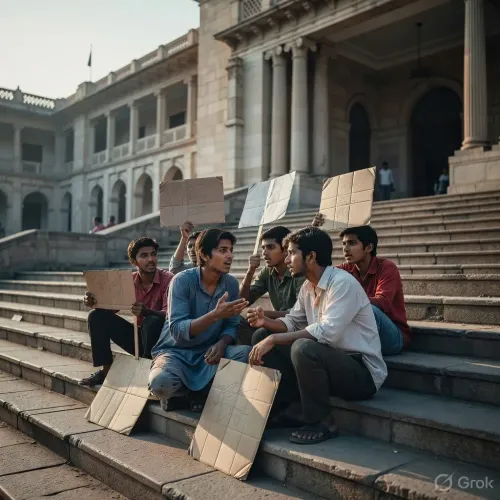
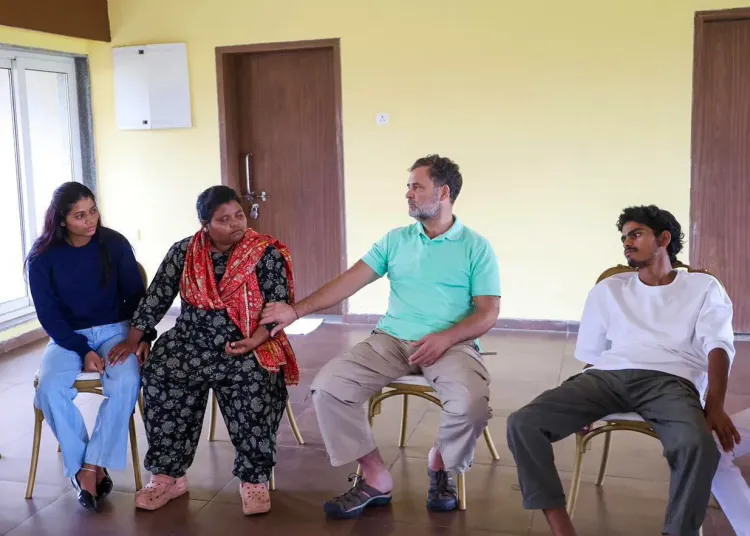
Amid ongoing protests by tribal students across Maharashtra, Gandhi met with representatives of the community and assured them of the Congress's support for their demands. Delegation member Sonu Gaikwad confirmed that Gandhi pledged the party's backing. This comes amid a broader pattern of tribal unrest over issues including educational access and land rights in Maharashtra.
BJP Counter-Protest in Nashik
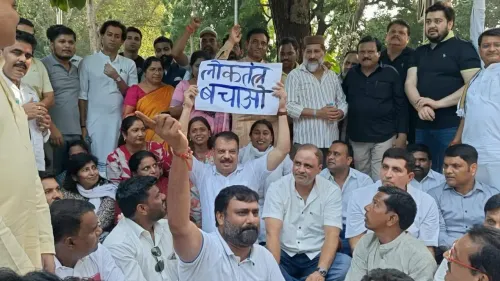
Gandhi's visit was not without political friction. BJP women leaders staged a demonstration in Nashik against him, accusing the Congress of opposing the Nari Shakti Vandan women's reservation legislation. BJP MLA Devyani Farande, Nashik Mayor Himgauri Aher Adake, and other women activists participated, with some raising 'Go back Rahul Gandhi' slogans.
Farande questioned why the Congress was resisting the women's reservation bill, asserting that Gandhi and his party should back greater representation for women in Parliament and state Assemblies. Aher Adake echoed the criticism, saying the legislation was designed specifically to increase women's presence in elected bodies.
What Comes Next
With the 2029 elections on the horizon, Gandhi's Nashik visit signals that the Congress intends to rebuild its Maharashtra organisation from the district level upward. The party's focus on voter roll irregularities, tribal grievances, and infrastructure accountability suggests a multi-front strategy to challenge the ruling alliance in the state. How effectively these issues translate into electoral mobilisation will be closely watched in the months ahead.
Point of View
Voter roll deletions, tribal unrest — reads like a deliberate effort to stitch together a coalition of grievances rather than a single-issue campaign. The 2.07 crore voter exclusion figure deserves independent scrutiny; if verified, it would be one of the largest single-state roll purges in recent memory and a legitimate democratic concern, not merely a political talking point. The BJP's counter-protest on women's reservation is tactically sharp, turning a Congress visit into a debate where the ruling alliance holds the legislative high ground. Whether Gandhi can convert district-level organisation into actual vote share in Maharashtra — a state the Congress has struggled in for over a decade — remains the central unanswered question.
NationPress
18 Oct 2026
Frequently Asked Questions
Why did Rahul Gandhi visit Nashik on 2 September?
Gandhi visited Nashik to attend the concluding session of the Congress party's 10-day Sangathan Srujan Abhiyan study workshop, where he addressed district presidents and held a separate meeting with senior Maharashtra Congress leaders. The visit also included a meeting with tribal student representatives.
What is the alleged corruption in Kumbh Mela works that was discussed?
According to former Chief Minister Prithviraj Chavan, Gandhi sought details on alleged financial irregularities in preparations for the Kumbh Mela and related infrastructure projects, including the proposed Shaktipeeth Highway. The discussions also referenced the broader 'commission raj' — a term critics use for alleged kickbacks in state contracts.
What is the controversy over 2.07 crore voters being excluded from Maharashtra's electoral roll?
A draft electoral roll published on 31 August reportedly excluded 2.07 crore voters as part of the ongoing Special Intensive Revision (SIR) exercise. Congress leaders raised this as a concern about democratic representation, though the full context of the deletions has not been independently verified.
What did Rahul Gandhi promise tribal students in Nashik?
Gandhi met representatives of tribal students who are protesting in Maharashtra and assured them of the Congress party's support for their demands. Delegation member Sonu Gaikwad confirmed the assurance after the meeting.
Why did BJP leaders protest against Rahul Gandhi in Nashik?
BJP MLA Devyani Farande, Nashik Mayor Himgauri Aher Adake, and other BJP women leaders staged a demonstration accusing Gandhi of opposing the Nari Shakti Vandan women's reservation legislation. They called on the Congress to support greater representation for women in Parliament and state Assemblies.