Ramaswamy Vows Property Tax Relief if He Wins Ohio
Synopsis
Entrepreneur Vivek Ramaswamy has pledged to tackle Ohio's property-tax burden as his top priority if he wins his next election, calling it the number-one grievance he hears from residents across the state. The post signals a firm pivot to Ohio state politics ahead of the 2026 gubernatorial cycle.
Key Takeaways
Entrepreneur Vivek Ramaswamy posted on 18 October 2026 that property taxes are 'the #1 problem' he hears about across his state.
He pledged to act on property-tax relief 'right after we win,' framing it as a day-one priority.
Ohio has long relied on patchwork legislative rebates rather than structural caps on property-tax growth.
The post positions Ramaswamy firmly in Ohio state politics , consistent with a likely 2026 gubernatorial run .
No specific policy mechanism — cap, rebate, or exemption expansion — was named in the post.
Republican candidates across the Midwest have repeatedly won on property-tax relief when backed by credible reform plans.
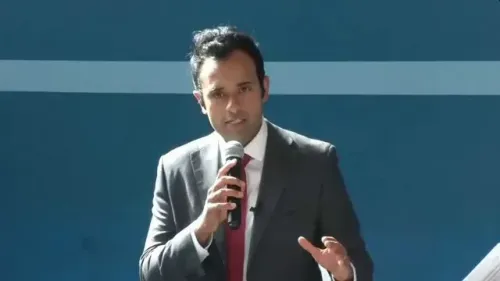
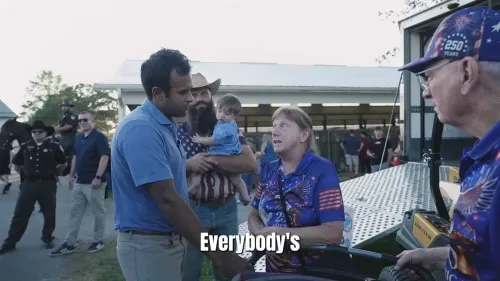
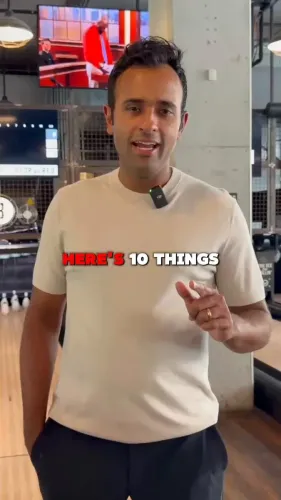
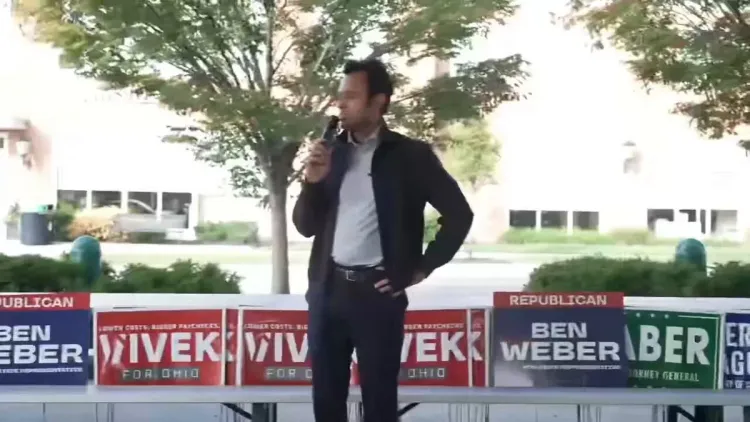
Property taxes have become the defining kitchen-table grievance of Ohio politics — and entrepreneur Vivek Ramaswamy is betting his next political move on fixing them. In a video post on Sunday, 18 October 2026, Ramaswamy told followers that sky-high property taxes are 'the #1 problem I hear about across our state' and promised to act on relief 'right after we win.'
The Tax Burden Driving Ohio Voters to the Polls
Property taxes in Ohio have climbed steadily for years, squeezing homeowners in suburbs, small towns, and rural counties alike. Unlike states with broad structural caps, Ohio has relied on a patchwork of periodic legislative rebates and exemptions — relief that critics say never keeps pace with rising valuations. For many residents, the annual tax bill has become a source of genuine financial stress, not just a political talking point.
Ramaswamy — founder of Strive Asset Management, former co-lead of the US Department of Government Efficiency (DOGE) advisory effort, and a 2024 Republican presidential candidate — has repositioned himself squarely in Ohio state politics after the presidential race. The property-tax pledge signals a clear pivot: from national policy debates to the bread-and-butter fiscal issues that decide gubernatorial elections.
A Republican Playbook That Has Worked Before
Ramaswamy's framing fits a well-worn Republican template at the state level. Across the Midwest, GOP candidates have repeatedly won on property-tax relief when they can credibly link the promise to a concrete plan. The challenge — and the vulnerability — is always in the details. Ramaswamy's post promises action but stops short of naming specific mechanisms: a cap on annual assessment increases, a homestead exemption expansion, or a structural overhaul of how local governments fund schools and services.
That vagueness is deliberate at this stage. Campaigns typically float the headline before the policy paper, testing whether the issue resonates before committing to a reform architecture that inevitably creates winners and losers among local governments and school districts.
What 'Right After We Win' Actually Means
The phrase 'right after we win' does double work: it signals confidence and frames the tax pledge as a day-one priority rather than a long-term aspiration. It also confirms that Ramaswamy is actively campaigning — most likely for the 2026 Ohio gubernatorial race, which analysts have flagged as a contest where local fiscal grievances will dominate. Any detailed reform plan he releases in the coming weeks will be the real test of whether this is a governing vision or a campaign slogan.
Ohio's homeowners are listening. The question is whether Ramaswamy can turn the state's most-voiced complaint into a legislative reality — and whether voters decide he is the person to do it.
Frequently Asked Questions
What did Vivek Ramaswamy say about property taxes?
Ramaswamy posted on 18 October 2026 that property taxes are 'the #1 problem' he hears about across his state and promised to address them 'right after we win.'
Is Vivek Ramaswamy running for Ohio governor in 2026?
Ramaswamy has not formally announced a gubernatorial candidacy in this post, but his language — 'our state' and 'right after we win' — strongly signals an active campaign, with the 2026 Ohio governor's race the most likely context.
Why are property taxes so high in Ohio?
Ohio relies heavily on property taxes to fund local governments and school districts, and the state lacks a broad structural cap on annual assessment increases, meaning tax bills often rise faster than household incomes.
What specific property-tax relief plan did Ramaswamy propose?
No specific mechanism was outlined in the post. Ramaswamy promised action after winning but did not name a cap, rebate, or exemption expansion — details that are expected in a subsequent policy release.
Who is Vivek Ramaswamy?
Vivek Ramaswamy is an entrepreneur, founder of Strive Asset Management, former co-lead of the US Department of Government Efficiency (DOGE) advisory effort, and a 2024 Republican presidential candidate who has since focused on Ohio state politics.