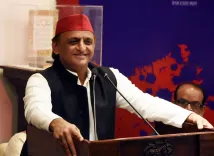
Rahul Gandhi leads protest march against 'vote chori' to EC office
Synopsis
Congress leader Rahul Gandhi led a live-streamed protest march from Parliament House to the Election Commission of India office in New Delhi on October 6, 2026, demanding accountability over alleged electoral fraud dubbed 'vote chori' by the opposition.
Key Takeaways
Rahul Gandhi led a protest march from Parliament House to the Election Commission of India office in New Delhi on October 6, 2026 .
The march was livestreamed on Rahul Gandhi's official X account, reaching a national audience directly.
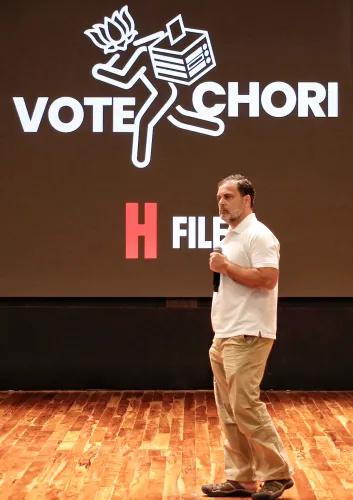
The protest centres on allegations of 'vote chori' (vote theft), a term the opposition uses for alleged electoral irregularities.
The route — Parliament House to the EC headquarters — was a deliberate symbolic choice placing electoral fraud allegations at the door of the poll body.
Rahul Gandhi is the Leader of the Opposition in the Lok Sabha and Congress MP from Rae Bareli .
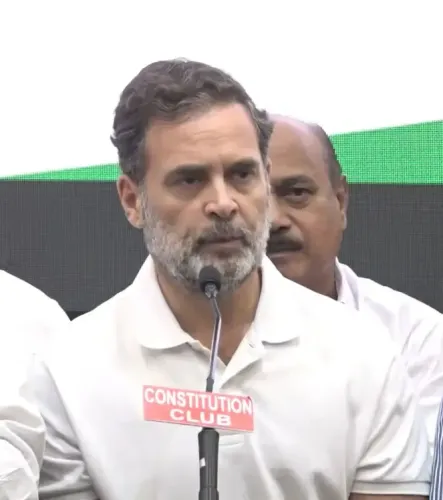
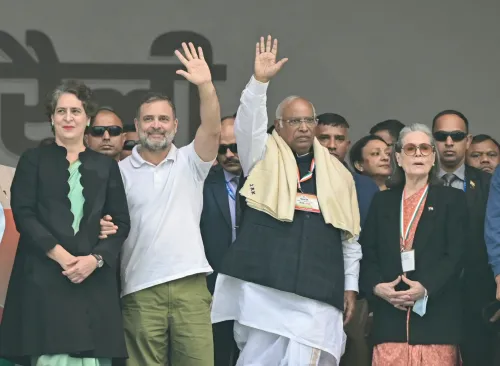
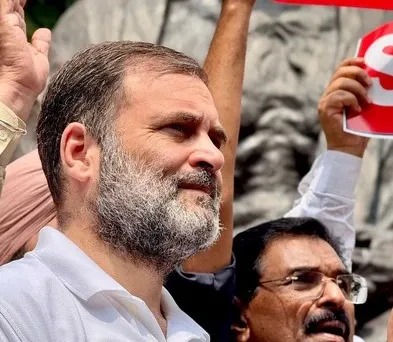
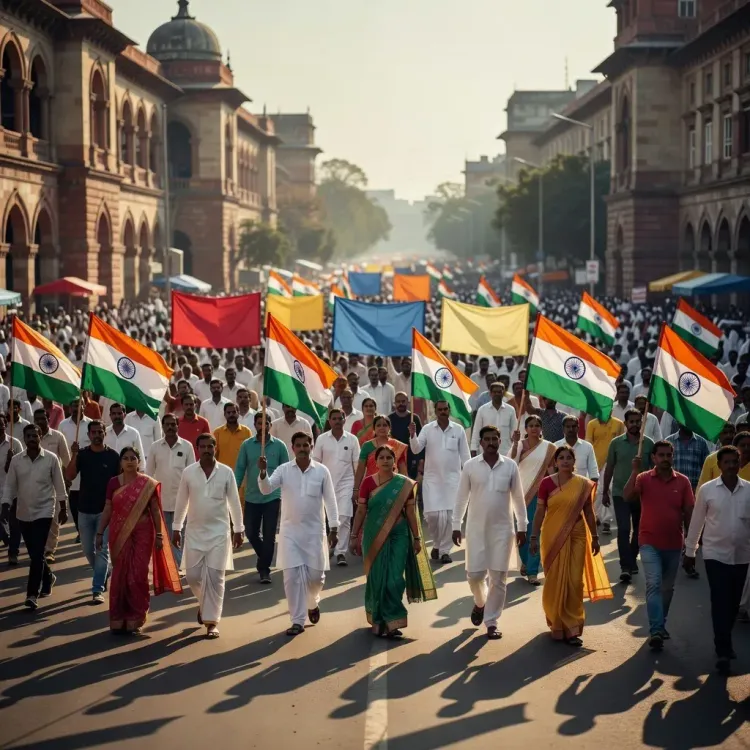
Thousands took to the streets of New Delhi on Tuesday, October 6, 2026, as Congress leader and Leader of the Opposition Rahul Gandhi led a high-profile protest march from Parliament House to the Election Commission of India office, demanding accountability over what the opposition is calling 'vote chori' — electoral fraud.
The march from Parliament House to EC headquarters
The protest, livestreamed by Rahul Gandhi directly on his official X account, drew attention from across the political spectrum. The route — from the nerve centre of India's democracy at Parliament House to the constitutional body that oversees elections — was a deliberate symbolic choice, placing the accusation of electoral malpractice squarely at the doorstep of the institution meant to prevent it.
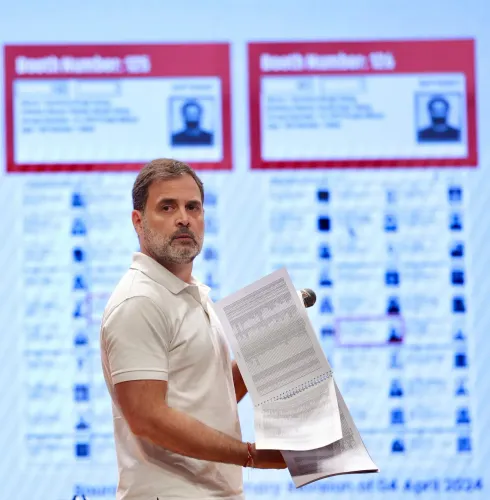
The term 'vote chori' (vote theft) has become a rallying cry for opposition parties alleging irregularities in electoral processes. By marching to the Election Commission of India, the Congress is demanding that the country's apex poll body answer questions about electoral integrity.
Opposition pressure on the Election Commission
The Election Commission of India, headquartered in Nirvachan Sadan, New Delhi, is a constitutional authority responsible for administering elections to Parliament and state legislatures. Opposition parties have, at various points, raised concerns about electronic voting machine reliability, voter roll deletions, and the fairness of the electoral process — issues that have periodically fuelled street-level mobilisation.
A march of this nature, originating from Parliament House itself, carries particular political weight. It signals that the opposition is taking its grievances beyond legislative debate and onto the streets, amplifying pressure in the public arena.
Rahul Gandhi's combative posture heading into the protest
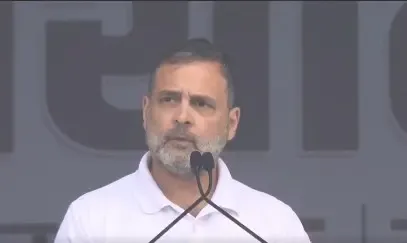
As Leader of the Opposition in the Lok Sabha and the Indian National Congress MP from Rae Bareli, Rahul Gandhi has increasingly used mass mobilisation as a political tool alongside parliamentary strategy. The decision to livestream the march underscores the Congress's intent to reach voters directly, bypassing traditional media filters and building a real-time narrative around electoral accountability.
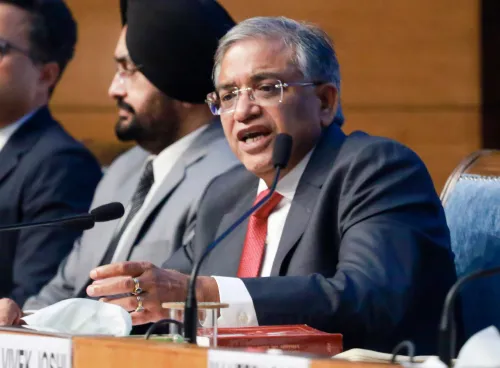
The protest puts the Election Commission in an uncomfortable spotlight — the body must now navigate calls to respond publicly to opposition allegations, even as it maintains its constitutional posture of independence.
Whether this march translates into formal petitions, a Commission response, or broader coalition momentum, the message from Parliament Street today was unmistakable: India's principal opposition is no longer content to fight 'vote chori' only in debate halls.
Point of View
Designed to move the electoral integrity debate from legislative chambers into the public square. The Congress is betting that street-level visibility, amplified through social media, keeps pressure on the EC in a way that parliamentary speeches alone cannot. This fits a broader pattern in which Rahul Gandhi has used mass mobilisation (most notably the Bharat Jodo Yatras) to build political momentum outside traditional institutional channels. The EC, a constitutional body that prizes its image of neutrality, now faces the politically delicate task of either engaging with the opposition's demands or maintaining silence at the cost of appearing unresponsive.
NationPress
6 Oct 2026
Frequently Asked Questions
What is the 'vote chori' protest led by Rahul Gandhi about?
The 'vote chori' (vote theft) protest led by Rahul Gandhi on October 6, 2026, is a march demanding that the Election Commission of India address opposition allegations of electoral fraud and irregularities in India's voting process.
Where did Rahul Gandhi's protest march take place?
The march took place in New Delhi, starting from Parliament House and ending at the Election Commission of India's office, also known as Nirvachan Sadan.
Who is Rahul Gandhi and what is his current political position?
Rahul Gandhi is the Leader of the Opposition in the Lok Sabha and a Member of Parliament from Rae Bareli, representing the Indian National Congress.
What is the Election Commission of India?
The Election Commission of India is an autonomous constitutional authority responsible for administering elections to Parliament and state legislatures, headquartered at Nirvachan Sadan in New Delhi.
Why did the Congress march to the Election Commission specifically?
The Election Commission is the constitutional body responsible for overseeing free and fair elections in India. By marching to its headquarters, the Congress was placing its allegations of electoral fraud directly at the door of the institution responsible for preventing such irregularities.