Rahul Gandhi appeals to Congress workers to aid Tamil Nadu rain victims
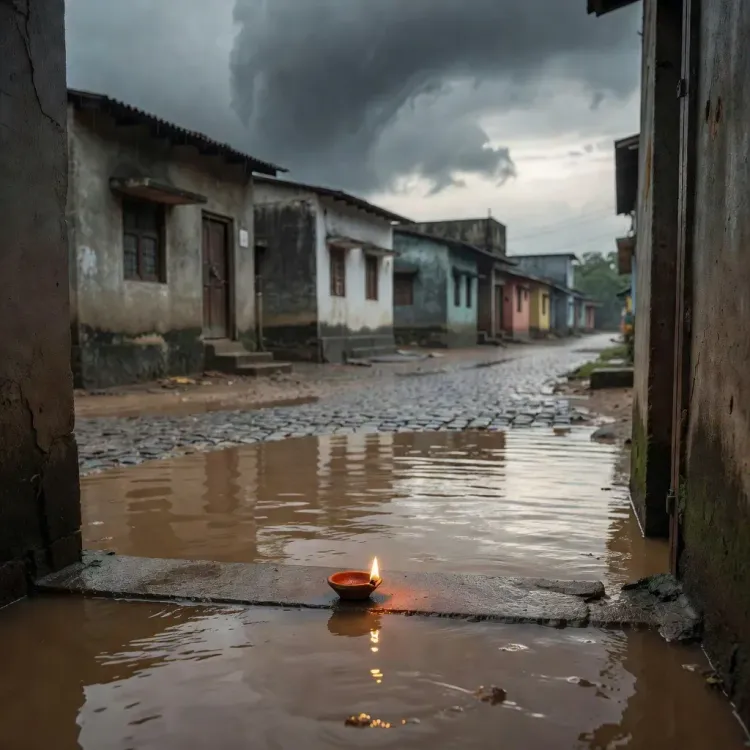
Synopsis
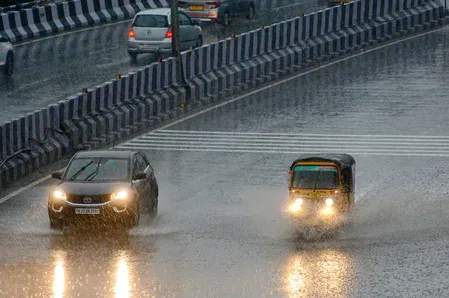
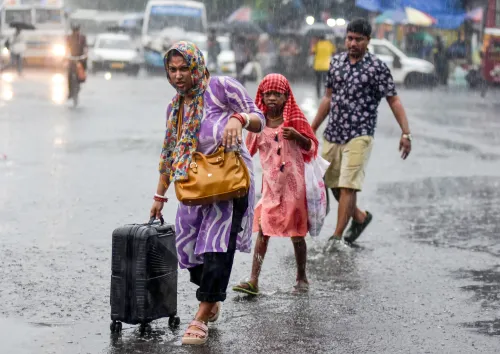
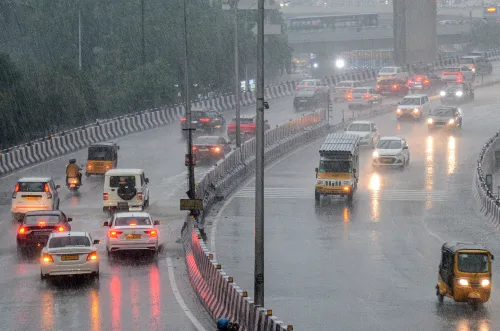
Congress leader Rahul Gandhi on October 22, 2026 appealed to party workers in Tamil Nadu to assist families hit by heavy rains, directing them to coordinate with local authorities and give priority attention to the elderly and most vulnerable residents.
Key Takeaways
Rahul Gandhi posted a relief appeal on October 22, 2026 in response to heavy rains in Tamil Nadu .
He directed Congress leaders and workers to reach out to affected families and coordinate with local authorities.
Gandhi specifically asked that special attention be given to the elderly and the most vulnerable.
Tamil Nadu is routinely impacted by the northeast monsoon, which intensifies between October and December each year.
Disaster relief in India is primarily coordinated by state governments and local bodies , with political organisations playing a supplementary role.
As heavy rains batter Tamil Nadu, Congress leader Rahul Gandhi on Thursday, October 22, 2026 called on party workers across the state to mobilise immediately — directing special care toward the elderly and the most vulnerable among those affected.
In his post on X, Gandhi urged Congress leaders and workers to 'reach out to families in the affected areas and help with relief' while working 'closely with the local authorities.' The message closed with a direct note of solidarity: 'To my sisters and brothers in Tamil Nadu: we stand with you. Please stay safe.'
A southern state no stranger to monsoon fury
Tamil Nadu sits in the path of the northeast monsoon — a seasonal weather system that typically intensifies between October and December, bringing heavy rainfall to the state's coastal and inland districts. Flooding, waterlogging, and displacement are recurring consequences, with vulnerable communities bearing a disproportionate share of the impact each cycle.
Disaster response in India operates under a federal structure: state governments and local bodies carry the primary burden of relief coordination, while political organisations frequently supplement official efforts through volunteer and worker networks. Gandhi's appeal follows this established pattern, explicitly asking cadres to plug gaps at the ground level rather than work in parallel to local authorities.
Congress cadre directed to act — not just observe
The appeal is notably action-specific. Gandhi did not stop at expressing sympathy — he assigned a task: connect with affected families, coordinate with local authorities, and prioritise the elderly and those most at risk. That last instruction reflects a pattern seen in post-disaster welfare work, where senior citizens and people with limited mobility are often the last to receive assistance during evacuation and relief distribution.
The Indian National Congress, currently in opposition at the Union level, maintains an organisational presence across Tamil Nadu. How effectively that network activates on the ground — and how smoothly it meshes with state administration — will determine whether the appeal translates into measurable relief.
With the northeast monsoon season still running its course, the pressure on relief machinery is unlikely to ease quickly. What happens in the next 48 to 72 hours often defines how communities remember a disaster — and how they remember who showed up.
Point of View
The message sidesteps any perception of political grandstanding during a humanitarian moment. The emphasis on the elderly and vulnerable also reflects a sharper understanding of who gets left behind in disaster response — a detail that distinguishes the appeal from generic solidarity statements. How consistently Congress workers execute on these instructions will be the real test of whether the party's organisational depth in Tamil Nadu matches its rhetorical commitment.
NationPress
22 Oct 2026
Frequently Asked Questions
What did Rahul Gandhi say about Tamil Nadu heavy rains?
Rahul Gandhi posted on X on October 22, 2026, expressing solidarity with those affected by heavy rains in Tamil Nadu and urging Congress leaders and workers to reach out to affected families, coordinate with local authorities, and give special attention to the elderly and most vulnerable.
Why does Tamil Nadu face heavy rains every year?
Tamil Nadu is situated in the path of the northeast monsoon, which typically brings heavy and sustained rainfall to the state between October and December, making flooding and waterlogging a recurring seasonal challenge.
How does Congress help during flood relief in India?
The Indian National Congress, like other political parties, mobilises its worker and volunteer networks at the local level to supplement official state and district administration relief efforts during natural disasters such as floods and heavy rains.
Who is responsible for flood relief in Tamil Nadu?
Under India's federal framework, the Tamil Nadu state government and local bodies carry primary responsibility for disaster relief and coordination, with support available from central government agencies and supplementary assistance from civil society and political organisations.
Why did Rahul Gandhi mention the elderly specifically in his Tamil Nadu appeal?
Elderly residents and people with limited mobility are among the most at risk during floods and heavy rains, as they are often the last to receive evacuation assistance or relief supplies, making targeted attention to them a critical part of effective disaster response.