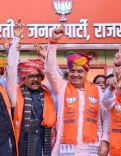
Rahul Gandhi Reaffirms Bahujan Justice Pledge After Sahani Wishes
Synopsis
Congress leader Rahul Gandhi responded to Bihar politician Mukesh Sahani's greetings on June 19, 2026, declaring his party's resolve to deliver justice to India's Bahujan community and working class as 'unbreakable,' signalling continued opposition outreach to EBC and marginalised groups.
Key Takeaways
Rahul Gandhi posted on June 19, 2026 , acknowledging greetings from Mukesh Sahani , founder of the Vikassheel Insaan Party .
Gandhi described Congress's commitment to Bahujan and working-class justice as 'unbreakable' ( atoot ).
Mukesh Sahani represents the Nishad community , classified as an Extremely Backward Caste in Bihar .
The exchange reflects the broader opposition strategy of building alliances with EBC and Dalit-focused regional parties, especially in Bihar and Uttar Pradesh .
The Mandal Commission reservations of 1990 remain the foundational policy reference for OBC and EBC political mobilisation in India.
A potential caste census and reservation expansion remain key watch points in parliamentary politics.
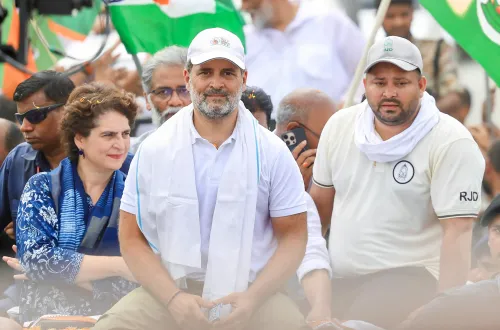
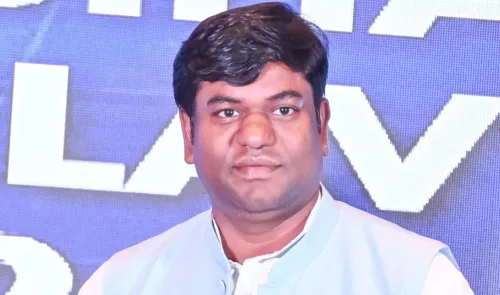
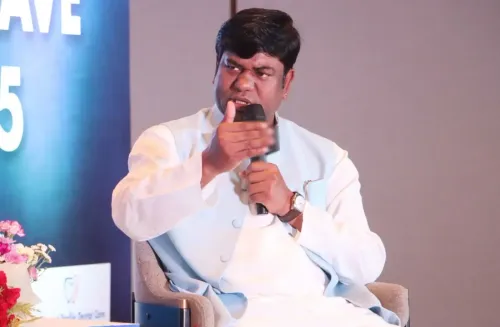
Congress leader and Leader of the Opposition in Lok Sabha Rahul Gandhi on Friday, June 19, 2026, responded to greetings from Bihar politician Mukesh Sahani, reaffirming his party's commitment to justice for the Bahujan community and the working class.
In his post on X, Gandhi wrote — 'मुकेश सहनी जी, आपकी हार्दिक शुभकामनाओं के लिए दिल से धन्यवाद। देश के बहुजन समाज और मेहनतकश वर्ग को न्याय दिलाने का हमारा संकल्प अटूट है।' — translated as: 'Mukesh Sahani ji, heartfelt thanks for your warm wishes. Our resolve to deliver justice to the Bahujan community and the hardworking class of the country is unbreakable.'
Context
Mukesh Sahani is the founder of the Vikassheel Insaan Party (VIP) and a prominent voice for the Nishad community, which falls under the Extremely Backward Caste (EBC) category in Bihar. His outreach to Gandhi signals a continuing conversation between regional EBC-focused leaders and the national opposition. Gandhi's response, brief but pointed, underscores the Congress party's broader outreach to marginalised social groups ahead of any potential political realignment in Bihar.
Policy Backdrop
The language of Bahujan justice carries deep constitutional and political weight in India. The Mandal Commission recommendations, implemented in 1990, introduced reservations for Other Backward Classes in education and public employment — a landmark shift that reshaped caste politics for decades. Congress and allied opposition parties have consistently invoked this legacy, positioning social equity and caste-based affirmative action as central planks against the ruling dispensation's governance model. Calls for a national caste census have grown louder in recent parliamentary sessions, with the opposition arguing that updated data is essential for equitable policy design.
Stakeholders and Impact
The Bahujan population — encompassing Scheduled Castes, Scheduled Tribes, and Other Backward Classes — constitutes a significant share of India's electorate, particularly in states like Bihar and Uttar Pradesh. For the Nishad and allied fishing and boatman communities that Sahani represents, political recognition from a national opposition leader carries symbolic weight in state-level negotiations. The working class or mehnatkash varg, as Gandhi's post describes them, encompasses daily-wage labourers, farmers, and informal-sector workers — groups that have been at the centre of Congress's social-justice messaging in recent years.
What's Next
Political observers will watch whether this exchange translates into formal electoral or coalition discussions between the Indian National Congress and the Vikassheel Insaan Party ahead of the next Bihar assembly cycle. Any parliamentary movement on a caste census or expansion of reservation frameworks could give further momentum to the opposition's Bahujan outreach. Gandhi's reiteration that the resolve is 'unbreakable' suggests the Congress intends to keep social justice at the forefront of its national political identity.
Point of View
A public exchange with the Leader of the Opposition carries credibility that can be leveraged in state-level bargaining. The interaction fits a recognisable pattern: national opposition consolidating symbolic ties with community-specific parties to build a credible counter-bloc ahead of future electoral contests.
NationPress
19 Sept 2026
Frequently Asked Questions
What did Rahul Gandhi say to Mukesh Sahani on X?
Rahul Gandhi thanked Mukesh Sahani for his warm wishes and declared that Congress's resolve to deliver justice to the Bahujan community and the working class is 'unbreakable.'
Who is Mukesh Sahani and which community does he represent?
Mukesh Sahani is a Bihar politician and founder of the Vikassheel Insaan Party, representing the Nishad community, which is classified as an Extremely Backward Caste in Bihar.
What is the Bahujan community in Indian politics?
The term 'Bahujan' broadly refers to Scheduled Castes, Scheduled Tribes, and Other Backward Classes — communities that together form a majority of India's population and are central to social-justice politics.
Why is caste equity a major issue in Indian opposition politics?
Since the Mandal Commission's OBC reservation recommendations were implemented in 1990, caste equity has been a defining issue; opposition parties argue that updated caste data and expanded reservations are needed to address persistent social and economic inequalities.
What is the significance of Congress reaching out to EBC leaders in Bihar?
Bihar has a large EBC and Nishad population that is politically decisive; alliances with EBC-focused parties can shift vote shares significantly, making outreach to leaders like Sahani strategically important for the national opposition.