Rahul Gandhi Condemns Kulgam Terror Attack, Demands Strictest Action

Synopsis
Congress leader Rahul Gandhi condemned a terror attack in Kulgam, Jammu and Kashmir, that killed two workers, calling it cowardly and demanding the severest punishment for the perpetrators while asserting that India stands united against terrorism.
Key Takeaways
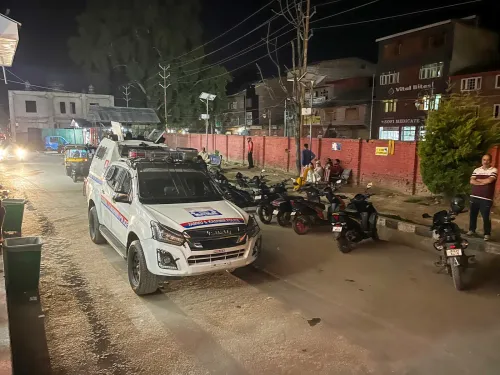
Two workers were killed in a terror attack in Kulgam district , south Kashmir, prompting widespread condemnation.
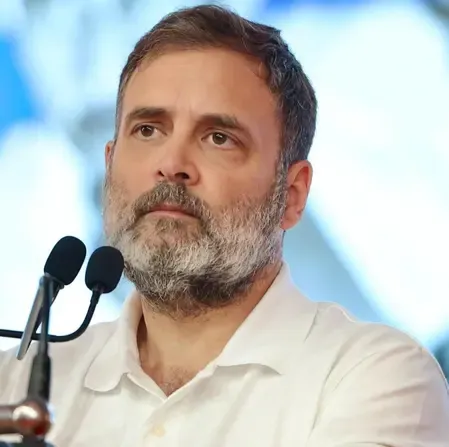
Rahul Gandhi , Leader of the Opposition, called the attack 'extremely tragic' and a 'cowardly' act, demanding the strictest punishment for the terrorists.
Gandhi extended condolences to the bereaved families of the slain workers.
Kulgam has a history of militant violence, including targeted killings of non-local civilian workers.
Gandhi reaffirmed that 'the country is always united against terrorism,' signalling cross-party consensus on security.
Security force investigations are expected, with the Ministry of Home Affairs likely to announce follow-up operations or arrests.
Two labourers killed in cold blood in Kulgam, south Kashmir — that is the grim headline that drew a sharp condemnation from Congress leader Rahul Gandhi, Leader of the Opposition in the Lok Sabha, on Saturday, 1 August 2026. Gandhi called the attack an act of cowardice and demanded the harshest possible punishment for those responsible.
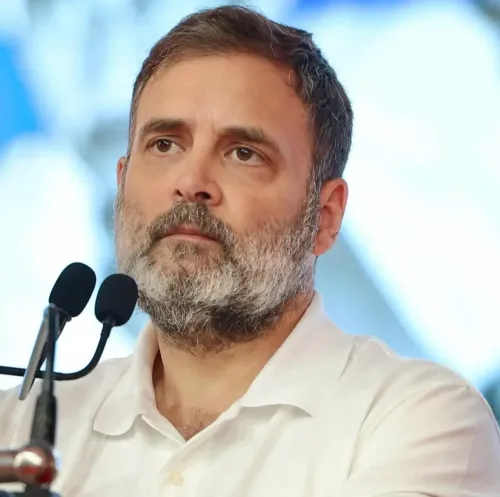
In his post on X, Gandhi described the killings as 'atyant dukhad' — deeply sorrowful — and extended his condolences to the bereaved families. He wrote: 'The murder of two of the country's workers in the audacious terror attack in Kulgam, Jammu and Kashmir, is extremely tragic. I express my condolences to the grieving families. Strict action must be taken against the terrorists for this cowardly attack, and they must be given the severest punishment. The country is always united against terrorism.'
Kulgam's Recurring Brush With Targeted Violence
Kulgam district in the Anantnag division of south Kashmir has been a recurring flashpoint for militant activity. Non-local workers — labourers, traders, and daily-wage earners who travel to the Valley in search of work — have periodically been singled out in targeted killings, making such attacks a particularly chilling dimension of the region's security challenge.
Since the abrogation of Article 370 in August 2019, which stripped Jammu and Kashmir of its special status and reorganised it into two Union Territories, the central government has maintained that intensified counter-insurgency operations have brought greater stability. Yet periodic attacks on civilians, especially migrant workers with no political affiliation, have continued to punctuate that narrative.
A Cross-Party Reflex — And What It Signals
Gandhi's statement follows a well-established pattern across India's political spectrum: leaders from rival parties set aside differences to condemn attacks in the Valley, projecting the national consensus that terrorism will not be tolerated. The phrase he used — 'desh hamesha ekjut hai', 'the country is always united' — is itself a deliberate signal, placing opposition solidarity with the government's security mandate on the record.
Security force investigations into the Kulgam attack are expected to follow, with any arrests or operations likely to be announced by the Ministry of Home Affairs. The families of the two slain workers now await both justice and answers.
In a Valley where ordinary workers have paid the heaviest price, the demand for accountability is not merely political — it is personal.
Point of View
While following a familiar cross-party script, carries weight as a formal statement from the Leader of the Opposition — it places the Congress on record demanding accountability from the security establishment. The targeting of non-local labourers in Kulgam is a recurring and strategically significant pattern: it strikes at the economic normalisation narrative that the central government has built around the post-Article 370 order in Jammu and Kashmir. Each such attack tests that narrative and renews pressure on the Ministry of Home Affairs to demonstrate operational effectiveness. Gandhi's call for 'strictest action' is both a condolence and an implicit audit of that effectiveness.
NationPress
15 Sept 2026
Frequently Asked Questions
What happened in Kulgam, Jammu and Kashmir?
Two workers were killed in a terror attack in Kulgam district in south Kashmir. The attack drew widespread condemnation from political leaders across India.
What did Rahul Gandhi say about the Kulgam attack?
Rahul Gandhi called the attack 'extremely tragic' and 'cowardly,' extended condolences to the victims' families, and demanded the severest punishment for the terrorists responsible.
Why is Kulgam frequently in the news for terror attacks?
Kulgam is a district in south Kashmir that has historically seen significant militant activity, including periodic targeted killings of security personnel and non-local civilian workers.
What is the significance of attacks on non-local workers in Kashmir?
Attacks on non-local labourers and traders are seen as an attempt to disrupt economic normalcy and deter workers from other states from coming to the Valley, undermining post-2019 stability claims.
What action is expected after the Kulgam terror attack?
Security forces are expected to investigate the attack, and the Ministry of Home Affairs may announce counter-operations or arrests in the coming days.