Rajasthan CM Bhajanlal expands de-addiction wards under Raj Savera
Synopsis
The Chief Minister's Office of Rajasthan announced on 3 August 2026 that de-addiction wards are being set up in district hospitals under the Raj Savera programme, while a zero-tolerance policy drives strict action against illegal narcotics trade across the state.
Key Takeaways
De-addiction wards are being established in district hospitals across Rajasthan under the Raj Savera programme .
The state has declared a zero-tolerance policy against illegal narcotics trade, with strict enforcement action underway.
Chief Minister Bhajan Lal Sharma (BJP) has been in office since December 2023 and is framing this as part of his administration's governance agenda.
The dual treatment-plus-enforcement model is consistent with approaches adopted by several other Indian states under the NDPS Act, 1985 .
Progress on ward operationalisation and enforcement outcomes remains the key metric to watch.
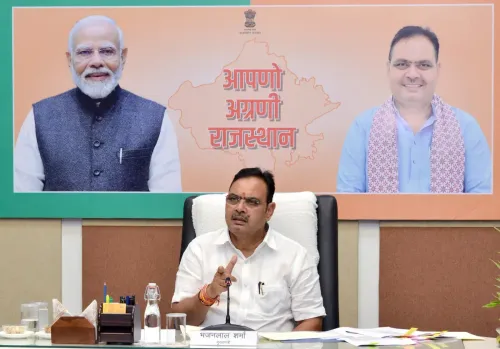
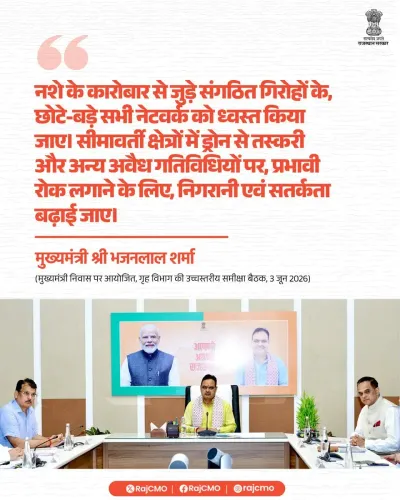
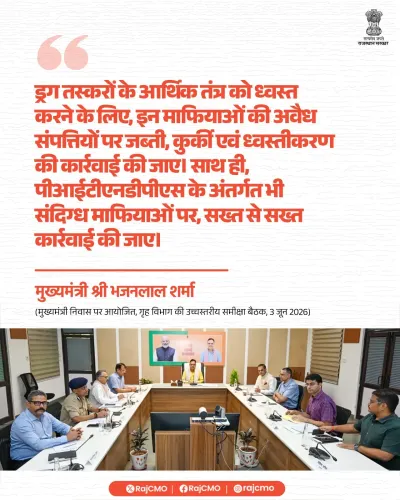
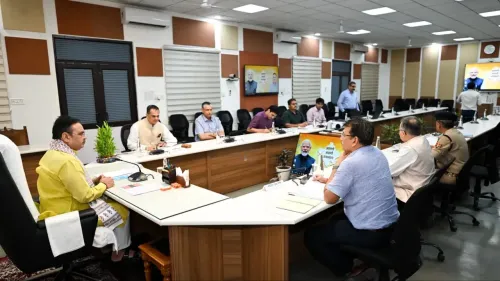
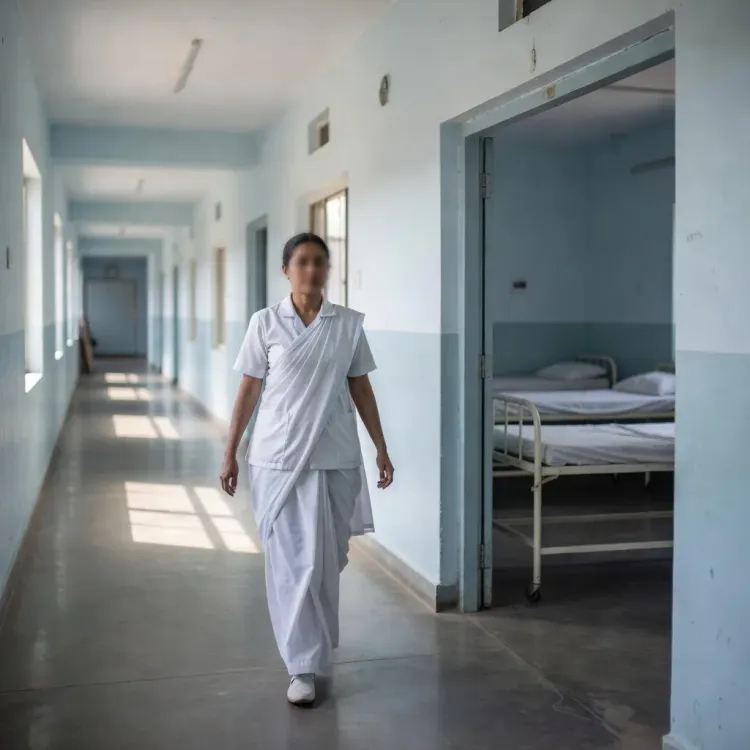
District hospitals across Rajasthan are getting dedicated de-addiction wards — and the state is making clear that treatment and enforcement will move in lockstep. The Chief Minister's Office of Rajasthan announced on Monday, 3 August 2026, that de-addiction wards are being established in district-level public hospitals under the Raj Savera programme, alongside a zero-tolerance crackdown on illegal narcotics trade.
The official post, attributed to Chief Minister Bhajan Lal Sharma, stated: 'Under the Raj Savera programme, de-addiction wards are being established in district hospitals, and strict action is being taken against illegal narcotics trade under a zero-tolerance policy.'
What Raj Savera is building inside district hospitals
The Raj Savera programme targets the ground level of Rajasthan's public health network — district hospitals that serve millions of rural and semi-urban patients who have no easy access to specialised facilities. By embedding de-addiction wards inside these existing institutions, the state aims to lower the barrier for anyone seeking help. No new campuses, no long referral chains — care where people already go. This approach mirrors a dual-track model several Indian states have adopted: expand treatment capacity while simultaneously tightening enforcement so supply and demand are squeezed from both ends.Zero tolerance and the NDPS Act backbone
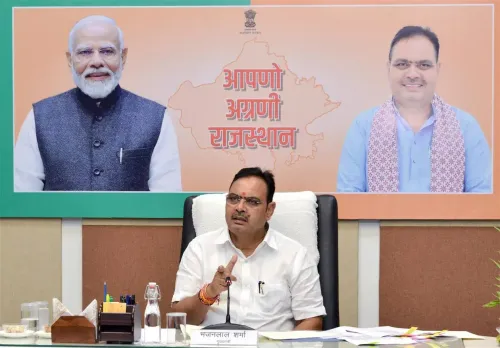
The enforcement side of the announcement invokes a posture consistent with the Narcotic Drugs and Psychotropic Substances Act, 1985, the central legislation under which state police and narcotics agencies pursue trafficking cases. Rajasthan's stated zero-tolerance policy signals that district-level enforcement machinery is being directed to treat drug trade not as a peripheral crime but as a priority target. Sharma, who has led the state as BJP Chief Minister since December 2023, has framed the initiative under the hashtag #आपणो_अग्रणी_राजस्थान ('Our Leading Rajasthan') — positioning this as part of a broader governance identity for his administration. The real test will come in the numbers: how many wards are operational, how many patients have been admitted, and whether enforcement data shows a measurable dent in trafficking networks. Those figures, when they arrive, will tell the fuller story.Point of View
The Bhajan Lal Sharma government is betting on reach over specialisation — a pragmatic call in a state where rural connectivity limits access to dedicated centres. The simultaneous zero-tolerance enforcement posture is politically useful, projecting toughness while the welfare side of the policy absorbs those who surrender to treatment. For a BJP administration looking to consolidate its first full year in power, pairing a visible health initiative with a law-and-order frame is a familiar playbook. The credibility of the entire exercise will hinge on whether ward capacity and enforcement data are made public — without that transparency, the announcement risks remaining a policy statement rather than a measurable programme.
NationPress
17 Sept 2026
Frequently Asked Questions
What is the Raj Savera programme in Rajasthan?
Raj Savera is a state-level initiative in Rajasthan under which de-addiction wards are being set up inside existing district hospitals to expand treatment access for those struggling with substance dependence.
Which hospitals are getting de-addiction wards in Rajasthan?
According to the Chief Minister's Office, district-level government hospitals across Rajasthan are being equipped with dedicated de-addiction wards under the Raj Savera programme.
What is Rajasthan's zero-tolerance drug policy?
The Rajasthan government has declared a zero-tolerance policy against illegal narcotics trade, meaning enforcement agencies are directed to take strict action against drug trafficking under the framework of the NDPS Act, 1985.
Who is the Chief Minister of Rajasthan in 2026?
Bhajan Lal Sharma of the BJP is the Chief Minister of Rajasthan, in office since December 2023.
What is the meaning of Raj Savera?
'Raj Savera' loosely translates to 'Rajasthan's Dawn' or 'the state's new morning' — it is the name given to the Rajasthan government's programme focused on de-addiction and public health outreach at the district level.