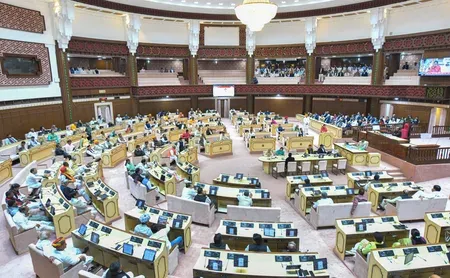
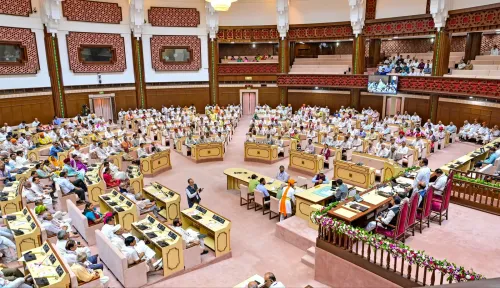
Rajasthan Assembly at 75: Sittings crash from 305 to 84 in 16th tenure
Synopsis
Rajasthan's Assembly turns 75 carrying a troubling stat: sittings have collapsed from 305 in the 1957–62 tenure to just 84 in the ongoing 16th Assembly. With Lok Sabha Speaker Om Birla and the Leader of Opposition both sounding the alarm at the Platinum Jubilee event, the crisis of shrinking legislative time has — for once — united both sides of the aisle.
Key Takeaways
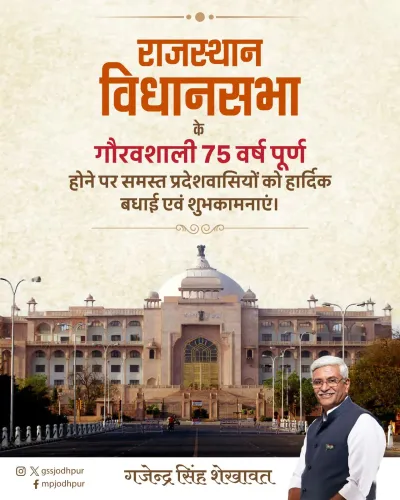
The Rajasthan Legislative Assembly is celebrating 75 years of democratic functioning in July 2025 .
Sittings peaked at 305 in the second Assembly (1957–1962) and have fallen to just 84 in the ongoing 16th Assembly .
The second Vidhan Sabha reportedly worked for over 1,600 hours ; the 15th Assembly came close to halving that figure.
Lok Sabha Speaker Om Birla called for more discussions, debates, and participation at the anniversary event.
Leader of Opposition Jully attributed the decline to every government, not any single party, and called for a mandatory increase in sittings.
Historic reforms — including Right to Information , abolition of sati pratha , and Panchayati Raj — trace their roots to robust Rajasthan Assembly debates.
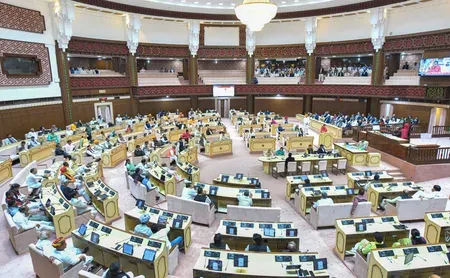
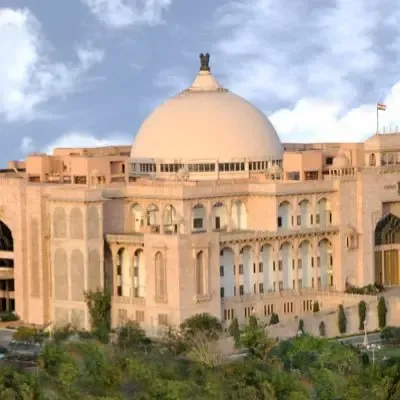
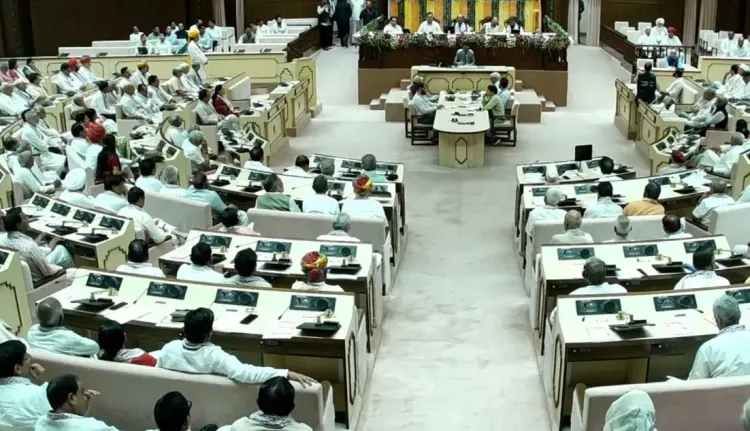
The Rajasthan Legislative Assembly, marking 75 years of democratic existence, is confronting an uncomfortable milestone: the number of sittings in the ongoing 16th Assembly has fallen to just 84 — a fraction of the 305 sittings recorded in the second Assembly (1957–1962), widely regarded as the high-water mark of legislative activity in the state. The shrinking calendar has triggered a cross-party debate over the erosion of deliberative democracy in one of India's largest states.
The Long Decline in Numbers
The early Assemblies set a demanding standard. The first Assembly (1952–1957) convened for 303 sittings, and the second surpassed it with 305. The third recorded 268, the fourth 242, and the fifth 200. A sharp contraction arrived with the sixth Assembly, which held only 115 sittings. Partial recoveries followed — 168 in the seventh and 180 in the eighth — but the overall trajectory remained downward. The ninth Assembly bottomed out at 95 sittings. Subsequent tenures ranged between 119 and 147, with the 15th Assembly recording 147. The 16th Assembly, still in progress, has so far held only 84 sittings.
What Fewer Sittings Actually Mean
Each sitting is a structured opportunity for legislators to question the government, scrutinise budgets, debate bills, and raise constituency grievances. According to officials, fewer sittings compress the time available for all of these functions, effectively reducing the government's exposure to parliamentary accountability. Notably, the second Vidhan Sabha reportedly functioned for more than 1,600 hours — a figure that the 15th Assembly came close to halving, according to statements made at the Platinum Jubilee event.
What Leaders Said
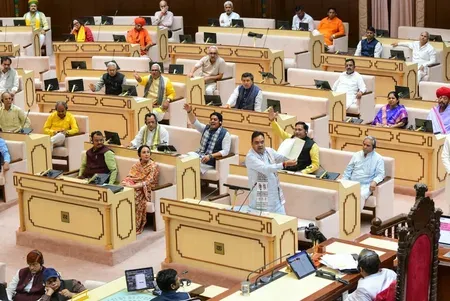
Lok Sabha Speaker Om Birla on Wednesday underscored the stakes at the Assembly's anniversary event. 'There should be more discussions, more debates and greater participation in the proceedings,' he said, adding that the strength of democracy depends on the quality of debate inside the House.
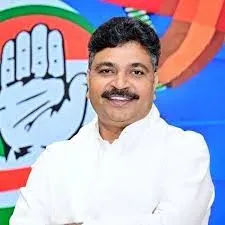
The Leader of Opposition in the Rajasthan Legislative Assembly, identified in reports as Jully, offered a pointed assessment. 'Our second Vidhan Sabha had the highest number of sittings, with 305 meetings, and it worked for more than 1,600 hours. In the 15th Vidhan Sabha, this has been reduced by nearly half. We need to think about this,' he said. Jully was careful to spread accountability across party lines: 'I am not talking about any one government because under every government, the role and functioning of the legislature has reduced.'
He also flagged a qualitative dimension to the problem. 'Bills have been passed amid disruptions; MLAs are not getting enough opportunities to speak, and members sometimes remain silent during debates. Gradually, the role of legislators in the legislative process is being weakened,' Jully said.
A Legacy Worth Defending
Jully recalled that Rajasthan's legislature had historically been a seedbed for nationally significant reforms — including measures related to the Right to Information, the abolition of sati pratha, Panchayati Raj restructuring, and street vendors' rights. That legislative heritage, he argued, makes the current decline all the more consequential.
This comes amid a broader national conversation about the health of state legislatures, several of which have seen sitting counts fall sharply over the past two decades. Rajasthan's case is notable for the scale of the drop — from over 300 sittings to fewer than 100 — and for the bipartisan acknowledgement that the trend must be reversed.
The Road Ahead
As the Assembly enters its Platinum Jubilee year, legislators and observers alike are calling for structural reforms — including a mandated minimum number of sittings per year — to restore the Assembly's role as the primary democratic forum for Rajasthan's citizens. Whether the political will exists to translate that consensus into action remains to be seen.
Point of View
But the more uncomfortable truth is the bipartisan shrug that has accompanied the decline. Every government since the sixth Assembly has presided over a shrunken legislative calendar, yet no government has legislated a minimum-sitting requirement. The Platinum Jubilee is a convenient moment for speeches — the real test is whether Rajasthan's legislators will push for structural reform, such as a constitutionally or procedurally mandated floor on annual sittings, rather than settling for applause lines about democratic heritage. Without enforceable accountability, the 17th Assembly may well set a new low.
NationPress
13 Oct 2026
Frequently Asked Questions
How many sittings has the Rajasthan Legislative Assembly held across its tenures?
The Assembly peaked at 305 sittings in the second tenure (1957–1962) and has recorded a long-term decline since. The ongoing 16th Assembly has held only 84 sittings so far, one of the lowest figures in the Assembly's 75-year history.
Why does the decline in Assembly sittings matter?
Fewer sittings mean less time for legislators to question the government, scrutinise budgets, debate legislation, and raise citizen grievances. Officials and political leaders have noted that the reduction effectively weakens parliamentary accountability and shrinks the democratic space available to elected representatives.
What did Lok Sabha Speaker Om Birla say at the Rajasthan Assembly's 75th anniversary?
Speaking at the Platinum Jubilee event on Wednesday, Lok Sabha Speaker Om Birla stressed that 'there should be more discussions, more debates and greater participation in the proceedings,' and linked the quality of legislative debate directly to the strength of democracy.
Is the decline in sittings linked to any particular political party?
No. Leader of Opposition Jully explicitly stated that the decline has occurred under every government, not any single party. He called for a non-partisan effort to increase the number of sittings and strengthen legislative participation across the board.
What reforms have historically emerged from the Rajasthan Assembly?
The Rajasthan Legislative Assembly has been the origin point for several nationally significant reforms, including measures related to the Right to Information, the abolition of sati pratha, Panchayati Raj restructuring, and street vendors' rights, according to statements made at the anniversary event.