Rajasthan CM hikes Kisan Samman Nidhi to ₹9,000 a year
Synopsis
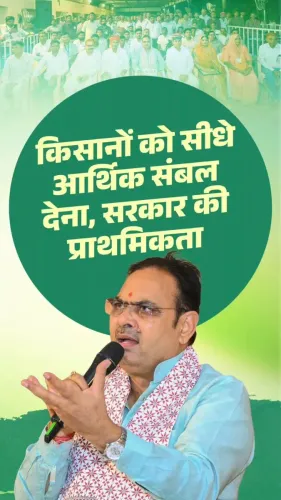
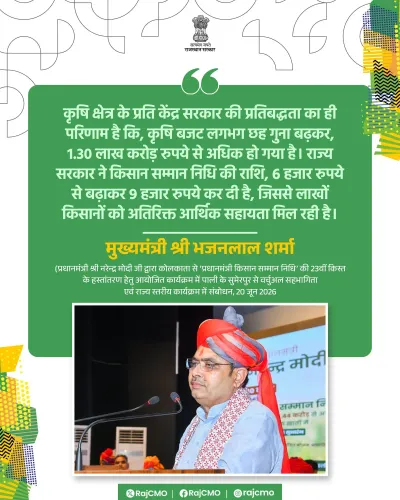
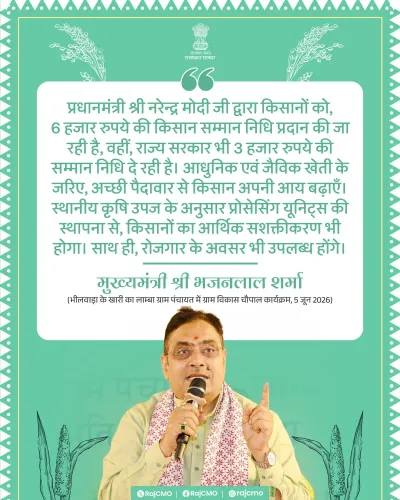
The Chief Minister's Office of Rajasthan announced on August 3, 2026 that the state Kisan Samman Nidhi has been hiked 50 percent — from ₹6,000 to ₹9,000 per year — to strengthen direct income support for farmers under CM Bhajanlal Sharma's BJP government.
Key Takeaways
Rajasthan's Kisan Samman Nidhi annual payout raised from ₹6,000 to ₹9,000 — a 50 percent increase .
The hike was announced by the Chief Minister's Office of Rajasthan on August 3, 2026 , attributed to CM Bhajanlal Sharma .
The central PM-KISAN scheme (launched 2019) provides the ₹6,000 baseline; the state is adding a top-up to reach ₹9,000.
The move is framed as annadata ke aarthik sashaktikaran — economic empowerment of farmers.
Implementation timeline, revised eligibility norms, and total beneficiary count have not yet been officially detailed.
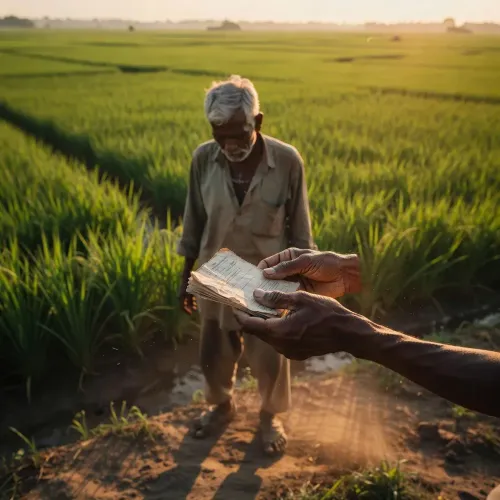
Rajasthan's farmers are getting a bigger safety net. The Chief Minister's Office of Rajasthan announced on Monday, August 3, 2026 that the state's Kisan Samman Nidhi — the annual direct cash transfer to farmers — has been raised from ₹6,000 to ₹9,000 per year, a 50 percent increase credited to Chief Minister Bhajanlal Sharma.
From ₹6,000 to ₹9,000 — what changed and why it matters
The central government's PM-KISAN scheme, launched in 2019, set the baseline: ₹6,000 per year delivered in three instalments directly into the bank accounts of eligible landholding farmer families. Rajasthan's announcement layers a state top-up onto that foundation, pushing the total annual support to ₹9,000. For a farmer household already stretched by input costs and erratic monsoons, that additional ₹3,000 is real money — roughly the cost of a bag of fertiliser or a week's daily wages.
The CMO framed the move explicitly as 'annadata ke aarthik sashaktikaran' — economic empowerment of the food-provider — invoking the reverent term for farmers that cuts across party lines in Indian political discourse. The hashtag #AapnoAgraniRajasthan ('Our Forward Rajasthan') signals the BJP government's branding of the state as a model of farmer welfare under Sharma's leadership.
Rajasthan's farmers and the politics of top-ups
Rajasthan is one of India's largest states by area, with a substantial share of its population dependent on agriculture — and on government support to cushion the volatility of rain-fed farming. Across India, state governments have periodically enhanced the central PM-KISAN floor with additional transfers, a pattern that reflects both genuine agricultural distress and the competitive logic of welfare politics.
Bhajanlal Sharma took office in December 2023 after the BJP returned to power in Rajasthan. Enhancing farmer income support is a visible, tangible signal to a rural constituency that delivered that mandate. The specific funding mechanism, implementation timeline, and revised beneficiary count for the ₹9,000 rate are yet to be detailed publicly.
What farmers — and watchers — should track next
The announcement sets the headline number. The harder questions come next: when does the enhanced rate kick in, which instalment cycle carries the increase, and does the state budget have the allocation locked in? Direct benefit transfer schemes live or die on execution — the promise of ₹9,000 becomes real only when it lands in a farmer's Jan Dhan account.
If the rollout is smooth, it hands the Sharma government a concrete, verifiable welfare achievement. If the transfers stall, the gap between the announcement and the deposit becomes its own story.
Point of View
000 to ₹9,000 fits a well-worn pattern in Indian welfare politics: state governments absorbing the cost of visibility by layering benefits onto central schemes, particularly where rural constituencies are electorally decisive. For CM Bhajanlal Sharma — who came to power in December 2023 on a wave of rural support — a concrete, quantifiable farmer-welfare win serves both governance and political optics. The real test, however, is execution: India's direct benefit transfer architecture is capable but not infallible, and the credibility of the announcement will ultimately be measured in bank-account credits, not press releases. Watchers should track whether the state budget formally earmarks the additional outlay and when the first enhanced instalment reaches farmers.
NationPress
3 Aug 2026
Frequently Asked Questions
What is the new Kisan Samman Nidhi amount in Rajasthan?
The Rajasthan government has increased the Kisan Samman Nidhi to ₹9,000 per year , up from the earlier ₹6,000, as announced by the Chief Minister's Office on August 3, 2026.
How is Rajasthan's Kisan Samman Nidhi different from PM-KISAN?
The central PM-KISAN scheme provides ₹6,000 per year to eligible farmers nationwide. Rajasthan is adding a state-level top-up to bring the total annual support to ₹9,000 for farmers in the state.
Who announced the Kisan Samman Nidhi hike in Rajasthan?
The hike was announced by the Chief Minister's Office of Rajasthan and is attributed to Chief Minister Bhajanlal Sharma of the BJP.
When will Rajasthan farmers receive the increased ₹9,000 amount?
The exact implementation date and instalment schedule for the enhanced ₹9,000 rate have not yet been officially confirmed by the state government.
Which farmers are eligible for the Rajasthan Kisan Samman Nidhi?
The scheme broadly targets landholding farmer families in Rajasthan, in line with PM-KISAN eligibility norms, though revised eligibility criteria for the enhanced amount have not yet been publicly detailed.