Rajasthan CMO credits Sambal Sakhis for last-mile welfare delivery
Synopsis
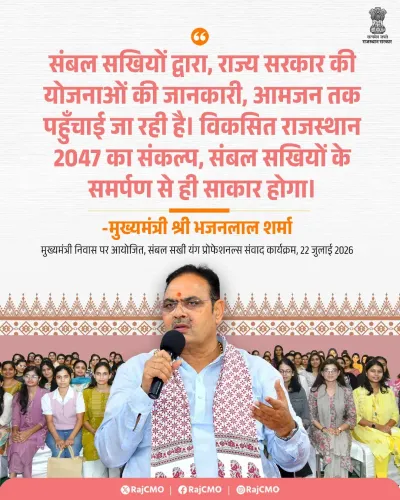
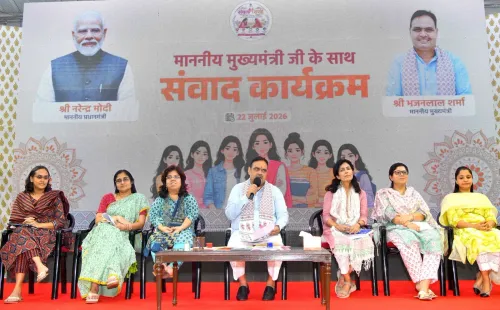
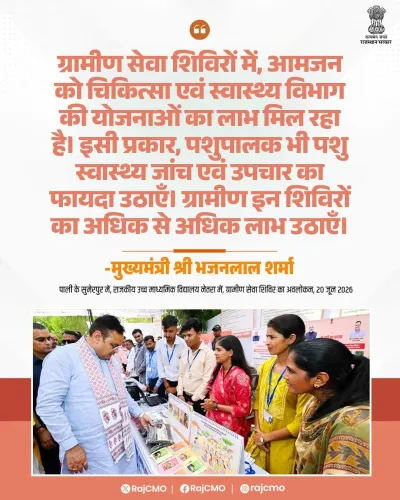
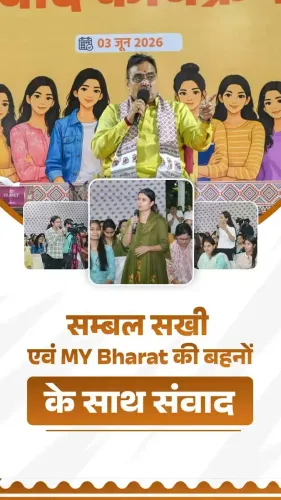
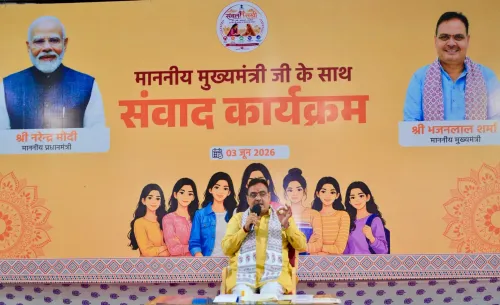
The Rajasthan Chief Minister's Office on 23 July 2026 credited Sambal Sakhis — community women volunteers — for their 'remarkable contributions' in reaching marginalised populations through Seva Shivirs and the Vande Ganga Abhiyan, underscoring the state's community-led last-mile welfare delivery model.
Key Takeaways
The Rajasthan CMO on 23 July 2026 publicly acknowledged the role of Sambal Sakhis in welfare outreach.
Sambal Sakhis have worked through Seva Shivirs and the Vande Ganga Abhiyan to reach the last person in society.
The post tagged Chief Minister Bhajan Lal Sharma , signalling top-level endorsement of the community volunteer model.
Rajasthan's women-led last-mile delivery model has roots in the Bhamashah Yojana launched in 2008 .
District-level enrolment data from service camps will be a key metric for assessing the programme's real-world impact.
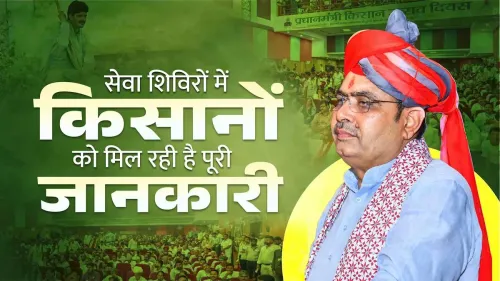
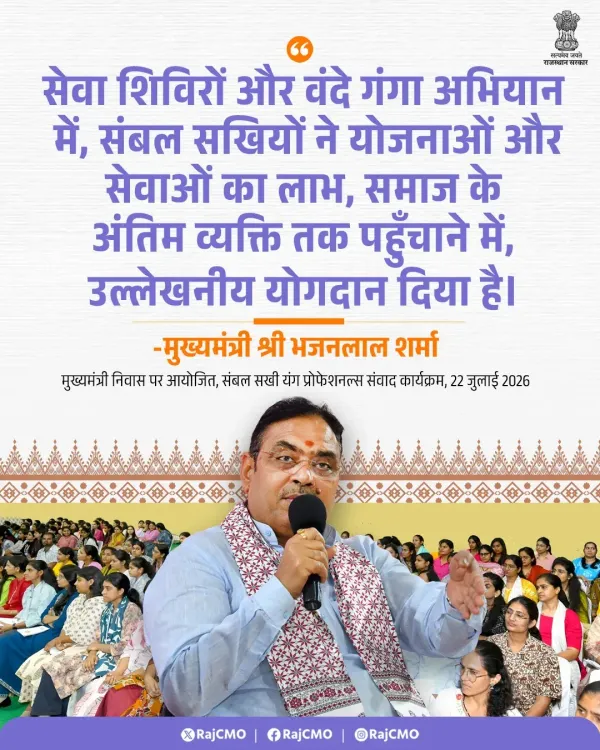
The Chief Minister's Office of Rajasthan on Thursday, 23 July 2026 acknowledged the role of Sambal Sakhis — community women volunteers — in extending government scheme benefits to the last person in society through Seva Shivirs (service camps) and the Vande Ganga Abhiyan.
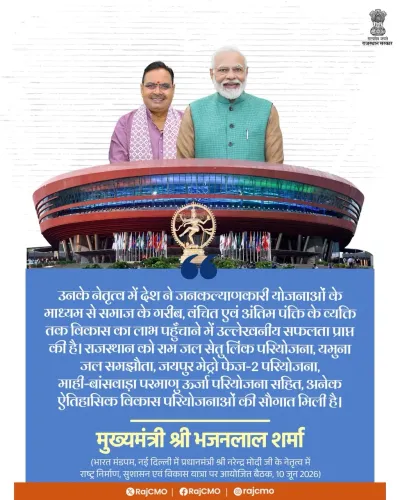
The post, tagging Chief Minister Bhajan Lal Sharma and carrying the hashtag #आपणो_अग्रणी_राजस्थान ('Our Leading Rajasthan'), stated that Sambal Sakhis have made 'remarkable contributions in delivering the benefits of schemes and services to the last person in society.'
Context
Sambal Sakhis are trained women community workers deployed by the Rajasthan government to bridge the gap between welfare schemes and marginalised beneficiaries at the grassroots level. Their work spans awareness drives, enrolment assistance, and on-ground facilitation at Seva Shivirs — periodic government-run service camps held across the state.
The Vande Ganga Abhiyan is one of the outreach programmes under which these volunteers have been active, working to ensure that remote and underserved communities are connected to the state's welfare infrastructure.
Policy Backdrop
Rajasthan has a long history of using trained local women workers to improve scheme penetration. The state's Bhamashah Yojana, launched in 2008, was an early effort to put women at the centre of financial inclusion and direct benefit transfers, establishing a precedent for women-led last-mile delivery.
The current BJP government, in power since December 2023 under Chief Minister Bhajan Lal Sharma, has continued and expanded this model. Periodic public recognition of community volunteers is part of the administration's broader communication strategy to demonstrate scheme effectiveness and grassroots reach.
Stakeholders and Impact
The primary beneficiaries of this model are marginalised households in remote areas of Rajasthan — communities that have historically faced barriers to accessing government welfare due to distance, literacy gaps, or lack of information. Sambal Sakhis serve as the human interface between the state and these populations.
For the women volunteers themselves, the role provides social standing, structured engagement with governance, and, in many cases, livelihood support. The model also reinforces national priorities around inclusive governance and efficient welfare delivery.
What's Next
District-level data on scheme enrolment figures from recent Seva Shivirs and the Vande Ganga Abhiyan will be a key indicator of the actual impact of Sambal Sakhis' work on the ground. Any expansion of such volunteer networks — in terms of numbers, training, or remuneration — is likely to feature in forthcoming state budget discussions.
The public acknowledgement from the CMO signals that community-based last-mile delivery will remain a central plank of Rajasthan's welfare administration under the current government, with Sambal Sakhis positioned as a model worth scaling.
Point of View
Dating to the Bhamashah era, but the current government is clearly investing in its political salience. The forward signal is that Sambal Sakhis could be expanded and institutionalised as a signature programme ahead of future electoral cycles.
NationPress
23 Jul 2026
Frequently Asked Questions
Who are Sambal Sakhis in Rajasthan?
Sambal Sakhis are trained community women volunteers deployed by the Rajasthan government to help marginalised and remote populations access government welfare schemes and services at the grassroots level.
What is the Vande Ganga Abhiyan in Rajasthan?
Vande Ganga Abhiyan is a government outreach programme in Rajasthan under which Sambal Sakhis and other community workers have been active in connecting underserved communities to state welfare infrastructure.
What are Seva Shivirs in Rajasthan?
Seva Shivirs are periodic government-run service camps held across Rajasthan where citizens can access scheme enrolment, documentation, and other welfare services, often facilitated by community volunteers like Sambal Sakhis.
Who is Bhajan Lal Sharma?
Bhajan Lal Sharma is a BJP politician who has been serving as the Chief Minister of Rajasthan since December 2023, following the party's victory in the 2023 state assembly elections.
What is the Bhamashah Yojana?
Bhamashah Yojana was a financial inclusion scheme launched by the Rajasthan government in 2008 that put women at the centre of direct benefit transfers, establishing an early model for women-led welfare delivery in the state.