Rajasthan CMO orders police deployment at markets, religious sites
Synopsis
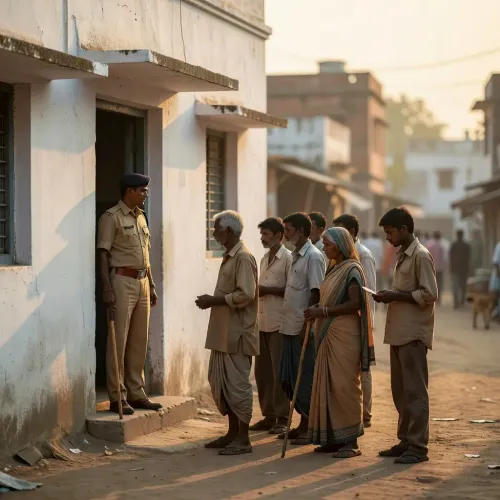
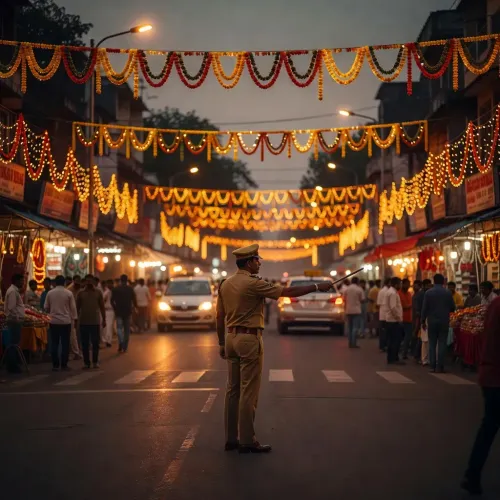
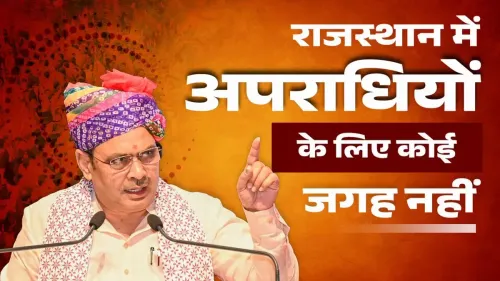
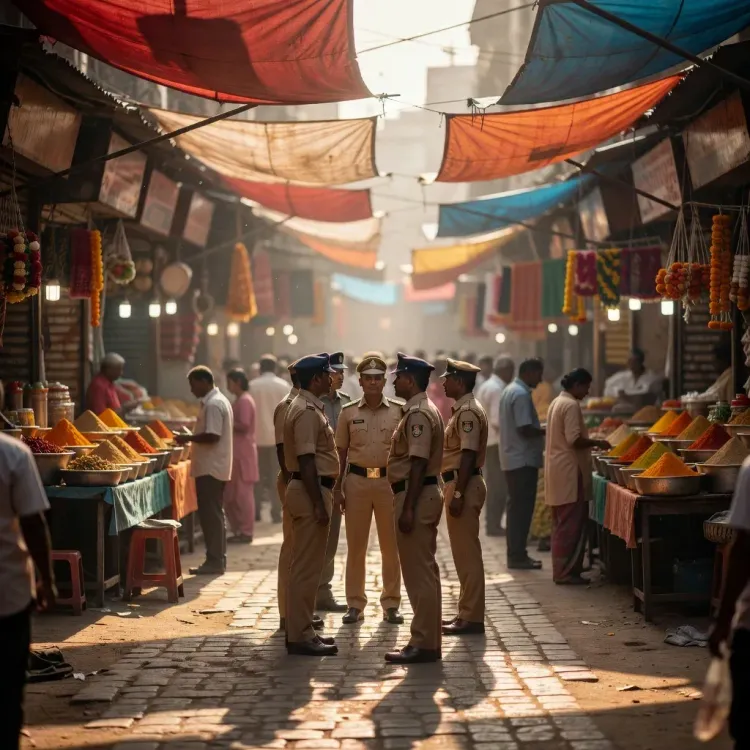
The Chief Minister's Office of Rajasthan publicly directed CM Bhajan Lal Sharma on 4 November 2026 to deploy adequate police at major markets, religious sites, bus stands, railway stations, and other crowded public spaces across the state.
Key Takeaways
The Rajasthan CMO issued a public directive on 4 November 2026 demanding enhanced police deployment at high-footfall venues.
Five location categories are explicitly named: major markets, religious sites, bus stands, railway stations, and other crowded places .
The directive is addressed directly to Chief Minister Bhajan Lal Sharma of the BJP , making it a public accountability communication.
Rajasthan's 33 districts and major pilgrimage corridors make such a statewide order a significant logistical exercise for state police.
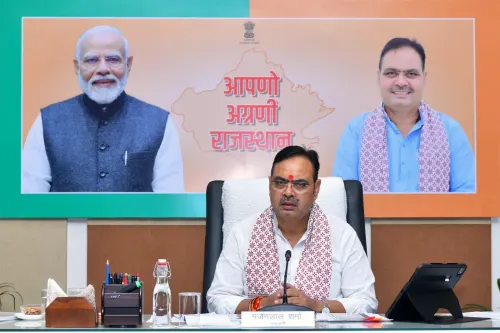
The post carries the #आपणो_अग्रणी_राजस्थान hashtag, the CMO's signature proactive-governance branding.
Follow-through depends on district-level Superintendents of Police issuing formal deployment orders.
Ahead of the busy November calendar — packed with religious observances, weekly bazaars, and peak footfall at transit hubs — the Chief Minister's Office of Rajasthan issued a pointed public-safety directive on Wednesday, 4 November 2026, demanding adequate police force be deployed at crowded spaces across the state.
The post, addressed directly to Chief Minister Bhajan Lal Sharma (@BhajanlalBjp), lays out the specific locations that must be covered: 'प्रमुख बाजारों, धार्मिक स्थलों, बस स्टैंड, रेलवे स्टेशन तथा अन्य भीड़भाड़ वाले स्थानों पर, पर्याप्त पुलिस बल की तैनाती सुनिश्चित की जाए' — meaning: 'Adequate police force deployment must be ensured at major markets, religious sites, bus stands, railway stations, and other crowded locations.' Short. Direct. Non-negotiable in tone.What the directive covers — and why these five locations
Markets, religious sites, bus stands, railway stations, and high-footfall public spaces are the five categories named. These are not arbitrary. Each represents a category of venue where crowd density spikes predictably — festivals draw pilgrims, weekly bazaars draw shoppers, and transport hubs funnel movement from every corner of the state. In India's law-and-order playbook, these are the first five checkboxes any state home department ticks when issuing a crowd-management advisory.
Rajasthan spans 33 districts and contains some of North India's busiest pilgrimage corridors — from Pushkar and Ajmer Sharif to Nathdwara and Karni Mata temple in Bikaner. Its rail and road network handles millions of passengers weekly. A directive like this, once actioned by district police superintendents, translates into hundreds of additional personnel shifts across the state.
Bhajan Lal Sharma's BJP government and the 'Aapno Agrani Rajasthan' pitch
Bhajan Lal Sharma was sworn in as Chief Minister after the Bharatiya Janata Party's victory in the 2023 Rajasthan assembly elections, ending the Congress government led by Ashok Gehlot. His administration has consistently framed law-and-order improvement as a core governance deliverable — the hashtag #आपणो_अग्रणी_राजस्थान (meaning 'Our Leading Rajasthan') is the CMO's signature branding for proactive governance communications.
Directing the CM personally via an official CMO post — rather than a standard home-department circular — signals that this is meant to be read as a political accountability message: the top office is watching, and district administrations are expected to act visibly and fast.
The next concrete marker to watch: whether district Superintendents of Police issue deployment orders publicly, and whether the Rajasthan Home Department follows up with a formal notification. When those steps happen, the directive moves from announcement to action.
Point of View
Accountable political commitment by the Bhajan Lal Sharma government. This fits a broader BJP pattern of using official social handles to broadcast directives that double as proof of proactive governance. The real test, however, is always at the district level: whether police superintendents mobilise resources swiftly enough to match the public promise.
NationPress
4 Nov 2026
Frequently Asked Questions
Why did the Rajasthan CMO issue a police deployment order?
The Chief Minister's Office of Rajasthan issued the directive on 4 November 2026 to ensure adequate police presence at crowded public venues including markets, religious sites, bus stands, and railway stations — a standard public-safety measure that state governments deploy periodically, especially around high-footfall periods.
Which locations are covered by the Rajasthan police deployment order?
The directive specifically names major markets, religious sites, bus stands, railway stations, and other crowded public spaces across Rajasthan as locations where sufficient police force must be deployed.
Who is Bhajan Lal Sharma?
Bhajan Lal Sharma is the Chief Minister of Rajasthan from the Bharatiya Janata Party, sworn in following the BJP's victory in the 2023 Rajasthan assembly elections.
What does 'Aapno Agrani Rajasthan' mean?
'Aapno Agrani Rajasthan' translates from Rajasthani/Hindi as 'Our Leading Rajasthan' and is the Rajasthan CMO's hashtag branding for its proactive governance communications on social media.
How is the Rajasthan CMO's directive implemented on the ground?
Once the CMO issues such an order, district Superintendents of Police across Rajasthan's 33 districts are expected to translate it into concrete deployment schedules, with the state Home Department typically following up through formal notifications.