CM Bhajanlal Govt Claims Cooperative Revival Across Rajasthan Villages
Synopsis
The Chief Minister's Office of Rajasthan declared on 29 September 2026 that the Bhajanlal Sharma government has eliminated corruption in the cooperative sector and reactivated cooperative societies down to the gram panchayat level, continuing the BJP's post-2023 anti-corruption and rural outreach messaging.
Key Takeaways
The Chief Minister's Office of Rajasthan posted on 29 September 2026 claiming elimination of corruption in the state's cooperative sector.
CM Bhajanlal Sharma 's government, in office since December 2023 , says cooperative societies have been activated up to the gram panchayat level.
Rajasthan has an extensive rural cooperative network covering credit, dairy and agricultural input supply critical to farmers.
The Rajasthan Cooperative Societies Act was amended in the 2000s for greater autonomy, but implementation gaps have historically persisted.
Specific measures and verified scale of activation at panchayat level have not been independently confirmed from public records.
Budget allocations and assembly data on elections, loans and membership will be the real benchmarks of cooperative revival.
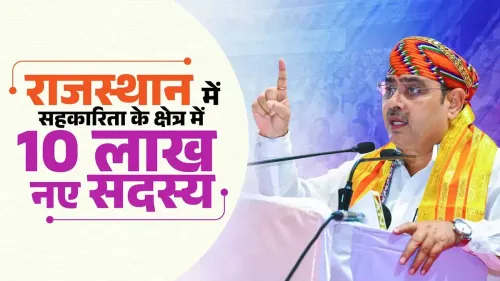
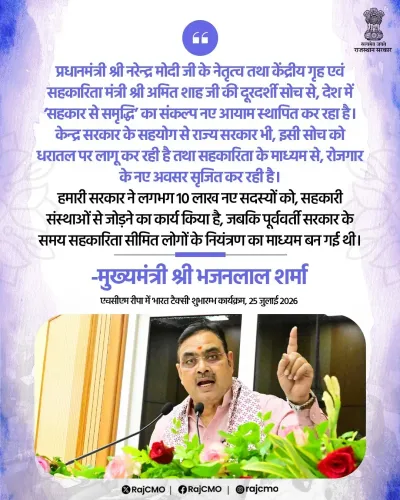
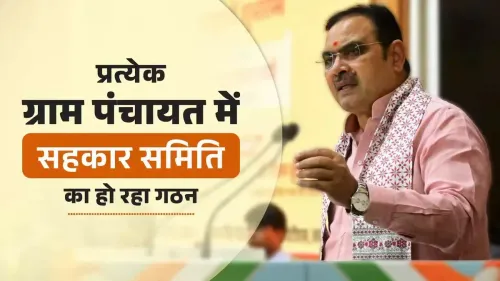
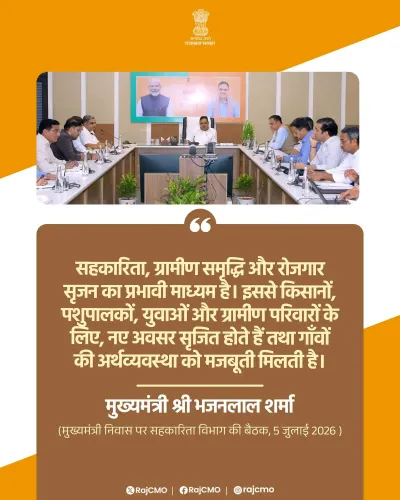
A quiet but politically charged claim landed from Jaipur on Tuesday morning: the Chief Minister's Office of Rajasthan declared that the Bhajanlal Sharma government has eliminated corruption from the state's cooperative sector and reactivated cooperative societies all the way down to the gram panchayat level — the very grassroots tier where rural credit, dairy and agriculture inputs reach India's farmers first.
The post, shared on 29 September 2026, reads: 'Hamari sarkar ne sahkarita kshetra mein bhrashtachar ko samapt kar, gram panchayat star tak sahkari samitiyon ko sakriya kiya hai' ('Our government has ended corruption in the cooperative sector and activated cooperative societies up to the gram panchayat level'), tagged to Chief Minister @BhajanlalBjp under the hashtag #AapnoAgraniRajasthan.Why Rajasthan's Cooperative Network Matters
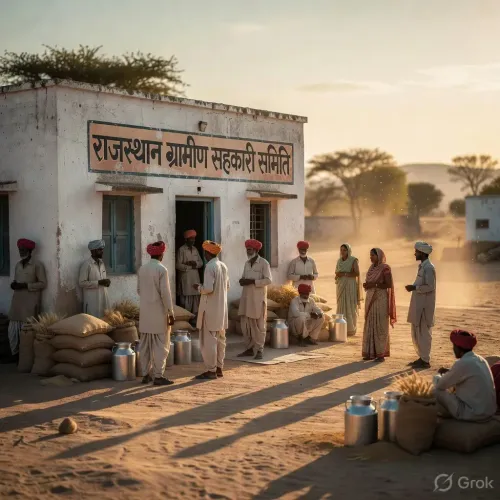
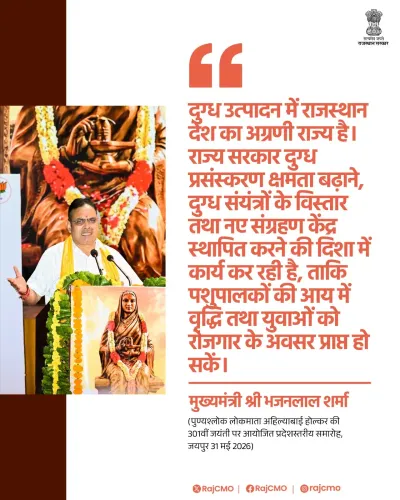
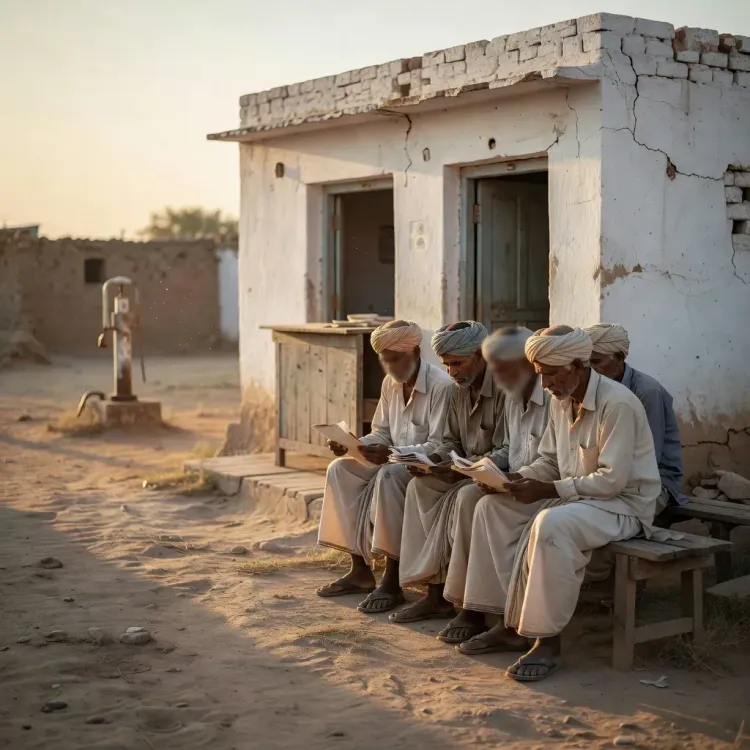
Rajasthan runs one of the country's more extensive rural cooperative networks, stretching across credit societies, dairy federations and agricultural input cooperatives in a state where a large share of the population depends on farming. Village-level primary cooperative societies are, in principle, the first port of call for a farmer seeking a crop loan or subsidised seed — but decades of political interference and poor governance had left many of these bodies either dormant or captured by local power brokers.
The Rajasthan Cooperative Societies Act was amended in the early 2000s to push for greater autonomy and regular elections within cooperative bodies, yet critics and reform advocates have long argued that intent and implementation remained far apart. The gap between a functioning society on paper and one that actually disburses credit at the panchayat level is wide — and expensive for the farmers caught in it.
Anti-Corruption Messaging at the Heart of BJP's Rural Outreach
The BJP government that came to power in December 2023 — ending the previous Congress tenure — made anti-corruption positioning a central pillar of its electoral pitch. Eighteen months in, messages like Tuesday's are doing double duty: reassuring rural constituencies that institutional reform is underway, while drawing a contrast with the predecessor administration. This mirrors a pattern visible in several other BJP-ruled states, where cooperative bodies have been repositioned as vehicles for direct service delivery at the panchayat level rather than as arenas of factional patronage.
The broader significance, if the claim holds, is structural: a functioning primary cooperative at every gram panchayat would mean rural credit and input access without the detour through district-level intermediaries — a genuine quality-of-life shift for small and marginal farmers across Rajasthan's vast rural belt.
What Remains to Be Measured
The specific anti-corruption measures taken, and the precise scale of society activation since 2023, have not been independently documented in available public records. The real test will come in state budget allocations to the cooperative department and in whether assembly questions surface data on elections held, loans disbursed and active membership figures at panchayat-level societies — the numbers that separate a governance headline from a governance reality.
For now, Rajasthan's farmers are the ones waiting to see whether a reactivated cooperative society means an open door — or just a new signboard.
Point of View
Without verifiable data on loan disbursements, active membership and elections held, the claim remains aspirational rhetoric. The real test arrives when state assembly sessions scrutinise cooperative department budgets and performance metrics.
NationPress
29 Sept 2026
Frequently Asked Questions
What did the Rajasthan CM Office post about cooperatives on 29 September 2026?
The Chief Minister's Office of Rajasthan claimed that the Bhajanlal Sharma government has ended corruption in the cooperative sector and reactivated cooperative societies up to the gram panchayat level across the state.
Who is the current Chief Minister of Rajasthan in 2026?
Bhajanlal Sharma of the BJP is the Chief Minister of Rajasthan, having assumed office in December 2023 after the party's assembly election victory.
What are cooperative societies and why do they matter to Rajasthan's farmers?
Cooperative societies are village-level bodies that provide credit, agricultural inputs and marketing support to farmers. In Rajasthan, a state heavily dependent on agriculture, these societies are a crucial first point of access for crop loans and subsidised supplies.
What is gram panchayat-level cooperative activation?
It refers to making primary cooperative societies functional at the gram panchayat — India's lowest unit of local self-government — so that rural farmers can access services without travelling to district or block-level offices.
Has corruption in Rajasthan's cooperative sector been independently verified as eliminated?
No. The specific measures taken and the scale of activation since 2023 have not been independently documented in available public records; the claim comes from the government's own official social media account.