CM Bhajanlal Govt Prioritises Power, Water for Last-Mile Rajasthan
Synopsis
The Chief Minister's Office of Rajasthan announced on 25 June 2026 that the Bhajan Lal Sharma government is prioritising electricity, water, and civic services to deliver relief to last-mile citizens, invoking the 'Aapno Agrani Rajasthan' development vision.
Key Takeaways
The Chief Minister's Office of Rajasthan posted on 25 June 2026 reaffirming the state government's focus on last-mile infrastructure delivery.
Chief Minister Bhajan Lal Sharma , in office since December 2023 , is named as the driving force behind the initiative.
Priority areas cited include electricity, water supply , and broader civic services across Rajasthan .
The post aligns with national schemes such as the Jal Jeevan Mission (2019) and the state-level Mukhya Mantri Jal Swavalamban Abhiyan (2016).
The hashtag #आपणो_अग्रणी_राजस्थान ('Our Leading Rajasthan') frames the communication within a broader state development branding effort.
Progress on these commitments is expected to be assessed through upcoming Rajasthan assembly session budget and scheme reports.
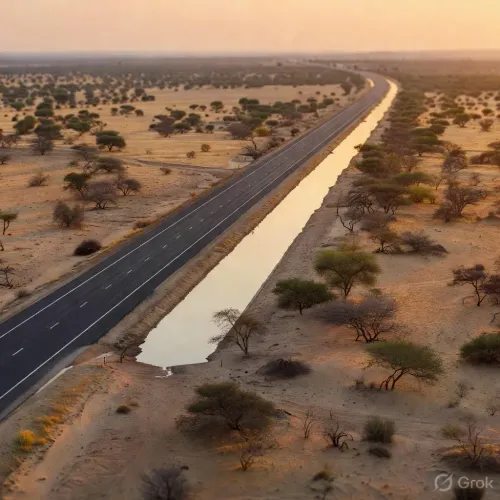
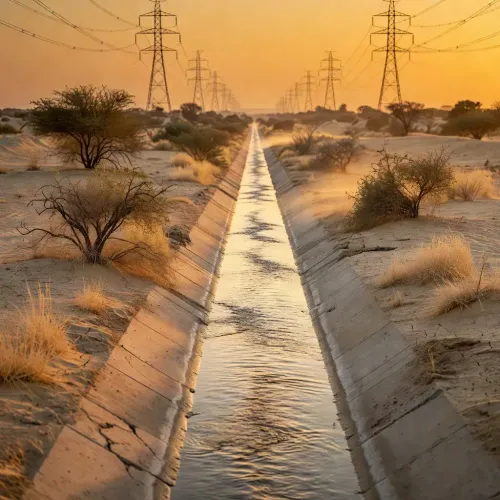
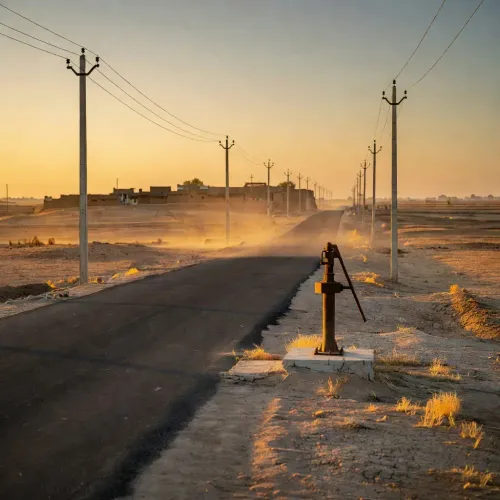
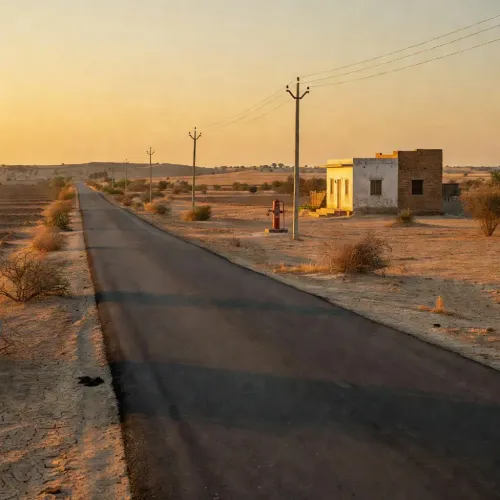
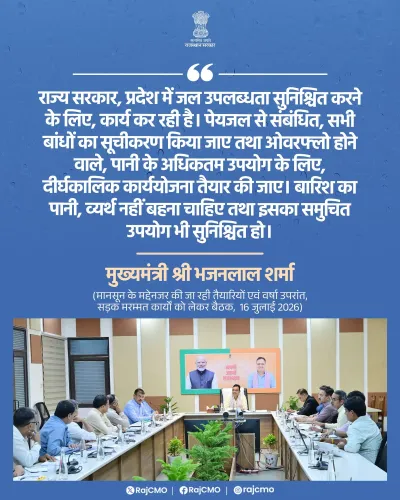
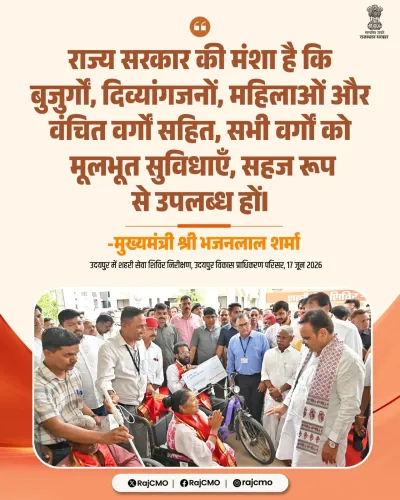
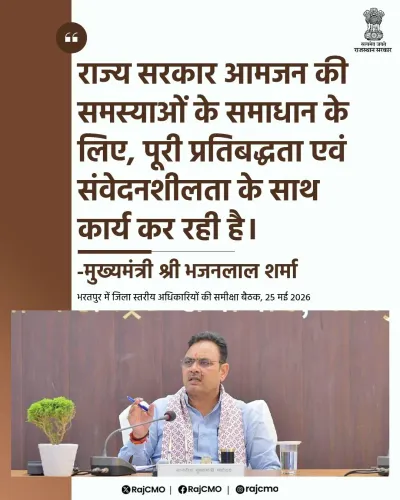
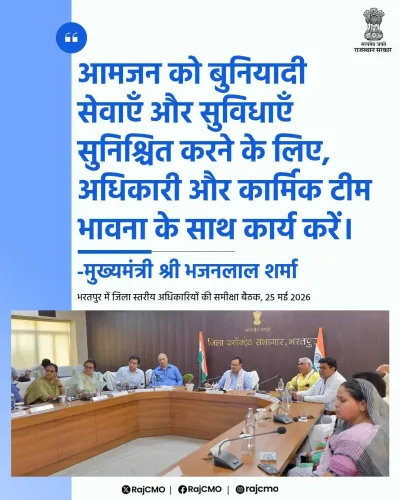
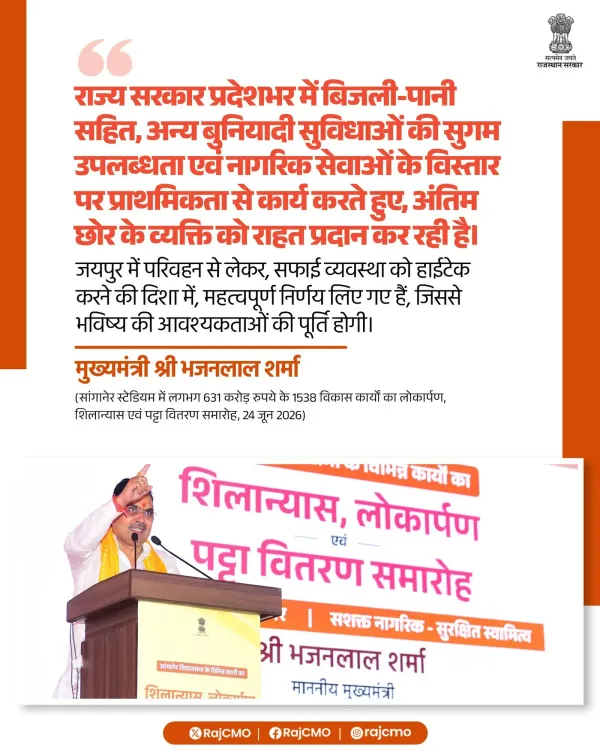
The Chief Minister's Office of Rajasthan reaffirmed on Thursday, 25 June 2026 that the state government is working on a priority basis to ensure easy access to electricity, water, and other basic infrastructure across Rajasthan, with a focus on delivering relief to citizens at the last mile. The post, attributed to Chief Minister Bhajan Lal Sharma, was shared under the hashtag #आपणो_अग्रणी_राजस्थान ('Our Forward-Looking Rajasthan').
Context
The official post states that the state government is 'praathamikta se karya karte hue, antim chhore ke vyakti ko rahat pradan kar rahi hai' — working with priority to provide relief to the person at the farthest end. The emphasis on bijli-paani (electricity and water) alongside broader civic services signals a governance communication aimed at underscoring grassroots delivery under the Bhajan Lal Sharma-led administration, which took office in December 2023.
The hashtag translates loosely as 'Our Leading Rajasthan,' framing the government's outreach within a broader branding effort for the state's development trajectory.
Policy Backdrop
Rajasthan has been a beneficiary of the Jal Jeevan Mission, the national programme launched in 2019 to provide functional household tap connections to rural homes. The state has also run the Mukhya Mantri Jal Swavalamban Abhiyan, initiated in 2016, which focuses on water conservation and harvesting structures across districts.
On the electricity front, successive state and central schemes have targeted rural electrification over the past decade, with BJP-governed states framing such infrastructure rollout as a core governance priority. The current administration inherits and continues this policy lineage, seeking to converge central funding with state-level implementation.
Stakeholders and Impact
The primary beneficiaries of these initiatives are rural households and citizens in remote areas of Rajasthan — a geographically large state where last-mile connectivity for utilities has historically been a challenge. Access to reliable electricity and clean water directly affects agricultural productivity, women's safety, public health, and educational outcomes.
The government's stated focus on 'nagrik sevaon ka vistar' (expansion of citizen services) suggests the push extends beyond utilities to include administrative and welfare services reaching underserved populations across the state's 33 districts.
What's Next
Concrete progress on these commitments is expected to be reflected in Rajasthan's upcoming budget allocations and physical progress reports presented during assembly sessions. Monitoring of household tap-connection targets under Jal Jeevan Mission and electrification coverage data will be key indicators of whether the administration's stated priorities translate into measurable outcomes on the ground.
The government's continued use of social media to communicate infrastructure goals suggests an active effort to build public accountability around service delivery ahead of future electoral cycles in the state.
Point of View
Citizen-facing achievement. By invoking the 'antim chhore ke vyakti' (last-mile citizen) framing, the government is drawing on a well-established political vocabulary that resonates in rural Rajasthan, where electricity and water shortfalls have historically shaped electoral outcomes. The post's alignment with central schemes like Jal Jeevan Mission also signals an effort to claim credit for convergence between Delhi's funding and Jaipur's implementation. Whether this communication translates into verifiable physical progress will be tested when assembly-session data on scheme coverage is made public.
NationPress
24 Sept 2026
Frequently Asked Questions
What is the Rajasthan government doing for electricity and water supply?
The Rajasthan government under Chief Minister Bhajan Lal Sharma is working on a priority basis to ensure easy access to electricity, water, and other basic civic services across the state, with a particular focus on reaching citizens at the last mile.
What is Jal Jeevan Mission in Rajasthan?
Jal Jeevan Mission is a national programme launched in 2019 to provide functional household tap connections to rural homes. Rajasthan has been an active implementation state under this scheme, aiming to improve drinking water access for rural households.
Who is Bhajan Lal Sharma?
Bhajan Lal Sharma is a BJP politician who has served as Chief Minister of Rajasthan since December 2023. He leads the state government currently focused on infrastructure expansion and last-mile citizen service delivery.
What does 'Aapno Agrani Rajasthan' mean?
'Aapno Agrani Rajasthan' translates from Rajasthani and Hindi as 'Our Leading Rajasthan.' It is a branding hashtag used by the state government to communicate its development and governance vision.
What is Mukhya Mantri Jal Swavalamban Abhiyan?
Mukhya Mantri Jal Swavalamban Abhiyan is a Rajasthan state scheme initiated in 2016 focused on water conservation and the construction of water harvesting structures across districts to improve water self-sufficiency at the village level.