Rajasthan HC quashes criminal case against ex-Gujarat Guv Kamla Beniwal
Synopsis
The Rajasthan High Court has ended criminal proceedings against late former Gujarat Governor Kamla Beniwal and 16 others, ruling that a ₹400 crore land dispute rooted in 1950s lease rights belongs in civil and revenue courts — not a criminal dock. The judgment draws a firm line against using criminal law to relitigate property disputes.
Key Takeaways
The Rajasthan High Court quashed criminal proceedings against late Kamla Beniwal , former Governor of Gujarat , and 16 other accused.
The bench, led by Justice Ganesh Ram Meena , held that land rights disputes over lease, ownership, and khatedari rights fall under civil and revenue jurisdiction, not criminal law.
The court set aside both the trial court's cognisance order of 15 May 2014 and the Additional District Judge's revisional order.
The disputed land in Jhotwara, Jaipur was allegedly worth around ₹400 crore ; the original complaint was filed on 16 August 2012 .
Civil and revenue proceedings across multiple forums — including tenancy rights from 1958 and JDA compensation references — remain pending.
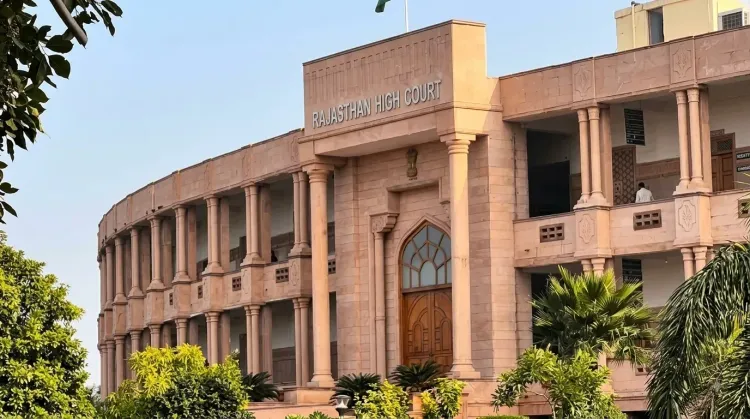
The Rajasthan High Court has quashed criminal proceedings against late Kamla Beniwal, former Governor of Gujarat, and 16 other accused in a case involving alleged irregularities in the allotment and compensation of government land in Jaipur. The ruling, delivered by a bench headed by Justice Ganesh Ram Meena, brings a decade-long criminal dispute to a close.
What the Court Ruled
The High Court held that disputes concerning land rights — specifically lease, ownership, and khatedari rights over agricultural land — fall squarely within civil and revenue jurisdictions. The bench observed that converting such disputes into criminal proceedings would amount to an abuse of the process of law.
The court set aside the trial court's order taking cognisance of the case, as well as a subsequent revisional order passed by the Additional District Judge (ADJ). It further noted that unless competent civil or revenue courts set aside the rights in question, allegations of fraud and forgery based on those rights cannot be sustained in criminal proceedings.
Background of the Land Dispute
The case traces its origins to a government scheme introduced in 1951 that leased unused agricultural land for cultivation over a period of 20 years, later extended to 25 years, after which the land was to revert to the state. On 5 January 1953, land in Jhotwara was allotted to the Rajendra Singh and Others Kisan Collective Farming Cooperative Society.
The complainant, Sanjay Kishore Agarwal, alleged in his 16 August 2012 complaint that the society was registered only on 13 February 1953 — after the allotment — and that members later obtained khatedari rights based on allegedly incorrect information. The government reportedly did not reclaim the land after the stipulated lease period expired.
The JDA Acquisition and Compensation Allegations
The Jaipur Development Authority (JDA) subsequently issued a notification to acquire the land for the Prithviraj Nagar scheme. Under the proposed compensation arrangement, society members were offered 15 per cent of the developed land in exchange for the acquired land.
An Additional Registrar (Cooperatives) reportedly observed that members were attempting to claim compensation based on allegedly false or incorrect information. The complaint further alleged that none of the persons claiming compensation was among the society's original members. The disputed land was alleged to be worth around ₹400 crore.
How the Criminal Case Unfolded
The Kardhani police station had initially submitted a Final Report effectively closing the case. The complainant then filed a protest petition, after which the trial court took cognisance on 15 May 2014 and ordered prosecution of Beniwal and the other accused. The accused challenged this before the ADJ, but the revisional court declined to interfere.
The accused thereafter moved the Rajasthan High Court seeking quashing of both orders. Pending before various legal forums are questions relating to tenancy rights granted to the petitioners in 1958, the JDA's acquisition of the land, and the distribution of compensation under the Land Revenue Act.
Significance of the Ruling
The judgment reinforces a well-established legal principle that civil and revenue disputes cannot be dressed up as criminal matters to exert pressure on opposing parties. With the High Court's order, all criminal proceedings against the accused stand terminated, though the underlying civil and revenue disputes across multiple forums reportedly remain pending.
Point of View
Then cognisance, then a revisional challenge — is a well-worn litigation tactic that the High Court has now firmly shut down. What remains unresolved, however, is the civil and revenue tangle over 1950s lease rights and JDA compensation, which could drag on across multiple forums for years. The judgment protects the accused from criminal jeopardy but does not settle the underlying question of who legitimately holds rights over land now alleged to be worth ₹400 crore.
NationPress
26 Sept 2026
Frequently Asked Questions
What was the criminal case against Kamla Beniwal about?
The case alleged irregularities in the allotment and compensation of government land in Jhotwara, Jaipur, involving a cooperative society and land reportedly worth around ₹400 crore. The complaint, filed on 16 August 2012, alleged that society members obtained khatedari rights on false information and improperly claimed compensation from the Jaipur Development Authority.
Why did the Rajasthan High Court quash the criminal proceedings?
The court held that the dispute fundamentally concerns lease, ownership, and khatedari rights over agricultural land, which fall within civil and revenue jurisdictions. It ruled that converting such disputes into criminal proceedings would amount to an abuse of the process of law.
What orders did the High Court set aside?
The High Court set aside the trial court's cognisance order of 15 May 2014 and the subsequent revisional order of the Additional District Judge, which had declined to interfere with the Magistrate's decision to prosecute the accused.
Are all proceedings in the land dispute now over?
The criminal proceedings have been terminated, but the underlying civil and revenue disputes remain pending before multiple forums. These include questions over tenancy rights granted in 1958, the JDA's land acquisition, and compensation distribution under the Land Revenue Act.
Who filed the original complaint and when?
Sanjay Kishore Agarwal filed the complaint on 16 August 2012. The Kardhani police station had initially submitted a Final Report closing the case, but Agarwal filed a protest petition that led the trial court to take cognisance in May 2014.