Rajasthan launches Sondh Mati tribal heritage documentation scheme
Synopsis
The Chief Minister's Office of Rajasthan has launched the Sondh Mati Aadi Dharohar Pralelkhan Yojana to document and preserve the cultural heritage of tribal communities including the Bhil, Mina and Garasia, under Chief Minister Bhajan Lal Sharma's government.
Key Takeaways
The Sondh Mati Aadi Dharohar Pralelkhan Yojana was announced by the Chief Minister's Office of Rajasthan on 16 November 2026 .
The scheme targets conservation and promotion of tribal communities' cultural heritage, including oral traditions, art forms and customs.
Bhil, Mina and Garasia are among Rajasthan's major tribal communities whose traditions the scheme seeks to archive.
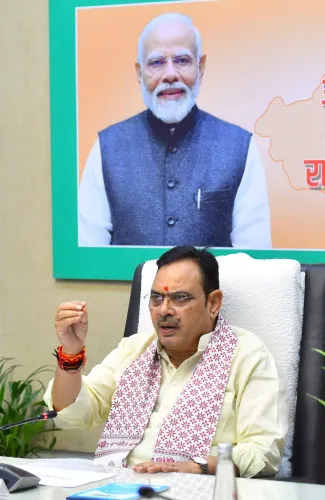
Chief Minister Bhajan Lal Sharma has led Rajasthan's BJP government since December 2023 , framing tribal welfare within the 'Agrani Rajasthan' development vision.
Operational details — budget, participating districts and methodology — are yet to be released in official notifications.
Rajasthan's tribal belt in southern districts like Dungarpur, Banswara, Udaipur and Pratapgarh represents the most critical ground for such documentation efforts.
Rajasthan's tribal communities — the Bhil, Mina, Garasia and dozens of smaller groups whose songs, rituals and oral histories have never been written down — now have a dedicated government programme standing between their traditions and erasure. The Chief Minister's Office of Rajasthan announced on Monday, 16 November 2026 the launch of the Sondh Mati Aadi Dharohar Pralelkhan Yojana, a documentation scheme aimed at preserving and promoting the priceless cultural heritage of tribal society.
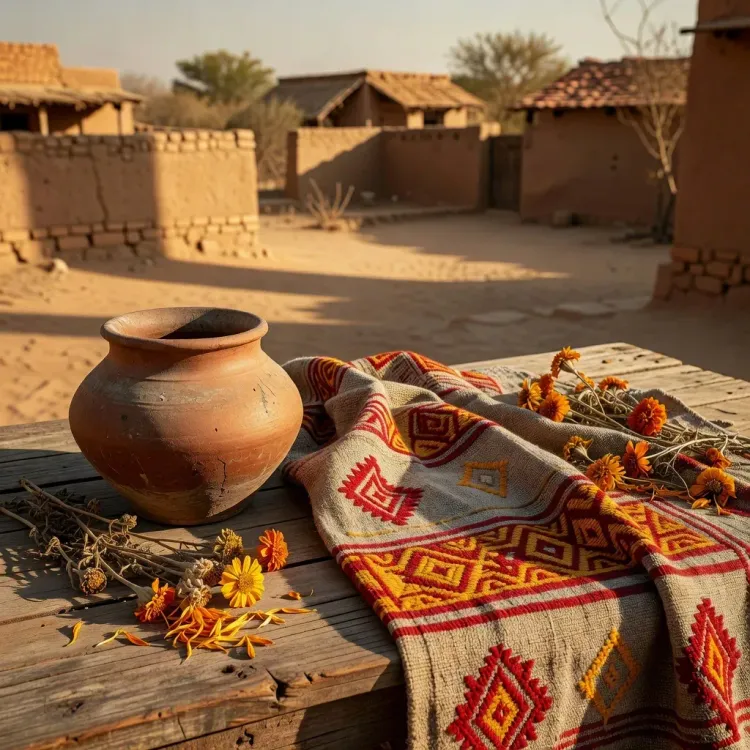
The CMO's post, tagged to Chief Minister Bhajan Lal Sharma under the hashtag #आपणो_अग्रणी_राजस्थान ('Our Leading Rajasthan'), describes the scheme as launched specifically for 'janjatiya samaj ki amulya sanskritik virasat ke sanrakshan evam samvardhan ke liye' — 'the conservation and promotion of the invaluable cultural heritage of tribal society.' The name itself carries meaning: sondh mati translates roughly to 'fragrant earth,' an evocative phrase rooted in the soil-and-season imagery central to Rajasthan's indigenous traditions.
Why tribal heritage documentation is urgent in Rajasthan
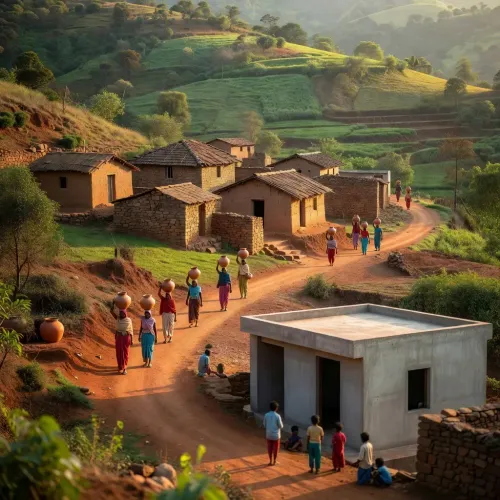
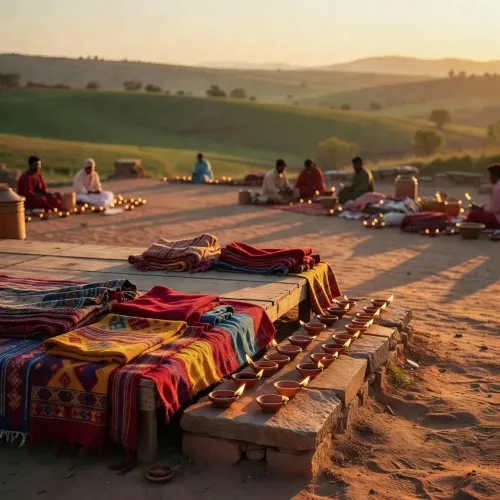
Rajasthan is home to some of India's most culturally distinct tribal populations. The Bhil community — one of the country's largest tribal groups — the Mina and the Garasia carry folk-art traditions, oral epics, medicinal plant knowledge and ceremonial practices that have been transmitted by word of mouth across generations. As urbanisation accelerates and younger generations migrate to cities, that chain of transmission breaks quietly, without ceremony.
Indian state governments have periodically launched documentation projects to capture this vanishing knowledge — recording oral histories, cataloguing art forms, archiving dialect vocabularies. Rajasthan's own tribal welfare department has maintained research and cultural cells for several decades. What distinguishes the Sondh Mati scheme is its stated focus on formal pralelkhan (documentation), suggesting systematic archival work rather than one-off cultural events.
Bhajan Lal Sharma's development push and what comes next
Chief Minister Bhajan Lal Sharma, who has led Rajasthan's BJP government since December 2023, has aligned tribal welfare initiatives within the state's broader 'Agrani Rajasthan' — 'Leading Rajasthan' — development narrative. Cultural preservation, in this framing, sits alongside infrastructure and economic schemes as a marker of inclusive governance.
The specific details that will determine the scheme's real-world impact — the budget allocated, the districts covered, the methodology for collecting heritage material, and which communities will be prioritised — are yet to be detailed in official notifications. Tribal researchers and community organisations will be watching closely to see whether this translates into on-ground fieldwork or remains an administrative framework on paper.
Rajasthan's tribal belt stretches across the southern districts of Dungarpur, Banswara, Udaipur and Pratapgarh, areas where indigenous traditions remain most concentrated and where documentation gaps are most acute. If the scheme's implementation reaches those communities, it could build a living archive of a culture that has never needed to write itself down — until now it had no choice.
Point of View
It serves a dual function: signalling inclusive governance to Rajasthan's large tribal voter base while aligning with the BJP's national emphasis on 'jan-jatiya gaurav' (tribal pride). The real test will be whether the scheme produces a durable, accessible archive — funded adequately and staffed with trained cultural researchers — or becomes another announcement that fades without fieldwork. Rajasthan's existing tribal research infrastructure gives it a foundation; whether this scheme builds on it or duplicates it is the question policy watchers should press.
NationPress
16 Nov 2026
Frequently Asked Questions
What is the Sondh Mati Aadi Dharohar Pralelkhan Yojana?
It is a Rajasthan government scheme launched to systematically document and preserve the cultural heritage of tribal communities, including their oral traditions, art forms and customs.
Which tribal communities will benefit from this Rajasthan scheme?
The scheme targets tribal communities across Rajasthan, including the Bhil, Mina and Garasia, who are among the state's largest and most culturally distinct indigenous groups.
Who launched the Sondh Mati scheme in Rajasthan?
The scheme was announced by the Chief Minister's Office of Rajasthan, associated with Chief Minister Bhajan Lal Sharma's BJP government.
What does 'Sondh Mati' mean?
'Sondh Mati' translates roughly to 'fragrant earth' in Hindi, an evocative phrase drawn from the soil-and-season imagery central to Rajasthan's indigenous cultural traditions.
Which districts in Rajasthan have the largest tribal populations?
Rajasthan's tribal communities are most concentrated in the southern districts of Dungarpur, Banswara, Udaipur and Pratapgarh, which are expected to be central to any heritage documentation effort.