Rajasthan local body polls: Congress issues symbol directly to curb infighting
Synopsis
Congress is trying something structural ahead of Rajasthan's local body polls — issuing the party symbol directly to chosen candidates to settle competing ticket claims before they spiral. With Gehlot warning that post-ticket infighting could cost the party its municipal boards, the move signals how seriously the state unit views internal discipline as an electoral variable.
Key Takeaways
The Indian National Congress will issue its official party symbol directly to selected candidates for the Rajasthan local body elections .
The strategy aims to eliminate competing claims to the Congress ticket and reduce organisational confusion.
Last-minute candidate changes remain possible, keeping ticket aspirants in uncertainty until the final list is confirmed.
Former Chief Minister Ashok Gehlot urged workers to remain united, warning that post-ticket infighting could prevent the Congress from forming municipal boards.
Gehlot also alleged that the BJP had manipulated the delimitation process but expressed confidence in a Congress majority across civic bodies.
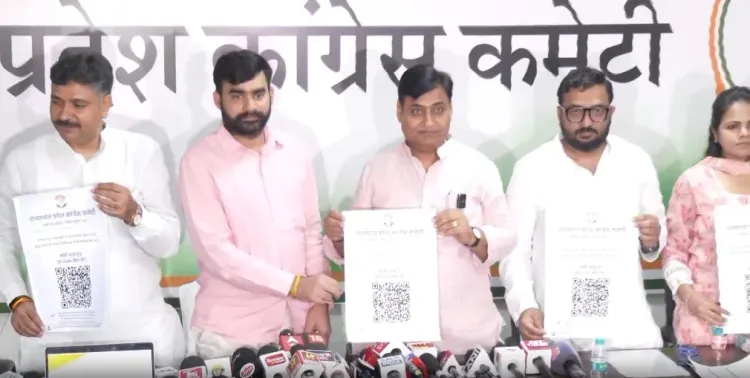
The Indian National Congress has overhauled its candidate selection strategy for the upcoming Rajasthan local body elections, deciding to issue the party's official symbol directly to its chosen nominees in a bid to contain internal friction and eliminate competing claims to the ticket. The shift, confirmed in Jaipur on 31 August, comes as deliberations over ticket distribution intensify across multiple levels of the party organisation.
The New Strategy
Under the revised approach, the Congress will hand its official election symbol directly to selected candidates, making it unambiguous who carries the party's formal endorsement. The move is designed to cut through the confusion that arises when multiple aspirants claim informal backing from senior leaders or local units.
The process of finalising candidates has grown increasingly complex, with local leaders, party workers, and prospective nominees all lobbying for their preferred names. By anchoring the ticket to the symbol itself, the party hopes to establish a single, visible line of authority over its candidate list.
What Could Still Change
Despite the structural shift, the process may not be fully settled even after initial selections are announced. There is speculation within the party that some names could be revised at the last minute, keeping ticket aspirants in a state of uncertainty until the final list is formally confirmed. The revised strategy is expected to sharpen competition among prospective candidates as the party weighs local political equations, the claims of veteran workers, and the winnability of individual nominees.
Gehlot Warns Against Infighting
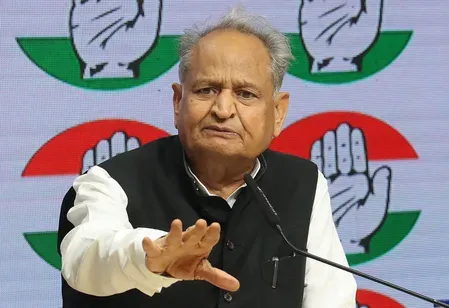
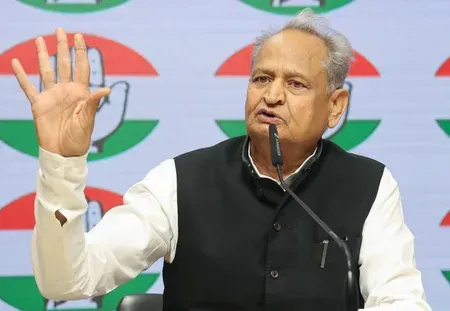
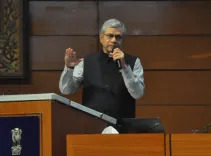
Former Rajasthan Chief Minister Ashok Gehlot addressed party workers on Sunday, urging unity ahead of the civic polls. 'The upcoming local body elections are crucial for protecting democracy and safeguarding people's rights. Therefore, party workers must enter the electoral battle united and teach the BJP a lesson,' he said.
Gehlot cautioned that post-ticket infighting could directly undermine the Congress's chances of forming municipal boards, warning that the Bharatiya Janata Party (BJP) would be primed to exploit any internal discord. He was pointed about the limits of top-down candidate recommendations: 'I told them that even if I recommend someone, do not give that person a ticket. You know better who has the best chances of winning in a particular ward. Sitting here in Jaipur, how would I know who is seeking a ticket in a ward in Bharatpur, Bikaner, Chittorgarh, or Udaipur?'
He also alleged that the BJP had manipulated the delimitation process, but expressed confidence that popular support would enable the Congress to secure boards across municipalities, municipal councils, and municipal corporations.
The Dual Challenge Facing Congress
The Congress faces a twin test in these local elections: identifying candidates with a genuine chance of winning their respective wards, while simultaneously preventing those denied tickets from turning disruptive. This balance — between electoral pragmatism and organisational cohesion — has historically been a fault line for the party in Rajasthan's fragmented civic politics.
Notably, this is not the first time the Congress has attempted structural fixes to its candidate selection ahead of Rajasthan polls; the recurring need for such measures reflects the depth of internal competition within the state unit. Whether the symbol-first strategy delivers the intended discipline will become clearer once the final candidate lists are published and the reaction from those left out is gauged.
Point of View
And no agreed internal hierarchy to resolve competing claims. Issuing the symbol early may reduce confusion, but it does not address the underlying grievance of those passed over — which is where the real electoral risk lies. Gehlot's public warning against infighting, while tactically sound, also inadvertently signals how real that risk is. The BJP's ability to exploit Congress disunity in Rajasthan's civic elections is well-documented; the question is whether a procedural change is sufficient to neutralise it this time.
NationPress
31 Aug 2026
Frequently Asked Questions
What is the Congress's new strategy for Rajasthan local body elections?
The Congress has decided to issue its official party symbol directly to selected candidates for the Rajasthan local body elections, rather than relying on informal backing or lists alone. The aim is to make the party's endorsed nominees unambiguous and reduce competing claims to the ticket.
Why is Congress changing its candidate selection approach?
The party is dealing with intense internal competition, with multiple leaders, workers, and aspirants lobbying for tickets across wards. The revised approach is intended to establish a clear line of authority and prevent the confusion and infighting that can follow when several individuals claim party support.
What did Ashok Gehlot say about the local body elections?
Former Chief Minister Ashok Gehlot urged Congress workers to remain united and contest the elections as a cohesive force. He warned that infighting after ticket distribution could prevent the party from forming municipal boards, and alleged that the BJP had rigged the delimitation process.
Could candidate lists change at the last minute?
Yes, according to reports from within the party, some names could be revised even after initial selections are announced. Ticket aspirants may have to wait for formal confirmation before the picture is fully clear.
Who is affected by Congress's ticket distribution process in Rajasthan?
Local leaders, party workers, and prospective candidates across Rajasthan's municipalities, municipal councils, and municipal corporations are directly affected. The outcome will determine which candidates carry official Congress backing in the upcoming civic polls.