India's semiconductor ecosystem to generate 50,000–60,000 direct jobs: Vaishnaw
Synopsis
India hit its 85,000 semiconductor engineer target four years ahead of schedule — and has already raised the bar to one lakh more. With Semicon 2.0 now fully notified across six pillars and 50,000–60,000 direct jobs projected, the government is betting that students from Tier-II and Tier-III cities designing chips today will anchor 10 per cent of the global semiconductor market tomorrow.
Key Takeaways
Ashwini Vaishnaw projected 50,000–60,000 direct jobs from India's semiconductor ecosystem.
India achieved its 85,000 semiconductor engineer target in four years against a ten-year plan; a new target of one lakh engineers has been set.
Students from Tier-II and Tier-III cities have designed more than 250 chips .
The government has notified all six pillars of Semicon 2.0 , covering design, fabs, ATMP/OSAT, machines and materials, R&D, and talent.
Projects will run up to six years ; applications open for three years ; India Semiconductor Mission (ISM) is the nodal agency.
Commercial production in one case began within 13 months of groundbreaking; approvals granted in as few as 90 days .
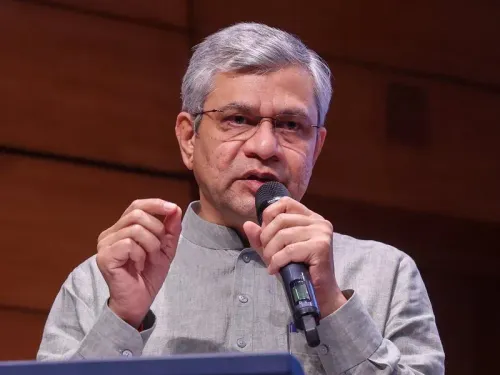
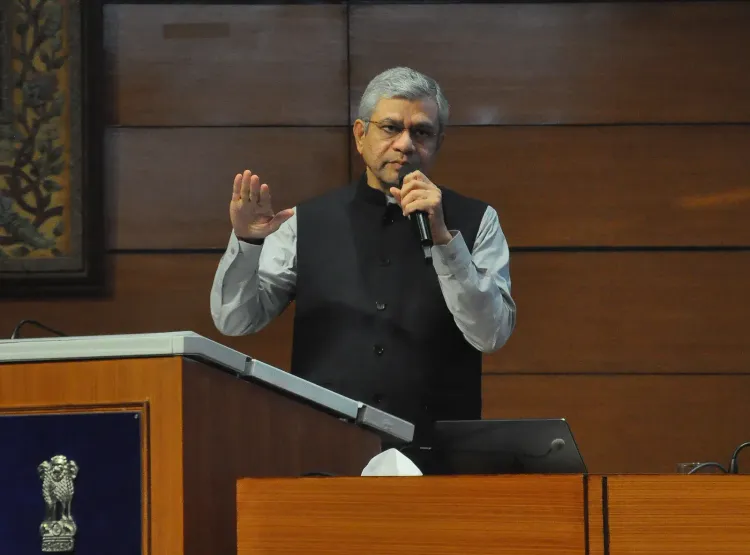
Union Minister for Electronics and IT Ashwini Vaishnaw on Monday said India's growing semiconductor ecosystem is on track to create 50,000–60,000 direct jobs, as the government unveiled the full architecture of its Semicon 2.0 Scheme — a comprehensive policy framework spanning chip design, fabrication, packaging, equipment, materials, research, and talent development.
Engineer Pipeline Ahead of Schedule
India had originally set a ten-year target to produce 85,000 semiconductor engineers — a goal it achieved in just four years, according to Vaishnaw. The government has now raised the bar, setting a fresh target of training one lakh additional engineers for the sector.
Notably, students from Tier-II and Tier-III cities have already designed more than 250 chips, signalling that semiconductor capability is no longer confined to metro hubs. Vaishnaw projected that close to 10 per cent of the global semiconductor industry's market could be based in India in the coming years.
Six Pillars of Semicon 2.0
The government has formally notified all six pillars of the Semicon 2.0 Scheme, building on the foundation laid by the first Semicon India Programme. The pillars are: Design; Machines and Materials; Setting up more Fabs; Further strengthening the ATMP/OSAT industry; Research and Development; and Talent Development.
Projects under the scheme will generally run for up to six years, while the application window will remain open for an initial period of three years. The India Semiconductor Mission (ISM) will serve as the nodal agency, handling applications, technical and financial appraisal, and implementation oversight. C-DAC may assist ISM in the design and deployment categories.
Fast-Track Approvals and Production Timelines
Vaishnaw highlighted the pace of execution as a distinguishing feature of the current push. 'In one case, commercial production commenced within just 13 months of the groundbreaking, while approvals were granted within 200 days, 150 days and even 90 days in multiple cases,' he said.
The Ministry of Electronics and Information Technology (MeitY) will make budgetary provisions for fiscal support, with disbursements undertaken by ISM in line with approved conditions. A mid-term assessment is planned after three years of implementation to evaluate impact and consider modifications.
Innovation Incentives on the Horizon
ISM may also announce semiconductor deep-tech awards from 2026 to promote niche innovation, according to the official notification. The scheme provides fiscal and infrastructure support across the full semiconductor value chain — from chip design and fabrication to packaging, equipment, materials, and talent development.
What Comes Next
With Semicon 2.0 now formally notified and ISM empowered as the nodal agency, industry attention will turn to the quality and scale of applications in the first three-year window. The mid-term review will be a critical checkpoint for whether India's semiconductor ambitions translate into verifiable manufacturing and employment outcomes.
Point of View
But the real test of Semicon 2.0 is whether fiscal support translates into domestic value addition rather than assembly-stage participation. India's track record in hardware manufacturing — despite repeated policy pushes — has been one of strong design talent but thin fabrication depth. Notifying six pillars is the easy part; the mid-term review in three years will reveal whether ISM has the bandwidth and authority to hold applicants to production and employment commitments. The 10 per cent global market share projection is ambitious given that India currently hosts no leading-edge fab — a gap that no amount of ATMP incentives can fully bridge without a credible foundry anchor.
NationPress
16 Oct 2026
Frequently Asked Questions
How many jobs will India's semiconductor ecosystem create?
Union Minister Ashwini Vaishnaw has projected that India's semiconductor ecosystem will generate 50,000–60,000 direct jobs. This estimate was shared on Monday alongside the formal notification of the Semicon 2.0 Scheme.
What is the Semicon 2.0 Scheme?
Semicon 2.0 is a comprehensive government scheme that provides fiscal and infrastructure support across the full semiconductor value chain — from chip design and fabrication to packaging, equipment, materials, R&D, and talent development. It builds on the earlier Semicon India Programme and has six formally notified pillars. Projects under the scheme can run up to six years, with applications open for an initial three-year window.
Who will oversee the Semicon 2.0 Scheme?
The India Semiconductor Mission (ISM) is the designated nodal agency for Semicon 2.0. It will invite and appraise applications, recommend approvals, and oversee implementation. C-DAC may assist ISM in design and deployment categories.
How fast has India trained semiconductor engineers?
India originally targeted 85,000 semiconductor engineers over ten years but achieved that figure in just four years. The government has now set a new target of training one lakh additional engineers for the sector.
What is India's projected share of the global semiconductor market?
According to Minister Vaishnaw, close to 10 per cent of the global semiconductor industry's market is expected to be based in India in the coming years, though no specific timeline was attached to this projection.