Rajasthan Police Warns of Rising Cyber Fraud Amid LPG Shortage Concerns
Synopsis
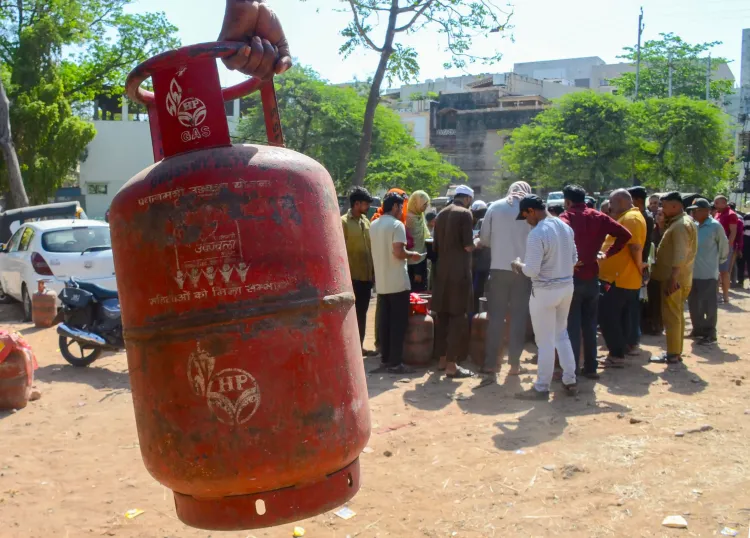
As fears of an LPG cylinder shortage grow in Rajasthan, cyber fraudsters are targeting residents with scams. The Rajasthan Police have issued a statewide alert to protect citizens from increasing online frauds linked to gas bookings and subsidies.
Key Takeaways
Fraudsters are exploiting fears of LPG shortages.
The Rajasthan Police have issued a statewide alert regarding online scams.
Citizens should use only official platforms for LPG services.
Be cautious of unsolicited calls and messages.
Immediate reporting of fraud can help recover lost money.
Jaipur, March 19 (NationPress) In light of the increasing demand and concerns regarding a potential LPG cylinder shortage in Rajasthan, cybercriminals are ramping up their schemes to defraud residents. This has led the Rajasthan Police to issue a statewide warning.
The Cyber Crime Branch has alerted the public about a rise in online frauds associated with gas bookings and subsidy services, under the guidance of Director General of Police Rajiv Kumar Sharma.
According to Deputy Inspector General (DIG) of Cyber Crime, Shantanu Kumar Singh, these fraudsters are taking advantage of consumer panic through a combination of social engineering and technical trickery.
Police reports indicate that scammers employ various methods to target victims, including the creation of counterfeit LPG booking websites that imitate official platforms to capture banking details. Additionally, they may impersonate gas agency representatives, threatening to disconnect services or halt subsidies unless KYC information is provided.
Fraudulent SMS and WhatsApp messages alleging subsidy problems have also been flagged, which lead users to phishing links.
In numerous instances, victims have been misled into downloading remote access applications like AnyDesk and TeamViewer, granting criminals control over their devices.
Another prevalent scam involves QR code fraud, where users are deceived into scanning codes presented as payment requests.
The police reiterated that scanning a QR code or entering a PIN is never necessary to receive funds.
The Cyber Crime Branch has urged citizens to utilize only official channels for LPG-related transactions and to refrain from disclosing sensitive information such as OTPs, bank accounts, or Aadhaar numbers.
Moreover, the public is advised to remain vigilant against unsolicited communications that create a sense of urgency.
Individuals using digital payment platforms like Google Pay and PhonePe should carefully confirm recipient details before finalizing transactions.
If fraud occurs, citizens are encouraged to promptly report incidents by calling the national cybercrime helpline 1930, reaching out to the Cyber Helpdesk, or submitting complaints via the official portal.
Authorities stressed that timely reporting can enhance the chances of recovering lost funds and aid in preventing future cybercrimes.
Point of View
It is crucial to remain vigilant against cyber fraud, particularly in times of crisis. The Rajasthan Police's proactive measures to warn citizens demonstrate a commitment to public safety and the need for increased awareness about online scams that thrive on fear and uncertainty.
NationPress
19 Sept 2026
Frequently Asked Questions
What should I do if I receive a suspicious call about my LPG booking?
Do not share any personal information. Hang up and verify the call with your official gas agency.
How can I identify a fake LPG booking website?
Check for misspellings, unusual web addresses, and ensure the site uses HTTPS for security.
What actions should I take if I fall victim to a cyber scam?
Immediately report the incident to the national cybercrime helpline at 1930 or contact the Cyber Helpdesk.
Is it safe to scan QR codes for payments?
Be cautious; only scan QR codes from trusted sources. Scanning codes should not be necessary to receive money.
What personal information should I avoid sharing online?
Do not share OTPs, bank details, or Aadhaar numbers unless you are certain of the recipient's identity.