Rajasthan school photo-video row: Minister Dilawar defends new rules
Synopsis
A directive barring uncleared photography and interviews in Rajasthan government schools has split opinion sharply: the Education Minister calls it child protection, the Opposition calls it a cover-up. The real test is whether the government can design a workable consent mechanism — or whether the ambiguity becomes a tool to block accountability journalism.
Key Takeaways
Rajasthan Education Minister Madan Dilawar defended the school photo-video directive on 17 August , calling it a child privacy measure, not a blanket ban.
The directive was issued by the Director of Secondary Education on 16 August , requiring parental consent before children are photographed, filmed, or interviewed on school premises.
Leader of Opposition Tikaram Jully accused the government of trying to suppress documentation of school problems and pledged to raise the issue in the Rajasthan Assembly .
The minister acknowledged the permission mechanism's practical application — especially for journalists and media — remains undefined.
School heads and school management committees are designated as responsible for enforcing the safe-environment mandate.
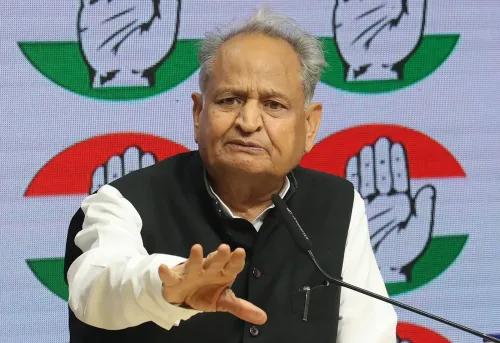
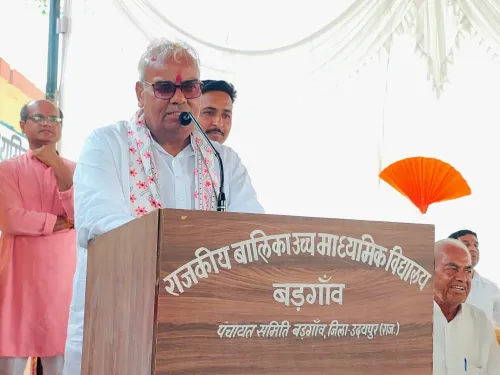
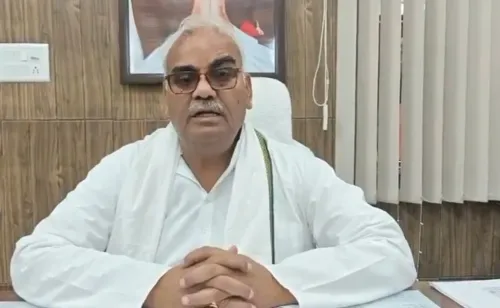
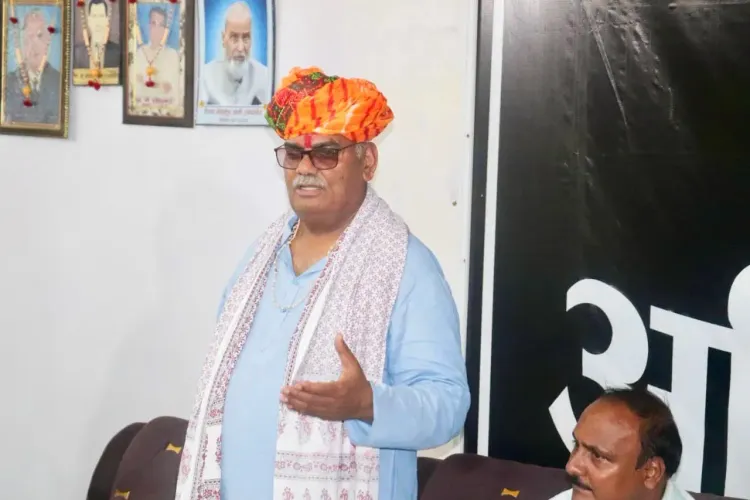
Rajasthan Education Minister Madan Dilawar on 17 August clarified the state government's position on a growing controversy over restrictions on photography, videography, and interviews inside government schools, stating that the directives are designed to protect the privacy and safety of minor children — not to impose a blanket ban on public access.
What the Government Said
Dilawar explained that parental consent is mandatory before any photographs, videos, or recorded statements of children are taken on school premises. He drew a clear distinction between transparency and unrestricted access, asserting that schools are not secret institutions but cannot permit unregulated entry and recording.
'If a person interviews children without any reason, asks them unnecessary questions or interferes with their privacy, it is not appropriate,' the minister said.
He added that the instructions issued by the Director of Secondary Education on 16 August were specifically aimed at preventing children from being exposed unnecessarily or placed in situations that could compromise their personal information and dignity.
Key Provisions of the Directive
Under the guidelines, heads of institutions and school management committees bear responsibility for maintaining a safe environment. Parent-teacher meetings are described as a built-in transparency mechanism within the school system. The minister emphasised that the core requirement is obtaining appropriate permission before photographing, filming, or interviewing minors — not a prohibition on visits altogether.
Notably, Dilawar acknowledged that the central unresolved question is how the permission mechanism will function in practice — particularly for journalists, media organisations, parents, and other visitors seeking access to students inside school premises.
Opposition Pushback
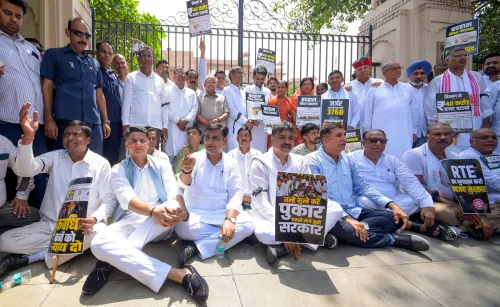
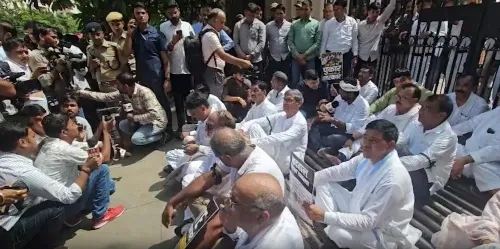
The controversy erupted after the Director of Secondary Education's letter dated 16 August drew sharp criticism from the Indian National Congress (INC). Leader of Opposition Tikaram Jully accused the government of attempting to suppress documentation of problems faced by students and school infrastructure.
Jully alleged that students had been flagging concerns about school facilities through videos on social media, and warned that the Congress would raise the matter in the Rajasthan Assembly. He framed the restrictions as a threat to freedom of expression and the ability of students, parents, and citizens to hold the system accountable.
Balancing Privacy and Accountability
The government's stated position is that the guidelines seek to balance transparency with child protection — a tension that mirrors debates in several other states over media access to public schools. Critics argue that without a clear, accessible permission process, the rules could effectively function as a barrier to accountability reporting, even if that is not the stated intent.
How the Rajasthan Education Department operationalises the consent framework — and whether it carves out a workable process for journalists and public interest visitors — will determine whether the controversy subsides or intensifies in the Assembly session ahead.
Point of View
And unregulated recording can be exploitative. But the directive's vagueness is its real problem: without a defined, accessible consent pathway for journalists and public interest visitors, 'parental permission required' can quietly become 'no access granted.' The Opposition's point about social media videos exposing school infrastructure failures is pointed — those clips have driven real accountability. If the consent mechanism is designed in a way that filters out inconvenient documentation while permitting benign school-day photography, the government's stated intent and its practical effect will diverge sharply. That gap is what the Rajasthan Assembly debate should interrogate.
NationPress
1 Oct 2026
Frequently Asked Questions
What is the Rajasthan school photo-video controversy about?
It concerns a directive issued by the Rajasthan Director of Secondary Education on 16 August requiring parental consent before anyone photographs, films, or interviews students inside government schools. Critics, including the Congress, argue the rules could be used to block accountability reporting on school conditions.
Has Rajasthan banned photography in government schools entirely?
No. Education Minister Madan Dilawar has clarified there is no blanket ban. Visitors, journalists, and parents may enter schools, but must obtain appropriate permission before recording or interviewing minor children.
Why is the Opposition Congress objecting to the directive?
Leader of Opposition Tikaram Jully has alleged the restrictions are aimed at preventing documentation of poor school facilities and student grievances that have surfaced through social media videos. He has warned that Congress will raise the matter in the Rajasthan Assembly.
Who is responsible for enforcing the new school access rules?
Under the directive, heads of institutions and school management committees are tasked with maintaining a safe environment and implementing the consent requirement. Teachers are also responsible for student safety while children are on school premises.
What remains unresolved about the directive?
Minister Dilawar himself acknowledged that how the permission mechanism will work in practice — particularly for journalists, media organisations, and public interest visitors — has not yet been defined, leaving significant ambiguity about day-to-day implementation.