Pakistan's Trump-era Washington strategy at risk as Democrats take Congress
Synopsis
Pakistan built its Washington strategy around Trump's inner circle — crypto ventures, hotel redevelopments, drone deals. Now that Democrats control Congress and subpoenas are on the table, Islamabad's transactional diplomacy could backfire badly: the same relationships it cultivated for access may become the very thread that pulls scrutiny toward Pakistani officials.
Key Takeaways
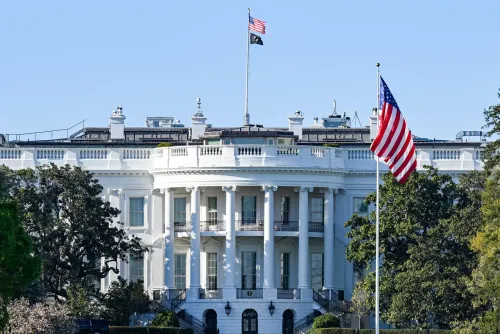
Democrats won control of both chambers of US Congress in the November 3 elections, triggering fresh scrutiny of Trump-era business dealings.
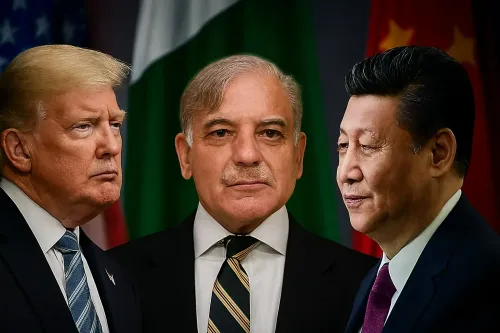
Pakistan's diplomatic strategy, centred on Army Chief Field Marshal Asim Munir and Trump-linked figures, is now at risk of becoming a political liability.
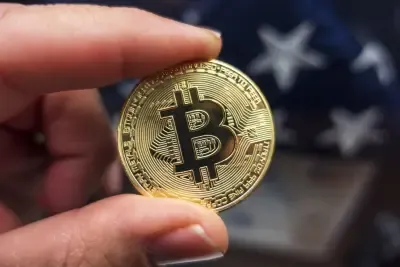
Three deals under potential scrutiny: the World Liberty Financial crypto tie-up, the Roosevelt Hotel redevelopment MOU, and a deal with drone maker Powerus , which is merging with a company in which Donald Trump Jr. and Eric Trump reportedly have an indirect stake.
A January 2026 stablecoin MOU with WLF's sister company produced no pilot, no licence, and no transaction as of July, according to Pakistani officials.
Former Pakistani Ambassador Husain Haqqani warned that some Trump-linked arrangements may not survive Congressional scrutiny.
The analysis recommends Pakistan shift to institutional, bipartisan engagement across Capitol Hill rather than relying on personal ties to the executive branch.
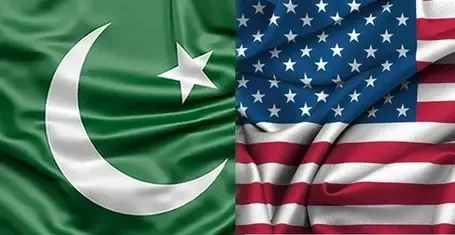
Pakistan's diplomatic strategy of cultivating ties with President Donald Trump's inner circle is facing a potentially significant political reversal, after Democrats secured control of both chambers of the US Congress following the November 3 elections. An analysis by Andrew Wilson for One World Outlook warns that Islamabad's transactional approach to Washington could become a liability as Congressional Democrats prepare an aggressive oversight agenda targeting the administration's business dealings.
Democrats Signal Aggressive Oversight
Senior Democrats have already telegraphed their intentions. House Oversight Committee ranking Democrat Robert Garcia has warned Republicans to 'lawyer up', while Senator Ron Wyden has indicated that subpoenas could follow. According to Wilson's analysis, the primary areas of scrutiny are likely to be companies with links to the Trump family and aides who have intersected with Pakistani government initiatives.
The report stresses that the central risk for Islamabad is not necessarily a direct Congressional probe into Pakistan, but the scrutiny of American companies and intermediaries involved in these arrangements — whose correspondence and contractual records could draw Pakistani officials into focus.
Three Deals Under the Spotlight
The analysis identifies three specific arrangements that could attract Congressional attention.
The first involves World Liberty Financial (WLF), a cryptocurrency venture associated with the Trump family. WLF signed a letter of intent with the Pakistan Crypto Council in April 2025. The report notes that Bilal bin Saqib, who led the Council, subsequently became a WLF adviser and took on senior roles in Pakistan's government cryptocurrency framework. A January 2026 memorandum between Pakistan's Finance Ministry and SC Financial Technologies — a WLF sister company — to explore use of the USD1 stablecoin for cross-border payments was reportedly confirmed by July to have produced no pilot, no licence, and no actual transaction.
The second case concerns the proposed redevelopment of the Roosevelt Hotel in Manhattan, owned by Pakistan International Airlines. A non-binding memorandum was signed with the US General Services Administration in February 2026, though it contained no specified financial terms.
The third involves Powerus, a drone manufacturer that secured a limited order from Pakistan's Defence Ministry and signed a preliminary agreement with the Pakistani Army during a September 2026 visit. Powerus is merging with Aureus Greenway Holdings, in which Donald Trump Jr. and Eric Trump reportedly hold an indirect stake. A spokesman for Trump Jr. has described him as a passive investor who was reportedly unaware of the Pakistan agreement beforehand; the White House has denied any conflict of interest.
Separately, a $500 million minerals memorandum involving Pakistan's Frontier Works Organisation and US-based Strategic Metals is also discussed, though no Trump family stake has been reported in that arrangement.
Army Chief as Key Diplomatic Channel
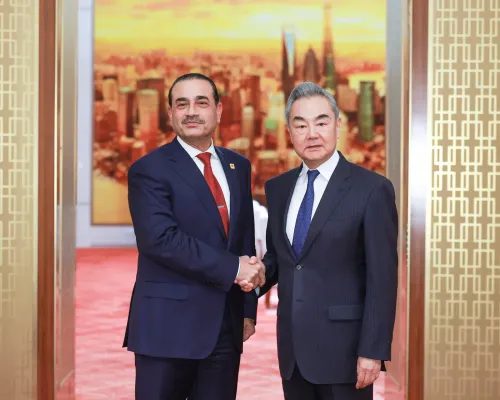
The report identifies Army Chief Field Marshal Asim Munir as a central figure in Pakistan's Washington engagement strategy. Islamabad reportedly offered cooperation in cryptocurrency, critical minerals, and counterterrorism as part of what Wilson characterises as a transactional diplomatic approach — one that leaned heavily on personal relationships with Trump-aligned figures rather than institutional or bipartisan outreach.
This personality-driven model, the analysis suggests, is precisely what makes Pakistan's position vulnerable now that the Congressional balance of power has shifted.
Counterterrorism Role May Cushion the Blow
The report does not project a complete rupture in US-Pakistan relations. It acknowledges that Islamabad's counterterrorism cooperation and its diplomatic role in efforts involving Iran could help prevent a wider breakdown in bilateral ties. Former Pakistani Ambassador to Washington Husain Haqqani is quoted as cautioning that some arrangements involving Trump's associates and relatives 'may not survive scrutiny.'
However, the article warns that Pakistan's limited engagement with Congressional Democrats could weaken its position considerably if political scrutiny intensifies. Wilson recommends that Islamabad pivot away from personality-driven diplomacy, strengthen institutional engagement, and build relationships across Capitol Hill — not just within the executive branch.
What Comes Next
The analysis frames its conclusions as an assessment of how Congressional oversight could operate, rather than a confirmed investigative plan. It projects that Trump-linked business arrangements may face delays, greater scrutiny, and possible setbacks — but stops short of predicting formal investigation. For Pakistan, the immediate challenge is managing a diplomatic strategy built for one political environment that must now survive in another.
Point of View
Personality-dependent, and almost entirely executive-branch-facing. The Democratic takeover of Congress hasn't just changed the political weather — it has exposed the structural weakness of a strategy that never bothered to build bipartisan depth. The irony is that the very deals Islamabad used to signal its usefulness to Washington — crypto ventures, hotel redevelopments, drone contracts — are now the threads Congressional investigators are most likely to pull. Pakistan isn't necessarily the target, but it could easily become collateral. Husain Haqqani's warning cuts to the core: when the music stops, non-binding MOUs with Trump-linked entities are not an asset; they're a liability.
NationPress
15 Nov 2026
Frequently Asked Questions
Why is Pakistan's Washington strategy now under threat?
Pakistan's diplomatic approach under the Trump administration relied heavily on building access through Trump's inner circle and business-linked intermediaries. After Democrats won control of both chambers of Congress in the November 3 elections, they have signalled an aggressive oversight agenda targeting Trump-era business dealings — which could expose the Pakistani government's involvement in several high-profile arrangements.
What are the three deals that could face Congressional scrutiny?
The three deals highlighted are: the World Liberty Financial crypto partnership with the Pakistan Crypto Council (April 2025); the non-binding Roosevelt Hotel redevelopment MOU signed with the US General Services Administration (February 2026); and a drone supply agreement with Powerus, a company merging with Aureus Greenway Holdings in which Donald Trump Jr. and Eric Trump reportedly hold an indirect stake.
What role has Army Chief Asim Munir played in Pakistan's US diplomacy?
According to the report, Field Marshal Asim Munir has emerged as the primary channel for Pakistan's engagement with the Trump administration. Islamabad reportedly offered cooperation in cryptocurrency, critical minerals, and counterterrorism as part of this transactional approach, with Munir at the centre of outreach to Trump-aligned figures.
Is a full breakdown in US-Pakistan relations expected?
The analysis does not project a complete rupture in ties. Pakistan's counterterrorism cooperation and its diplomatic role in efforts involving Iran are cited as factors that could prevent a wider bilateral breakdown. However, Trump-linked business arrangements are expected to face delays, greater scrutiny, and possible setbacks.
What does the report recommend Pakistan do now?
The report recommends that Islamabad move away from personality-driven diplomacy and instead strengthen institutional engagement across Capitol Hill, building relationships with both parties rather than concentrating access within the Trump executive circle. Former Ambassador Husain Haqqani has warned that some existing arrangements may not survive the coming scrutiny.