Pakistan's crypto diplomacy with Trump: $1.4bn deal, thin gains
Synopsis
Pakistan secured a White House meeting for its army chief and Trump's crypto endorsement — but at a cost. The Trump family's $1.4 billion crypto earnings have triggered Congressional conflict-of-interest probes, while analysts at the Takshashila Institution warn that crypto adoption could actively worsen Pakistan's fiscal crisis and raise national security risks for India.
Key Takeaways
The Trump family earned $1.4 billion through crypto ventures, far exceeding income from its real estate business.
World Liberty Financial signed an agreement with the Pakistan Crypto Council to promote blockchain and the USD1 Stablecoin in Pakistan.
The deal triggered Congressional conflict-of-interest investigations in Washington.
Field Marshal Asim Munir visited the White House after Operation Sindoor , presenting rare earth opportunities and signing trade and mining agreements.
Pakistan proposed allocating 2,000 megawatts for Bitcoin mining despite chronic power deficits.
The Takshashila Institution concludes crypto adoption is likely a net negative for Pakistan's economy and increases national security risks for India .
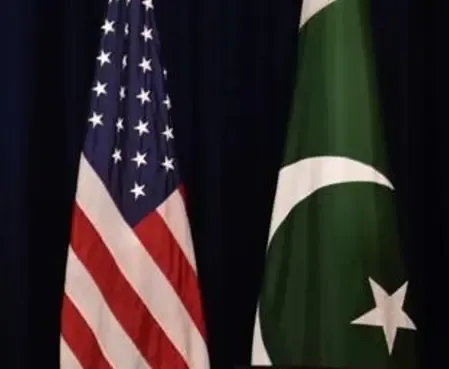
Pakistan's bid to win over US President Donald Trump through crypto-backed diplomacy has delivered short-term goodwill but exposed deep structural vulnerabilities, according to an analysis by StratNews Global. The strategy, built around backing Trump's digital finance ventures and offering critical minerals, has drawn Congressional scrutiny in Washington and done little to address Islamabad's chronic economic fragility.
The Crypto Connection
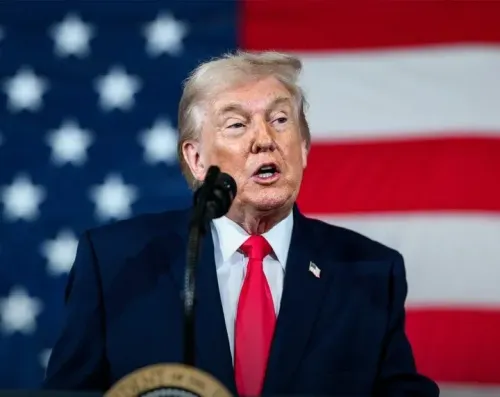
Disclosures now in the public domain reveal that the Trump family earned $1.4 billion through crypto ventures — a figure that far exceeds income from its core real estate business. World Liberty Financial, the Trump family-controlled digital finance company, signed an agreement with Pakistan's newly established Pakistan Crypto Council to promote blockchain infrastructure and the USD1 Stablecoin in Pakistan. The deal immediately triggered conflict-of-interest questions and Congressional investigations, given that a sitting US president stood to benefit financially from policies directly affecting a foreign partner.
Islamabad's Diplomatic Offensive After Operation Sindoor
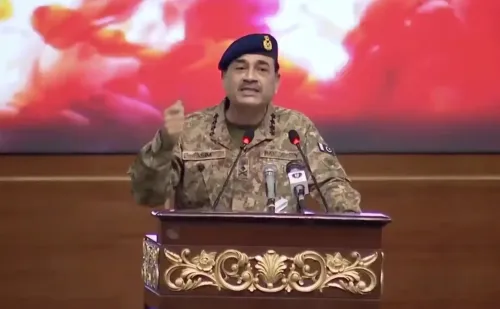
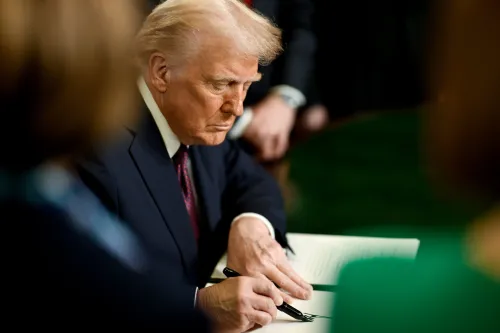
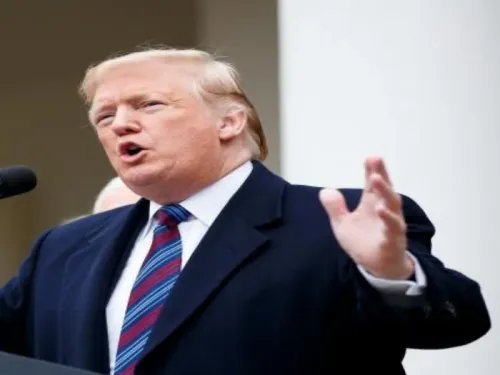
The crypto overture was part of a broader Pakistani push to recover diplomatic ground following Operation Sindoor, after which Islamabad found itself cornered — with India having demonstrated both military resolve and political confidence, and Washington's traditional balancing act appearing to tilt toward New Delhi. Army chief Field Marshal Asim Munir visited the White House, presenting rare earth deposits to Trump, wooing American investors, and signing trade and mining agreements in line with Trump's transactional approach to diplomacy. Prime Minister Shahbaz Sharif and Munir also enthusiastically backed Trump's claim that he had brokered the India-Pakistan ceasefire, going so far as to nominate him for the Nobel Peace Prize — a move that reportedly secured the extraordinary White House audience for Munir. This was, notably, the same Trump who had once accused Pakistan of giving America 'nothing but lies and deceit' while cutting security assistance.
Weak Foundations of Pakistan's Crypto Ambitions
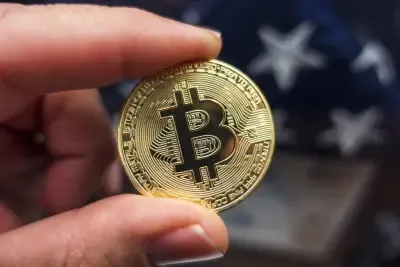
Analysts warn that Pakistan's crypto strategy rests on structurally fragile ground. The country continues to grapple with chronic fiscal instability, repeated IMF bailouts, low tax collection, mounting external debt, persistent balance-of-payments pressures, and severe electricity shortages. Despite these deficits, the government has proposed allocating 2,000 megawatts of electricity for Bitcoin mining — a plan critics say diverts scarce power from ordinary consumers and industry.
An assessment by the Bengaluru-based Takshashila Institution concludes that serious crypto adoption is likely to be a net negative for Pakistan's economy. The institution warns that crypto's volatility makes it unsuitable as a strategic reserve; wider adoption could weaken Pakistan's currency, erode the central bank's control over monetary policy, encourage capital flight, and shrink already inadequate tax revenues. Simultaneously, the Takshashila Institution flags heightened risks to India's national security from a crypto-enabled Pakistani financial system.
India's Contrasting Approach
In contrast, India's engagement with the Trump administration has been measured and multi-layered. New Delhi has pursued sustained dialogue not only with the White House but also with Congress, the Pentagon, the State Department, and American industry — institutions that provide policy continuity well beyond any individual presidency. This institutional breadth, analysts note, gives India's diplomatic gains greater durability than transactional crypto deals.
What Comes Next
Pakistan may have temporarily restored its standing in Washington, but the structural problems that drove it toward crypto diplomacy in the first place remain unresolved. Whether the Trump-Munir White House meeting translates into lasting strategic benefit — or merely defers a reckoning with Islamabad's economic fundamentals — will likely become clearer as Congressional scrutiny of the World Liberty Financial deal intensifies.
Point of View
But in doing so handed Congressional investigators a ready-made conflict-of-interest case against the very president it is courting. More fundamentally, crypto cannot paper over a sovereign that is structurally insolvent: no blockchain protocol fixes a balance-of-payments crisis or a 2,000-megawatt power deficit. The Takshashila Institution's finding — that crypto adoption raises India's national security risk — is the detail mainstream coverage has largely missed. If Pakistan's digital finance ecosystem becomes a channel for sanctions evasion or capital flight, the fallout extends well beyond Islamabad's treasury.
NationPress
2 Oct 2026
Frequently Asked Questions
What is Pakistan's crypto deal with the Trump family about?
World Liberty Financial, a digital finance company controlled by the Trump family, signed an agreement with Pakistan's newly created Pakistan Crypto Council to promote blockchain infrastructure and the USD1 Stablecoin in Pakistan. The deal is part of Islamabad's broader effort to win favour with US President Donald Trump through his crypto business interests.
How much did the Trump family earn through crypto ventures?
Disclosures now in the public domain show the Trump family earned $1.4 billion through crypto ventures — a figure that exceeds income from its core real estate business. The scale of these earnings has drawn Congressional conflict-of-interest investigations.
Why did Pakistan pursue crypto diplomacy after Operation Sindoor?
Following Operation Sindoor, Pakistan found itself diplomatically isolated, with India demonstrating military and political confidence and Washington appearing to tilt toward New Delhi. Army chief Field Marshal Asim Munir and Prime Minister Shahbaz Sharif turned to crypto deals, critical minerals offers, and backing Trump's ceasefire claims — including a Nobel Peace Prize nomination — to restore Islamabad's standing in Washington.
What are the risks of Pakistan's crypto ambitions for its own economy?
The Bengaluru-based Takshashila Institution concludes that serious crypto adoption is likely a net negative for Pakistan's economy. Risks include currency weakening, reduced central bank control over monetary policy, capital flight, and shrinking tax revenues — compounding Pakistan's existing problems of fiscal instability, IMF dependence, and electricity shortages.
How does India's diplomatic approach to the Trump administration differ from Pakistan's?
India has pursued a multi-institutional engagement strategy, maintaining dialogue with the White House, Congress, the Pentagon, the State Department, and American industry — providing continuity beyond any single presidency. This contrasts with Pakistan's narrower, transactional focus on personal ties to Trump through crypto and critical minerals deals.