Rajasthan SC/ST atrocity cases drop 28% in 2 years as justice speeds up
Synopsis
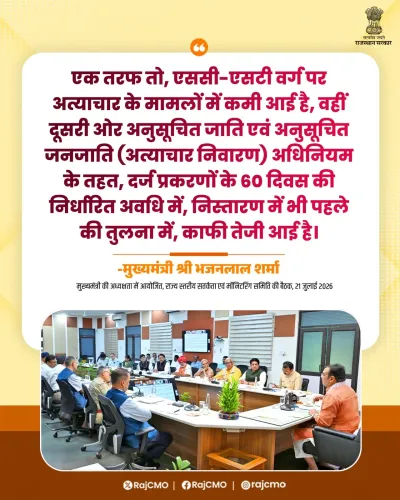
Rajasthan's SC/ST atrocity cases have fallen 28 per cent in two years — but the more striking number is the collapse in disposal time: from 128 days to 53. With nearly 68 per cent of cases now resolved within the mandated 60-day window, the state is making a data-backed case that faster justice is itself a deterrent.
Key Takeaways
Rajasthan recorded a 28 per cent overall decline in SC/ST atrocity cases between 2023 and 2025 .
Registered cases fell 15.88 per cent in 2025 versus 2024, and a further 15.49 per cent in the first half of 2026.
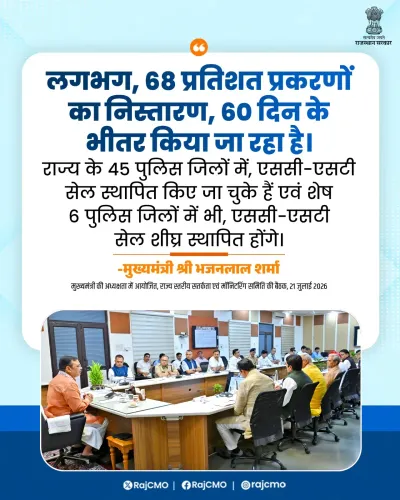
Cases disposed of within the mandated 60-day period rose from 35.16 per cent (2023) to 67.88 per cent (July 2026) .
Average investigation and disposal time dropped from 128 days to 53 days .
SC/ST Cells are now active in 45 of 51 police districts ; remaining six to be covered soon.
Random verification of Final Report closures increased from 10 per cent to 20 per cent to strengthen accountability.
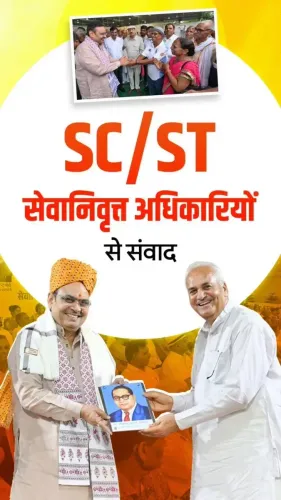
Rajasthan has recorded a 28 per cent overall decline in atrocities against Scheduled Caste (SC) and Scheduled Tribe (ST) communities between 2023 and 2025, according to data presented at a State-Level Vigilance and Monitoring Committee meeting in Jaipur on 22 July 2026. State officials attributed the improvement to stricter enforcement of the SC/ST (Prevention of Atrocities) Act, intensified policing, and faster case disposal.
Key Figures from the Review
Data tabled at the meeting showed a 15.88 per cent decline in registered atrocity cases in 2025 compared to 2024, followed by a further 15.49 per cent reduction in the first half of 2026 relative to the same period in 2025. On case disposal, the proportion of cases resolved within the mandated 60-day period has risen sharply — from 35.16 per cent in 2023 to approximately 47 per cent in 2025, reaching 67.88 per cent by July 2026. The average investigation and disposal period has fallen from 128 days to just 53 days.
What Chief Minister Bhajanlal Sharma Said
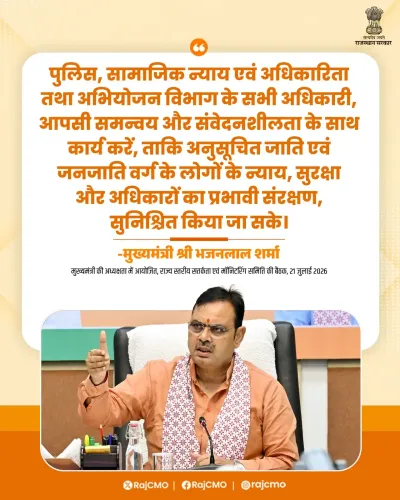
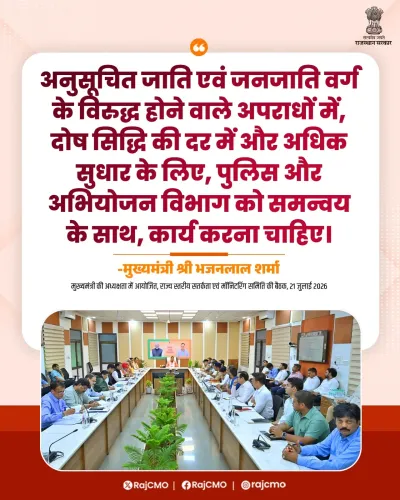
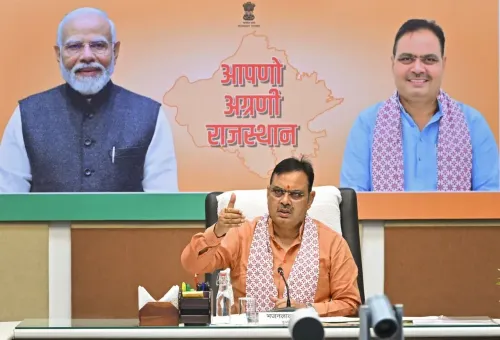
Chairing the committee meeting, Chief Minister Bhajanlal Sharma stated that ensuring the safety, dignity, and constitutional rights of SC/ST communities remains among the government's highest priorities. He directed police and prosecution departments to work in close coordination to improve conviction rates and ensure speedy justice in sensitive cases. Sharma also ordered a special campaign to expedite investigations that have remained unresolved for more than a year.
Institutional and Oversight Measures
SC/ST Cells have been established in 45 police districts, with the remaining six districts to receive dedicated units shortly. The Chief Minister directed authorities to hold district and sub-division-level vigilance meetings regularly and organise Panchayat-level monitoring meetings twice a year to address local concerns. Notably, random verification of cases closed through Final Reports has been increased from 10 per cent to 20 per cent, strengthening oversight and accountability.
Financial Assistance to Victims
The committee also reviewed financial assistance disbursed under the Act over the past three years, including the progress of the online assistance portal and status of pending compensation cases. Sharma directed officials to ensure victims receive financial support promptly at every eligible stage — from FIR registration to the final court verdict — and that district administrations actively monitor pending compensation cases to prevent unnecessary delays.
Who Attended the Meeting
The review was attended by Deputy Chief Minister Dr. Premchand Bairwa, Minister of State for Home Jawahar Singh Bedham, Social Justice and Empowerment Minister Avinash Gehlot, Chief Secretary V. Srinivas, Director General of Police Rajiv Sharma, and senior representatives from the National Commissions for Scheduled Castes and Scheduled Tribes, along with other senior state officials.
With disposal timelines still short of universal compliance and long-pending cases under a special drive, the state's next progress review will test whether these gains are sustained or plateau.
Frequently Asked Questions
By how much have SC/ST atrocity cases declined in Rajasthan?
Rajasthan has recorded a 28 per cent overall decline in SC/ST atrocity cases between 2023 and 2025, according to data presented at the State-Level Vigilance and Monitoring Committee meeting on 22 July 2026. Registered cases fell 15.88 per cent in 2025 versus 2024, with a further 15.49 per cent reduction in the first half of 2026.
How has case disposal speed improved under the SC/ST Act in Rajasthan?
The proportion of cases disposed of within the mandated 60-day period has risen from 35.16 per cent in 2023 to 67.88 per cent by July 2026. The average investigation and disposal period has fallen from 128 days to 53 days over the same period.
What steps has the Rajasthan government taken to protect SC/ST communities?
The state has established SC/ST Cells in 45 of 51 police districts, increased random verification of closed cases from 10 to 20 per cent, and launched a special campaign for long-pending cases. Chief Minister Bhajanlal Sharma has also directed regular Panchayat-level monitoring meetings twice a year and ensured timely financial assistance to victims at every stage of the legal process.
Who chaired the SC/ST Vigilance and Monitoring Committee meeting in Jaipur?
Chief Minister Bhajanlal Sharma chaired the State-Level Vigilance and Monitoring Committee meeting in Jaipur on 22 July 2026. The meeting was also attended by Deputy Chief Minister Dr. Premchand Bairwa, senior ministers, the Chief Secretary, the Director General of Police, and representatives from the National Commissions for Scheduled Castes and Scheduled Tribes.
What is the SC/ST (Prevention of Atrocities) Act and why does it matter in Rajasthan?
The SC/ST (Prevention of Atrocities) Act is a central law that criminalises discrimination, violence, and humiliation targeting members of Scheduled Caste and Scheduled Tribe communities, mandating time-bound investigations and financial relief to victims. Rajasthan has historically been among the states with high reported atrocity cases, making enforcement of this law a significant governance and social justice concern.