Rajasthan signs clean energy MoU with California, RVUNL hits record 94.6% thermal capacity
Synopsis
Rajasthan pulled off a rare double on 26 June — its state thermal utility hit an all-time high of 94.6% capacity utilisation at 7,171 MW, while its electricity regulator inked a landmark MoU with California on battery storage, smart grids, and EV charging. For a state that wants to be India's clean energy capital, this day may mark the inflection point between ambition and execution.
Key Takeaways
RVUNL operated at 94.6% of installed capacity on 26 June 2025 — one of the highest utilisation levels recorded by any Indian thermal utility.
All 23 generating units collectively produced 7,171 MW in a single day, the highest-ever output by the state-owned utility.
The Rajasthan Electricity Regulatory Commission (RERC) signed an MoU with the California Energy Commission covering battery storage, smart grids, and EV charging infrastructure.
The partnership focuses on Battery Energy Storage Systems (BESS) to store excess solar power and meet peak evening demand.
State Energy Minister Hiralal Nagar said the goal is to sustain the thermal record year-round, not just as a single-day benchmark.
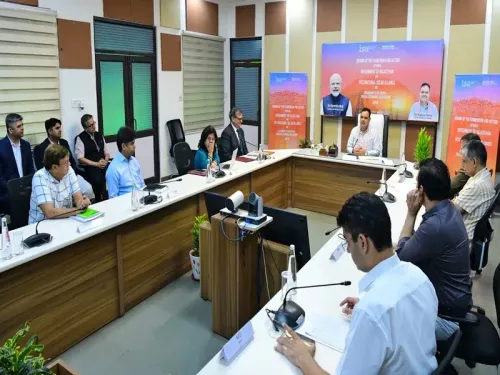
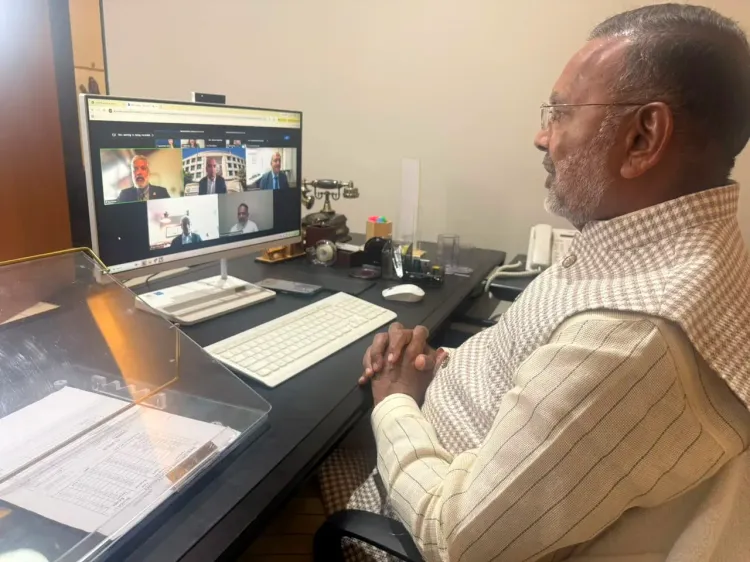
Rajasthan on Friday, 26 June marked two landmark achievements in its power sector — the state-owned thermal utility Rajasthan Rajya Vidyut Utpadan Nigam Limited (RVUNL) operated at a historic 94.6% of installed capacity, while the Rajasthan Electricity Regulatory Commission (RERC) signed a Memorandum of Understanding (MoU) with the California Energy Commission to accelerate clean energy cooperation. The twin milestones, announced during a virtual programme in Jaipur, signal the state's intent to lead India's energy transition on both the conventional and renewable fronts.
Record Thermal Output
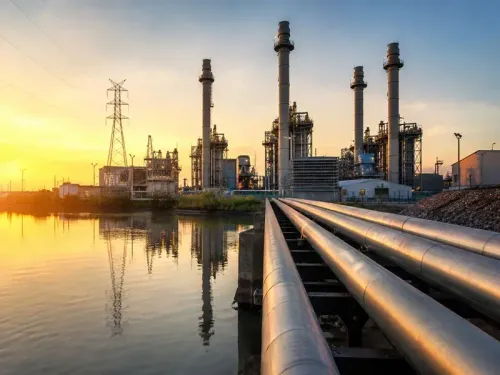
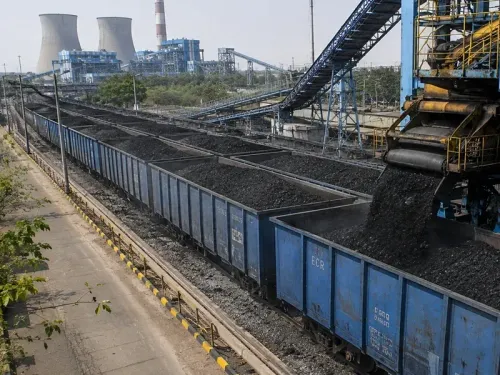
All 23 operational generating units of RVUNL collectively produced 7,171 MW of electricity in a single day — the highest-ever single-day generation by the state-owned utility, according to officials. The 94.6% plant load factor is among the highest utilisation levels recorded by any thermal power utility in India.
State Energy Minister Hiralal Nagar attributed the breakthrough to overcoming longstanding technical and equipment constraints. 'Earlier, technical issues and equipment limitations prevented us from operating at such high levels. Our objective now is not merely to create a one-day record but to sustain this performance throughout the year and set new benchmarks in annual power generation,' Minister Nagar said.
Rajasthan-California Clean Energy MoU
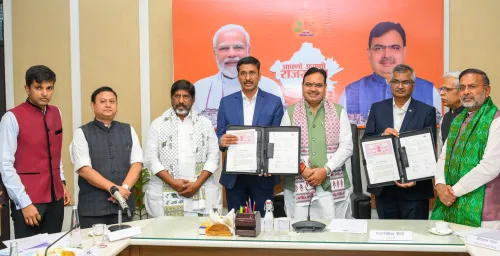
In a parallel development, the RERC signed a virtual MoU with the California Energy Commission, opening a formal channel for exchange of technology, policy expertise, and regulatory best practices. The partnership covers Battery Energy Storage Systems (BESS), advanced battery technology, smart grids, advanced metering infrastructure, digital power management, and electric vehicle charging infrastructure.
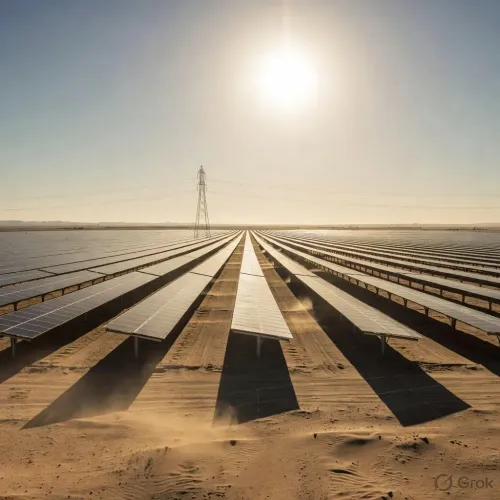
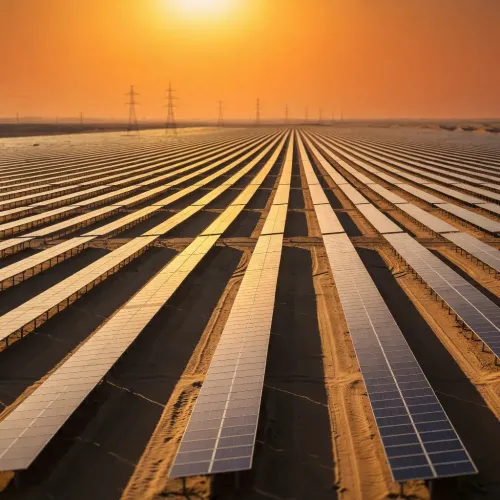
The BESS component is particularly significant — excess solar power generated during daylight hours can be stored and discharged during peak evening demand, addressing one of the core reliability challenges of renewable-heavy grids. Both sides will also cooperate on joint research and technical knowledge sharing for EV charging networks.
'Although Rajasthan and California are separated by thousands of kilometres, both share a common vision of expanding clean energy and building a sustainable future. This collaboration will enable both regions to learn from each other's experiences and technological innovations,' Minister Nagar said.
Why This Partnership Matters
California is globally recognised as a policy and technology leader in renewable energy integration, having managed high penetrations of solar power on its grid for over a decade. Rajasthan, already one of India's top solar and wind energy states, stands to benefit from California's experience in managing the 'duck curve' — the sharp evening demand spike that follows solar generation drop-off — a challenge Rajasthan increasingly faces as its own solar capacity expands.
This comes amid India's broader push to meet its 500 GW non-fossil fuel capacity target by 2030, with Rajasthan positioned as a key contributor given its vast desert geography and high solar irradiance.
What Comes Next
State officials said the government's priority remains ensuring affordable, uninterrupted 24×7 electricity supply while preparing the state's grid for next-generation renewable technologies. The MoU is expected to translate into joint working groups on BESS deployment, smart grid pilots, and regulatory framework alignment. Whether the record thermal performance can be sustained — and how quickly storage technology can be scaled — will determine Rajasthan's ability to balance immediate energy security with its long-term green energy ambitions.
Point of View
But they represent a genuine tension at the heart of Rajasthan's energy policy — maximising coal-based generation today while betting on storage and smart grids tomorrow. The BESS focus is the right call: without storage, Rajasthan's solar surplus simply curtails. But California's grid transformation took two decades and billions in subsidy; Rajasthan's regulatory and financial bandwidth is far thinner. The MoU's value will be determined entirely by whether it produces working pilots or just glossy knowledge-sharing reports.
NationPress
25 Sept 2026
Frequently Asked Questions
What record did Rajasthan's thermal power utility set on 26 June 2025?
RVUNL operated at 94.6% of its installed capacity, with all 23 generating units collectively producing 7,171 MW in a single day — the highest-ever single-day generation by the state-owned utility. This is among the highest plant load factors recorded by any thermal power utility in India.
What is the Rajasthan-California clean energy MoU about?
The MoU between the Rajasthan Electricity Regulatory Commission (RERC) and the California Energy Commission covers Battery Energy Storage Systems (BESS), smart grids, advanced metering infrastructure, digital power management, and EV charging infrastructure. It aims to facilitate technology and policy exchange between the two regions.
Why is the California partnership significant for Rajasthan?
California is a global leader in integrating high shares of solar power into its grid and managing peak demand through storage. Rajasthan, already a top solar and wind state, faces similar grid-management challenges as its renewable capacity grows, making California's experience directly applicable.
How will Battery Energy Storage Systems (BESS) help Rajasthan?
BESS technology will allow Rajasthan to store excess solar power generated during daylight hours and discharge it during peak evening demand, improving grid reliability and reducing dependence on thermal backup during high-demand periods.
Who announced Rajasthan's dual energy milestones?
State Energy Minister Hiralal Nagar announced both achievements during a virtual programme held in Jaipur on 26 June 2025. He stated the government's priority is affordable, uninterrupted 24x7 power supply while preparing the state for next-generation renewable energy technologies.