Rajasthan CM Bhajanlal reaffirms green development push
Synopsis
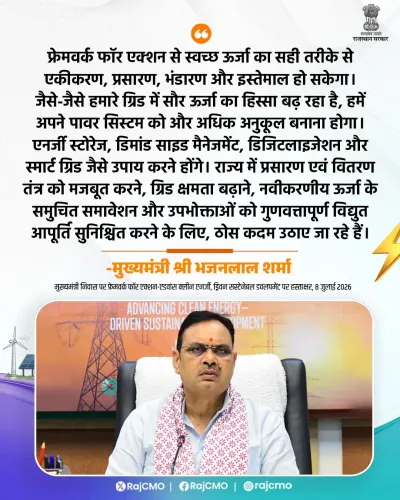
The Rajasthan CMO, on 6 June 2026, reaffirmed Chief Minister Bhajan Lal Sharma's government commitment to clean environment and green development, tagging the CM directly and using the 'Our Leading Rajasthan' campaign hashtag to anchor the message in the state's broader development narrative.
Key Takeaways
The Chief Minister's Office of Rajasthan posted on 6 June 2026 reaffirming the state government's commitment to clean environment and green development.
The post directly tagged Chief Minister Bhajan Lal Sharma , associating him personally with the environmental governance agenda.
The hashtag #आपणो_अग्रणी_राजस्थान ('Our Leading Rajasthan') was used, linking the message to the government's wider state-branding campaign.
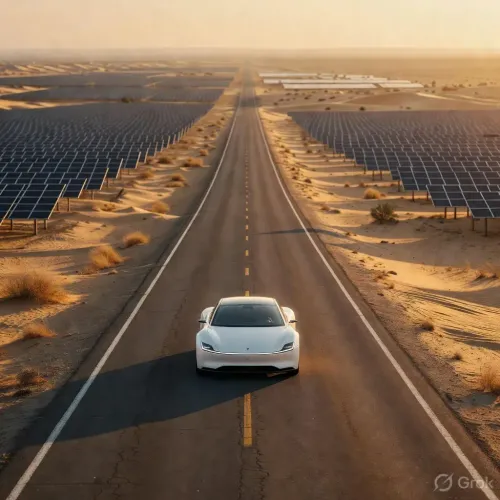
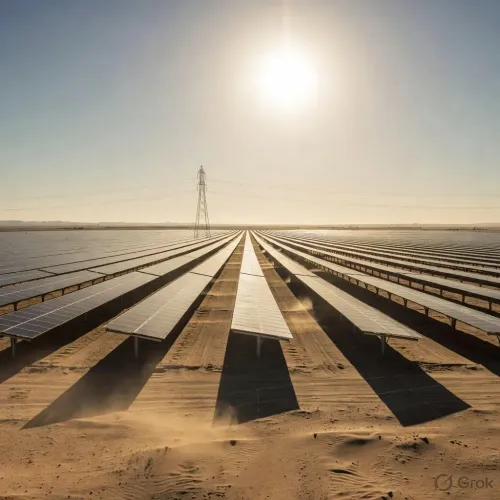
Rajasthan hosts the Bhadla Solar Park in Jodhpur district, one of the world's largest solar installations, underscoring the state's renewable energy credentials.
The BJP-led government took office in December 2023 and has positioned green development as a core pillar of its administration.
India's national net-zero target of 2070 and Paris Agreement commitments form the broader policy framework for the state's environmental push.
The Chief Minister's Office of Rajasthan, on behalf of Chief Minister Bhajan Lal Sharma, reaffirmed the state government's commitment to clean environment and green development on Saturday, 6 June 2026. The post, shared from the official CMO handle, carried the hashtag #आपणो_अग्रणी_राजस्थान ('Our Leading Rajasthan'), signalling the administration's positioning of environmental governance as a pillar of the state's progress narrative.
Context
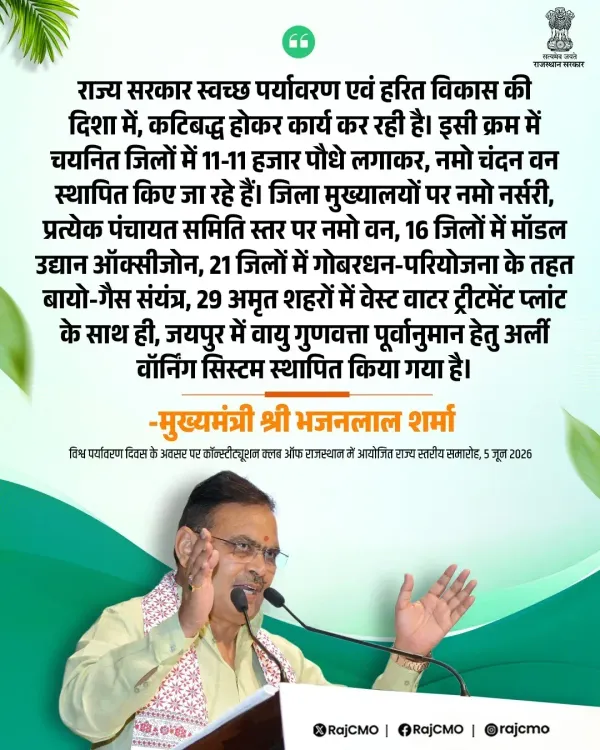
The CMO's post stated, in translation: 'राज्य सरकार स्वच्छ पर्यावरण एवं हरित विकास की दिशा में कटिबद्ध होकर कार्य कर रही है' — 'The state government is working with commitment in the direction of a clean environment and green development.' The message was accompanied by an image and directly tagged Chief Minister Bhajan Lal Sharma, underlining his personal association with the agenda. Such communications from the CMO are typically used to consolidate public messaging around an ongoing policy direction rather than announce a discrete scheme.
Policy Backdrop
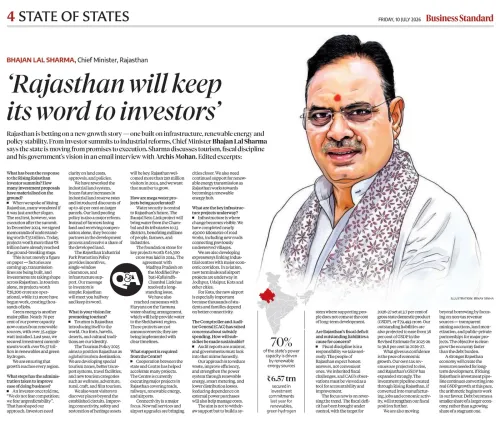
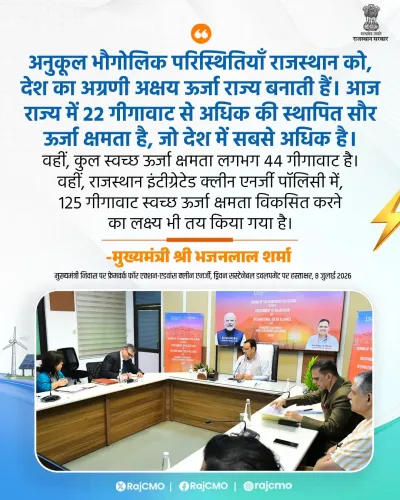
Rajasthan has historically been among India's frontrunners in renewable energy, largely owing to its vast arid and semi-arid terrain. The Bhadla Solar Park in Jodhpur district — developed from around 2015 onwards — is recognised as one of the world's largest solar installations and remains the state's most visible symbol of green infrastructure. The BJP-led state government, which took office in December 2023 under Bhajan Lal Sharma, has continued to frame renewable energy and environmental stewardship as central to its development model. India's broader commitment to achieving net-zero emissions by 2070 and its obligations under the Paris Agreement provide the national policy architecture within which Rajasthan's state-level actions are situated.
Federal-state coordination on climate action has intensified across Indian states, with governments leveraging natural geographic advantages — Rajasthan's solar irradiance and land availability being a prime example — to attract investment in the green economy. The 'green development' framing also reflects a broader BJP governance vocabulary that seeks to align economic growth with environmental credentials.
Stakeholders and Impact
The state's approximately 8 crore residents stand as the primary stakeholders in any environmental policy shift, whether through improved air quality, access to cleaner energy, or sustainable land use. The renewable energy sector — spanning solar developers, equipment manufacturers, and grid operators — watches Rajasthan's policy signals closely, given the state's outsized role in India's clean-energy pipeline. Agricultural communities, which depend on groundwater and land health, are also directly affected by how 'green development' translates into on-ground programmes.
Civil society and environmental groups in the state have long called for stronger enforcement of pollution norms alongside the expansion of renewable capacity, making the government's public reaffirmation of this commitment a point of scrutiny as much as reassurance.
What's Next
Observers will look to upcoming Rajasthan state budget sessions and assembly deliberations for concrete allocations that back the government's stated environmental commitment. Announcements on new solar or wind energy tenders, green corridor projects, or environmental compliance drives would be the clearest indicators that the messaging translates into policy action. The #आपणो_अग्रणी_राजस्थान campaign framing suggests the government intends to sustain this narrative through the political cycle ahead.
Point of View
Designed to publicly anchor Chief Minister Bhajan Lal Sharma's identity with environmental stewardship ahead of what could be a busy policy season. By invoking the 'Our Leading Rajasthan' hashtag, the BJP government is weaving green development into a larger aspirational brand for the state, a tactic increasingly common among ruling parties seeking to neutralise opposition criticism on ecological issues. The signal is consistent with a national BJP pattern of aligning state governance messaging with India's international climate commitments, lending local actions a global legitimacy frame. Whether the rhetoric is matched by budget allocations and enforcement action will determine its political durability.
NationPress
21 Oct 2026
Frequently Asked Questions
What did the Rajasthan CMO post on 6 June 2026?
The Rajasthan Chief Minister's Office posted that the state government is working with commitment towards a clean environment and green development, tagging Chief Minister Bhajan Lal Sharma and using the hashtag #आपणो_अग्रणी_राजस्थान.
Who is the Chief Minister of Rajasthan in 2026?
Bhajan Lal Sharma is the Chief Minister of Rajasthan, having taken office in December 2023 as head of the BJP-led state government.
What is Rajasthan's biggest green energy project?
The Bhadla Solar Park in Jodhpur district is Rajasthan's flagship renewable energy project and is recognised as one of the world's largest solar parks, with development beginning around 2015.
What does 'Aapno Agrani Rajasthan' mean?
'Aapno Agrani Rajasthan' is a Hindi-Rajasthani phrase meaning 'Our Leading Rajasthan,' used as a campaign hashtag by the state government to promote Rajasthan's development and progress narrative.
How does Rajasthan's green development align with India's national climate goals?
Rajasthan's renewable energy and environmental initiatives sit within India's broader commitment to achieving net-zero emissions by 2070 and fulfilling its obligations under the Paris Agreement, with the state leveraging its solar resources as part of federal-state climate coordination.