CM Bhajan Lal: Rajasthan Crosses 50,000 MW Green Energy Mark
Synopsis
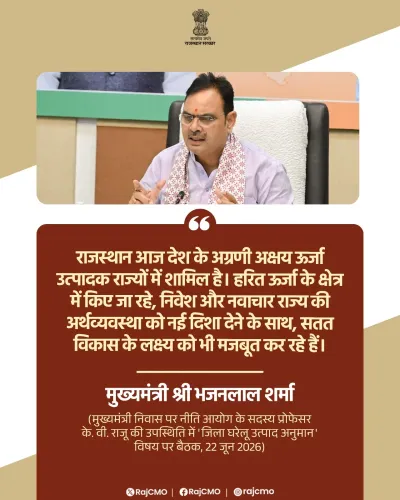
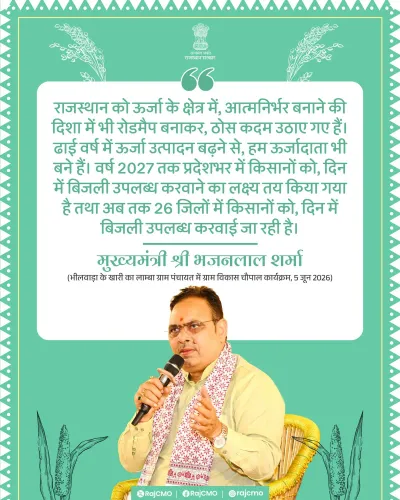
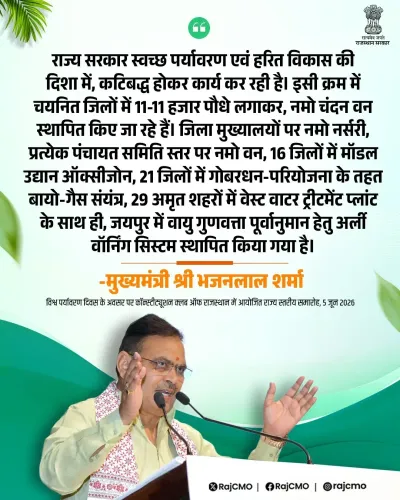
Rajasthan CM Bhajan Lal Sharma announced the state has surpassed 50,000 MW of installed green energy capacity, with 44,135 MW in solar alone — accounting for roughly 27% of India's national solar base and ranking first among all states.
Key Takeaways
Rajasthan has crossed 50,000 MW of total installed green energy capacity, per CM Bhajan Lal Sharma's announcement on 12 August 2026 .
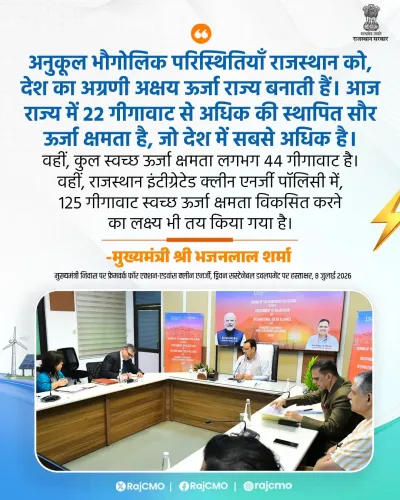
The state's 44,135 MW of solar capacity ranks it first in India for installed solar power.
Rajasthan contributes approximately 27% of India's total installed solar capacity.
CM Sharma credited PM Narendra Modi's guidance and acknowledged the state energy department, DISCOMs, and green energy sector partners.
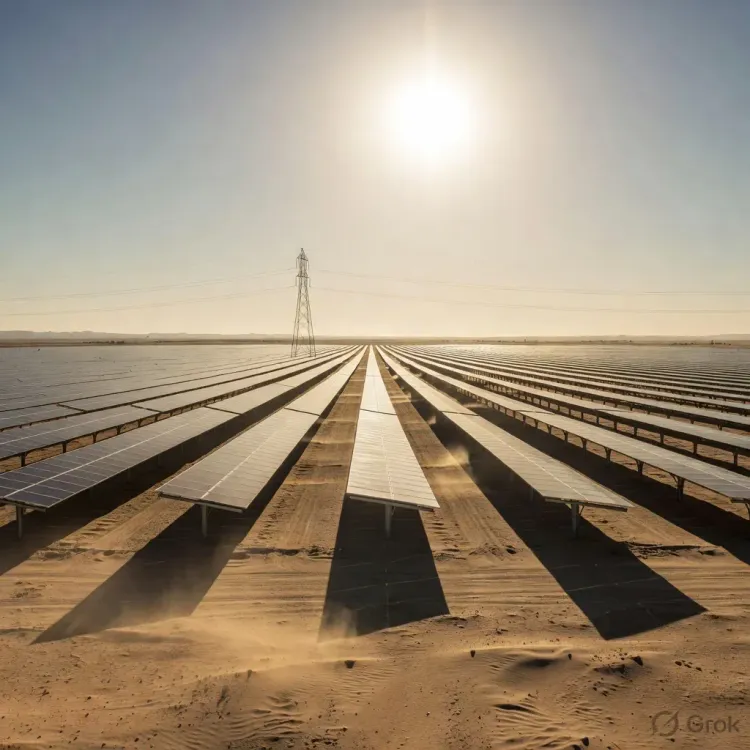
Rajasthan's solar advantage is underpinned by high irradiance in the Thar Desert region and state solar policies dating to 2011 .
Grid integration and renewable purchase obligations remain the key challenge as capacity scales further.
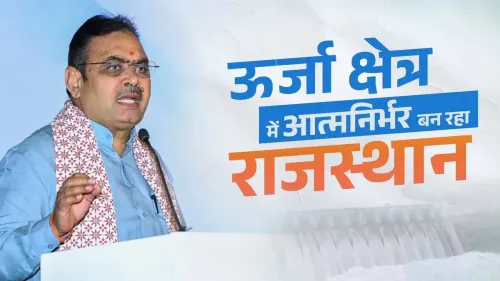
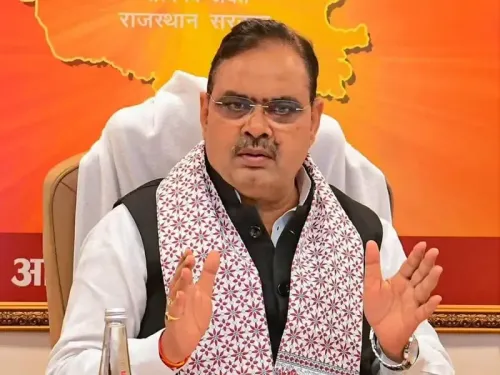
Rajasthan has quietly redrawn India's renewable energy map. Rajasthan Chief Minister Bhajan Lal Sharma announced on Wednesday, 12 August 2026 that the state has crossed 50,000 megawatts of installed green energy capacity — a milestone that cements its position as the undisputed solar capital of the country.
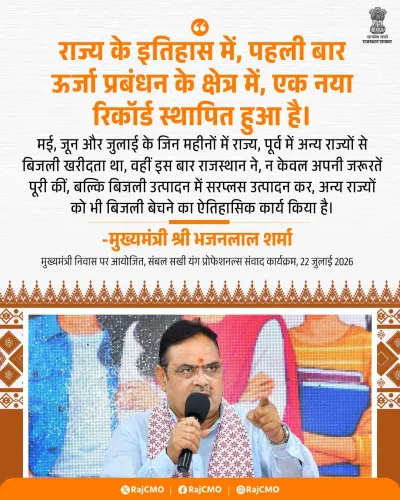
Posting in Hindi on X, CM Sharma stated: 'Rajasthan has achieved a historic feat in the green energy sector by establishing projects with a capacity of more than 50,000 MW. With 44,135 MW of solar energy capacity, Rajasthan stands first in the country and is contributing approximately 27% of the nation's total installed solar capacity.' He credited the achievement to the guidance of Prime Minister Narendra Modi and extended congratulations to the state energy department, DISCOMs, all partners in the green energy sector, and the people of Rajasthan.
How Rajasthan Became India's Solar Powerhouse
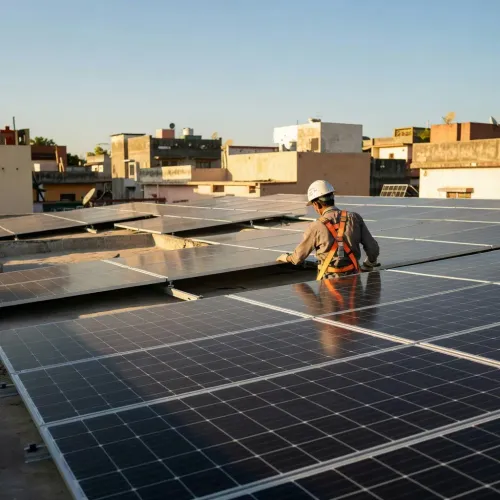
The geography was always in Rajasthan's favour. The state's vast, sun-drenched terrain — particularly the Thar Desert belt — offers some of the highest solar irradiance levels in the subcontinent, making it a natural launchpad for utility-scale solar parks. Successive state solar energy policies from 2011 onwards attracted project developers by offering land facilitation and grid connectivity, laying the groundwork for the capacity surge now being celebrated.
At the national level, the push began in earnest with the Jawaharlal Nehru National Solar Mission launched in 2010, which set the architecture for grid-connected solar procurement across states. Rajasthan's contribution — now claimed at roughly 27% of India's total installed solar base — reflects how state-level policy ambition and central scheme design can compound each other when geography cooperates.
What 50,000 MW Means for the Grid and the State
Scale at this level is not just a trophy — it is a stress test. Integrating 50,000 MW of predominantly intermittent renewable capacity into a state grid demands robust transmission infrastructure, responsive DISCOMs, and tightly managed renewable purchase obligations. The CM's specific acknowledgement of the state's DISCOMs signals that grid absorption, not just project installation, is being framed as part of the victory.
For Rajasthan's residents and industries, energy self-reliance — what the CM called 'ऊर्जा आत्मनिर्भरता' (energy self-reliance) — translates into the prospect of reduced dependence on coal-based power from other states and greater insulation from fuel-price volatility. The hashtag #आपणो_अग्रणी_राजस्थान ('Our Leading Rajasthan') frames the milestone as a point of regional pride, not just an administrative statistic.
The next test will be whether Rajasthan can hold its grid integration edge as new solar park tenders roll out and the state's renewable purchase obligations are revised upward — because at this scale, the real competition is no longer about adding capacity. It is about keeping the lights on when the sun goes down.
Point of View
000 MW announcement is as much a political signal as a policy one — CM Sharma is positioning Rajasthan's renewable surge as a BJP governance dividend, tying it explicitly to PM Modi's national energy vision ahead of a period when state governments are increasingly competing on clean-energy credentials. The 27% national solar share claim, if verified, would be a structurally significant statistic, not merely a ceremonial one, as it implies Rajasthan's grid health directly influences India's overall renewable targets. The emphasis on DISCOMs and energy self-reliance suggests the state is aware that raw installed capacity without grid absorption is a hollow metric — a maturation in how state governments communicate energy progress. Watch for whether new solar park tenders or revised renewable purchase obligations follow this announcement, which would indicate the milestone is a launchpad rather than a landing point.
NationPress
26 Sept 2026
Frequently Asked Questions
What is Rajasthan's total installed green energy capacity in 2026?
According to CM Bhajan Lal Sharma's announcement on 12 August 2026, Rajasthan has crossed 50,000 MW of total installed green energy capacity, including 44,135 MW of solar power.
Is Rajasthan the top solar energy state in India?
Yes, CM Bhajan Lal Sharma stated that Rajasthan ranks first in India for installed solar energy capacity, with 44,135 MW, contributing roughly 27% of the country's total solar base.
Why is Rajasthan a leader in solar energy?
Rajasthan benefits from high solar irradiance levels, particularly across the Thar Desert region, and has had successive state solar energy policies since 2011 to attract large-scale project developers.
What is 'Viksit Rajasthan' in the context of renewable energy?
'Viksit Rajasthan' (Developed Rajasthan) is the state government's development vision, which CM Sharma has linked to goals of clean energy adoption and energy self-reliance as pillars of the state's growth agenda.
What role do DISCOMs play in Rajasthan's renewable energy milestone?
DISCOMs (electricity distribution companies) are responsible for absorbing and distributing the power generated from renewable projects into the grid. CM Sharma specifically acknowledged their role in achieving the 50,000 MW milestone.