Rajasthan tops India in renewable and solar energy capacity
Synopsis
The Chief Minister's Office of Rajasthan declared on 3 November 2026 that the state leads India in renewable energy production and installed solar capacity, citing the state's geography, the Bhadla Solar Park, and years of solar policy investment under CM Bhajanlal Sharma.
Key Takeaways
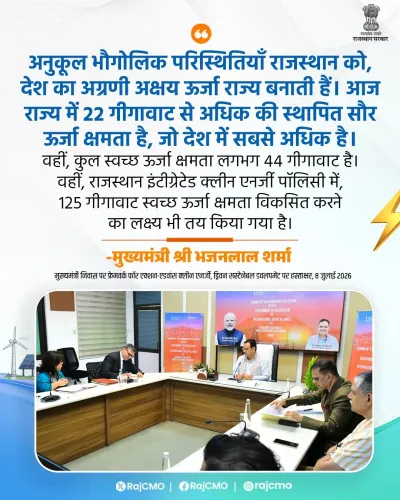
The Rajasthan CMO announced on 3 November 2026 that Rajasthan ranks first in India in both renewable energy production and solar energy capacity installation.
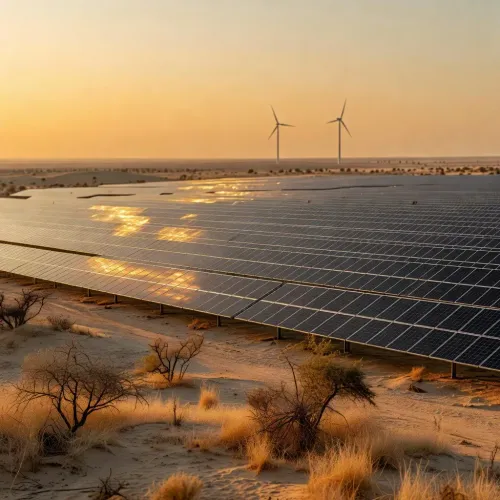
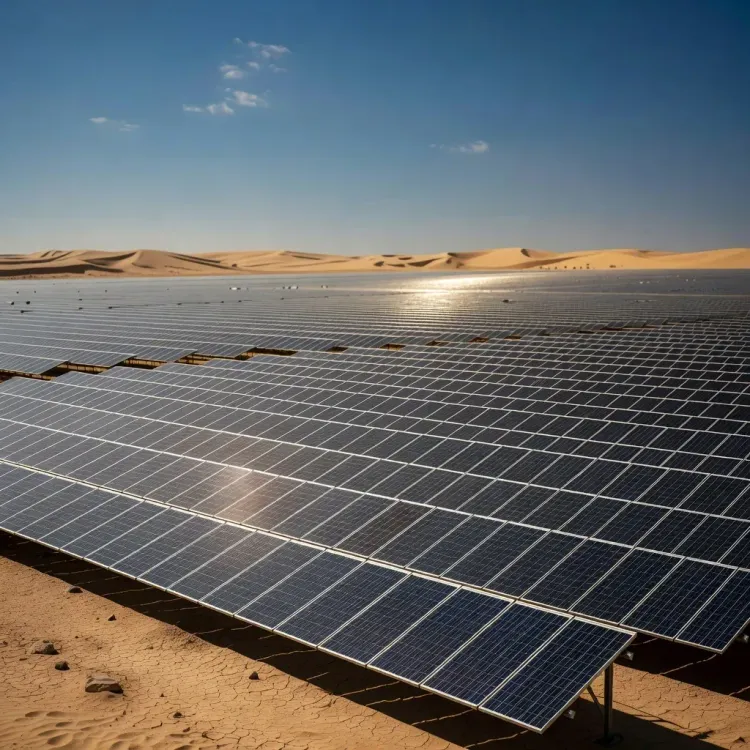
Bhadla Solar Park in Jodhpur district , developed since 2015 and one of the world's largest solar parks, anchors Rajasthan's solar dominance; Phase IV added over 2 GW in 2020.
The Rajasthan Solar Energy Policy 2019 targeted 30 GW of additional solar capacity by 2024-25, underpinning sustained investment in the sector.
The ranking feeds into India's national goal of 500 GW of non-fossil energy capacity by 2030 , with Rajasthan among the top contributor states.
Chief Minister Bhajanlal Sharma , in office since December 2023 , has positioned energy infrastructure as a flagship governance achievement for his administration.
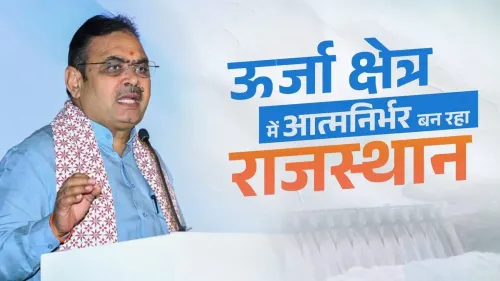
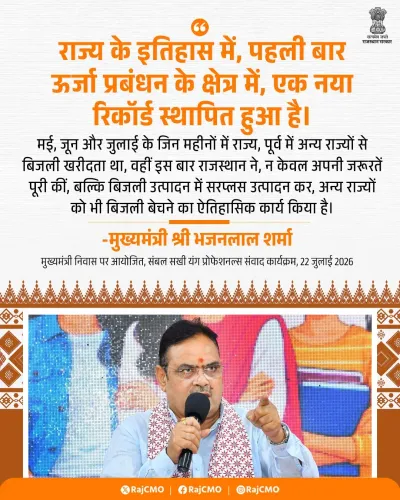
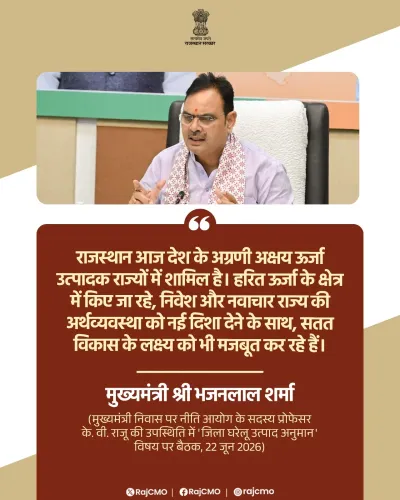
Under the watch of Chief Minister Bhajanlal Sharma, Rajasthan now claims the top spot among all Indian states in both renewable energy production and installed solar energy capacity — a milestone the Chief Minister's Office of Rajasthan announced on Tuesday, 3 November 2026, with unmistakable pride.
The CMO's post, carrying the hashtag #आपणो_अग्रणी_राजस्थान ('Our Leading Rajasthan'), declared: 'Rajasthan stands first in the country in the field of renewable energy production and solar energy capacity installation.'How the Thar Desert became India's solar engine
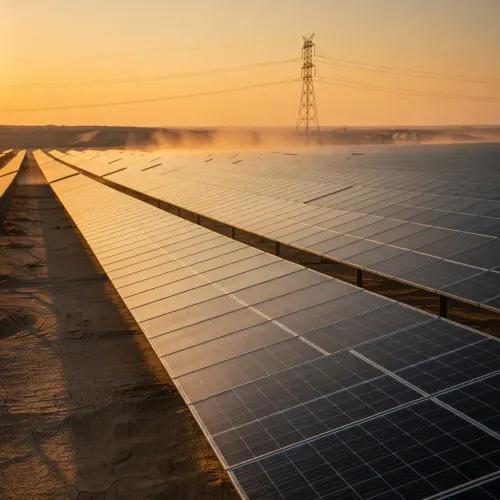
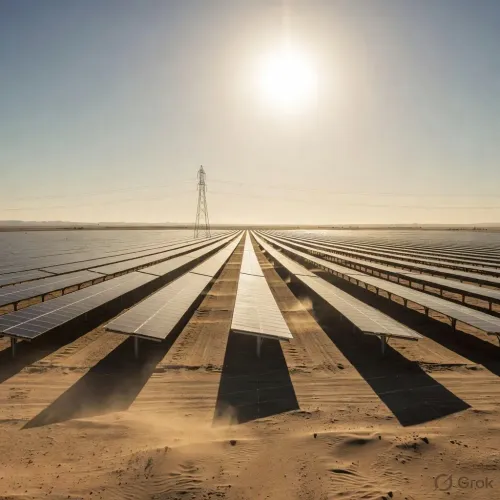
Geography did a lot of the heavy lifting. Rajasthan's vast Thar Desert delivers some of the country's highest solar irradiance levels, making large-scale solar parks not just feasible but economically compelling. The Bhadla Solar Park in Jodhpur district — developed in phases since 2015 and today regarded as one of the world's largest solar facilities — symbolises that advantage made concrete. Phase IV alone, commissioned in 2020, added over 2 GW to the grid in a single stroke.
The policy scaffolding has been decades in the making. The National Solar Mission, launched by the Central government in 2010, set the national ambition for grid-connected solar. Rajasthan layered its own ambition on top with the Rajasthan Solar Energy Policy 2019, targeting an additional 30 GW of solar capacity by 2024-25. That policy signal attracted renewable energy developers and private investors who needed both land and sunlight. Rajasthan had both in abundance.
Rajasthan's place in India's 500 GW race
The national picture gives this ranking its real weight. India has committed to reaching 500 GW of non-fossil energy capacity by 2030, and states like Rajasthan, Gujarat, and Tamil Nadu are doing the heavy lifting. The Ministry of New and Renewable Energy publishes periodic state-wise rankings that have consistently placed Rajasthan at or near the summit on solar installations — a competition that is intensifying as every state scrambles to attract green investment.
For CM Bhajanlal Sharma, the ranking is also a political dividend. Having taken office in December 2023, his government has leaned hard into energy infrastructure as a marker of governance performance. Associating his tenure with a national number-one ranking in a sector that is both economically strategic and environmentally resonant is precisely the kind of credential that travels well beyond state borders.
The next Central Electricity Authority quarterly report on state-wise renewable capacity will be the definitive scorecard — and Rajasthan's government clearly wants to be standing at the top of it when those numbers land.
Point of View
Claiming this milestone publicly is a calculated move to anchor its identity in development optics ahead of future electoral cycles. The broader pattern is instructive: as India's 500 GW non-fossil target intensifies competition among states, renewable rankings are fast becoming political currency, not just technical statistics. The real test will be whether Rajasthan can sustain that lead as Gujarat and Tamil Nadu scale up their own aggressive solar auction programmes.
NationPress
3 Nov 2026
Frequently Asked Questions
Is Rajasthan number one in solar energy in India?
The Chief Minister's Office of Rajasthan declared on 3 November 2026 that Rajasthan holds first place in India for both renewable energy production and installed solar energy capacity, citing the state's large-scale solar parks and sustained policy investment.
What is the Bhadla Solar Park?
Bhadla Solar Park in Jodhpur district, Rajasthan, is one of the world's largest solar parks, developed in phases since 2015. Phase IV alone, commissioned in 2020, contributed over 2 GW of capacity to the national grid.
What is Rajasthan's solar energy policy?
The Rajasthan Solar Energy Policy 2019 set a target of adding 30 GW of solar capacity by 2024-25, attracting large-scale private and public investment in the state's renewable sector.
Who is the Chief Minister of Rajasthan?
Bhajanlal Sharma of the BJP has served as Chief Minister of Rajasthan since December 2023, and his government has championed renewable energy infrastructure as a key governance priority.
What is India's renewable energy target for 2030?
India has set a national target of 500 GW of non-fossil energy capacity by 2030, with states like Rajasthan, Gujarat, and Tamil Nadu leading solar capacity additions toward that goal.