Rajasthan wins WHO World No Tobacco Day Award 2026 for South-East Asia
Synopsis
Rajasthan has claimed the top WHO World No Tobacco Day Award 2026 for the South-East Asia Region — a first for the state — backed by 500+ geo-tagged cessation centres, 83,000 tobacco-free schools, and 2,55,000 ground-level awareness activities. It is a rare instance of a sub-national government winning global recognition for a public health programme, and could set a replication template for other Indian states struggling with COTPA compliance.
Key Takeaways
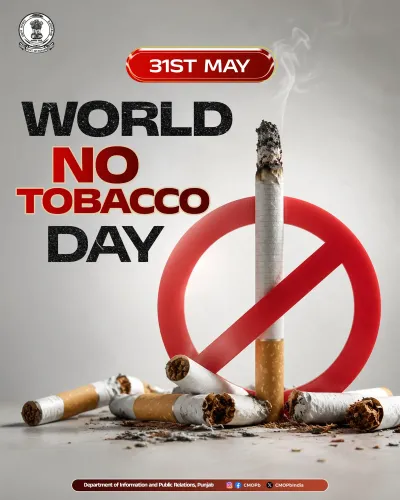
Rajasthan's Department of Medical and Health won the top honour in the South-East Asia Region at the WHO World No Tobacco Day Awards 2026 .
More than 500 tobacco cessation and counselling centres are operational across the state, geo-tagged and integrated with digital platforms.
Over 83,000 schools are compliant with 'Tobacco-Free School' guidelines.
Approximately 2,55,000 awareness activities — including street plays, rallies, and competitions — were conducted across Rajasthan.
The 'Tobacco-Free Village' campaign is linked to the Ayushman Adarsh Gram Yojana for rural community participation.
Enforcement has been carried out under the Cigarettes and Other Tobacco Products Act, 2003 and the Prohibition of Electronic Cigarettes Act, 2019 .
The Department of Medical and Health, Government of Rajasthan, has been conferred the top honour in the South-East Asia Region at the World Health Organization's World No Tobacco Day Awards 2026, recognising the state's exemplary tobacco control initiatives during 2025-26. The award places Rajasthan at the forefront of public health governance in the region and signals a measurable shift in how Indian states approach anti-tobacco policy.
What the Award Recognises
The WHO World No Tobacco Day Awards are conferred annually across six global regions — the African Region, the Region of the Americas, the Eastern Mediterranean Region, the European Region, the South-East Asia Region, and the Western Pacific Region. Rajasthan's Department of Medical and Health secured the top position within the South-East Asia Region for its sustained, multi-pronged approach to reducing tobacco use across the state.
Key Developments in Rajasthan's Tobacco Control Drive
The state currently operates more than 500 tobacco cessation treatment and counselling centres, with coverage extending to the block level. These centres have been geo-tagged and integrated with digital platforms, allowing citizens to locate the nearest facility with ease. Over 83,000 schools have been brought under 'Tobacco-Free School' guidelines, while the 'Tobacco-Free Village' campaign is being actively rolled out across rural Rajasthan, linked to the Ayushman Adarsh Gram Yojana to ensure community-level participation.
Enforcement has been strengthened under the Cigarettes and Other Tobacco Products Act, 2003 and the Prohibition of Electronic Cigarettes Act, 2019. Awareness campaigns on social media generated more than 60,000 messages and public outreach activities, while approximately 2,55,000 awareness activities — including street plays, rallies, and public competitions — were organised across the state.
What the Government Said
Chief Minister Bhajanlal Sharma said the honour reflects the state government's 'unwavering commitment to public health, effective policy implementation, and its vision of building a Tobacco-Free Rajasthan.' He added that the government is 'continuously taking concrete and result-oriented steps to protect citizens, especially the youth, from the harmful effects of tobacco consumption.'
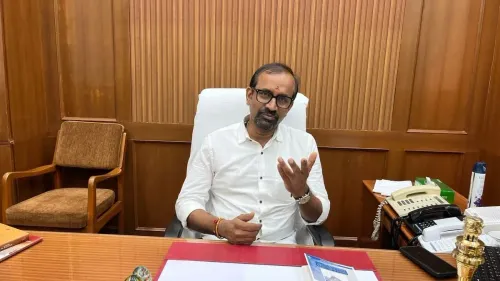
Medical and Health Minister Gajendra Singh Khimsar described Rajasthan as 'a benchmark model for tobacco control across the country,' noting that tobacco cessation services have been significantly expanded, benefiting lakhs of people. He affirmed that the government will continue strengthening the movement through enhanced awareness campaigns and stricter enforcement in the coming years.
Why This Recognition Matters
India carries one of the world's heaviest tobacco burdens, with tobacco use linked to a significant share of cancer and cardiovascular disease deaths annually. A state-level WHO recognition in this context is notable — it signals that sub-national governments can drive meaningful public health outcomes through consistent enforcement and grassroots outreach, without waiting for central mandates. Notably, Rajasthan's model integrates digital infrastructure with on-ground campaigns, a combination that public health experts have increasingly advocated as the most effective approach for behaviour change at scale.
The award also arrives as several Indian states are under pressure to improve compliance with the COTPA framework, making Rajasthan's recognition a potential reference point for policy replication elsewhere.
Point of View
83,000 schools, 2,55,000 outreach events — but the harder question is impact on prevalence rates, which the announcement does not address. India's tobacco burden remains among the world's largest, and state-level awards can risk becoming PR milestones unless accompanied by published data on actual quit rates and reduced consumption. The model's real value will be tested if other high-burden states attempt to replicate it: does the geo-tagged, block-level infrastructure translate to behaviour change, or does it remain a well-organised compliance exercise? The linkage with Ayushman Adarsh Gram Yojana is the most structurally interesting element — embedding tobacco cessation within an existing welfare architecture is precisely the kind of integration that public health literature says works.
NationPress
24 Sept 2026
Frequently Asked Questions
What is the WHO World No Tobacco Day Award 2026 that Rajasthan won?
It is an annual international honour conferred by the World Health Organization across six global regions to recognise outstanding contributions to tobacco control. Rajasthan's Department of Medical and Health secured the top position in the South-East Asia Region for its tobacco control work during 2025-26.
Why did Rajasthan receive this WHO recognition?
Rajasthan was recognised for a comprehensive tobacco control programme that includes over 500 geo-tagged cessation centres, compliance in 83,000 schools under 'Tobacco-Free School' guidelines, approximately 2,55,000 awareness activities, and enforcement drives under the Cigarettes and Other Tobacco Products Act, 2003 and the Prohibition of Electronic Cigarettes Act, 2019.
How many tobacco cessation centres does Rajasthan have?
Rajasthan currently operates more than 500 tobacco cessation treatment and counselling centres, with services extending to the block level. These centres are geo-tagged and integrated with digital platforms so that citizens can easily locate the nearest facility.
What is the 'Tobacco-Free Village' campaign in Rajasthan?
It is a state-run initiative to eliminate tobacco use in rural Rajasthan, actively linked to the Ayushman Adarsh Gram Yojana to ensure broad-based community participation at the village level.
Who are the key officials behind Rajasthan's tobacco control programme?
Chief Minister Bhajanlal Sharma has championed the 'Tobacco-Free Rajasthan' vision, while Medical and Health Minister Gajendra Singh Khimsar has overseen implementation. The programme also credits district administrations, healthcare personnel, and social organisations across the state.