Is the Conservation of Heritage Stepwells a Priority for Rajasthan's Government?
Synopsis
Rajasthan's Deputy Chief Minister, Diya Kumari, emphasizes the state's commitment to the conservation of heritage stepwells and havelis, with Mandawa being transformed into a model heritage town. The ongoing projects aim to enhance tourism infrastructure and preserve the region's rich cultural history.
Key Takeaways
Heritage stepwells preservation is prioritized by Rajasthan's government.
Mandawa is being developed as a model heritage town.
Initiatives aim to enhance tourism infrastructure .
Comprehensive plans for havelis conservation are underway.
Assessment of hotel accommodations to meet increasing tourist demand.
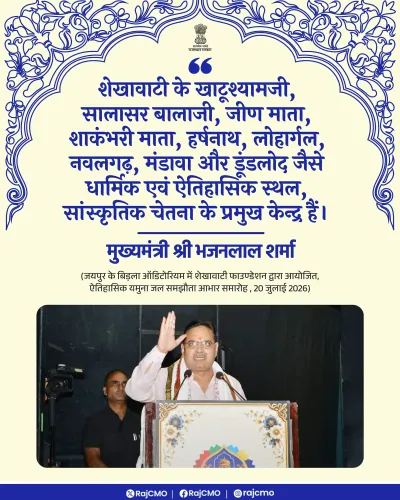
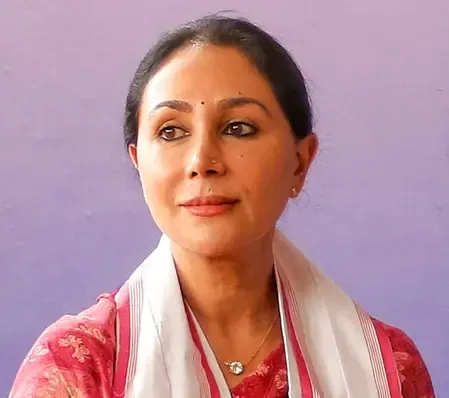
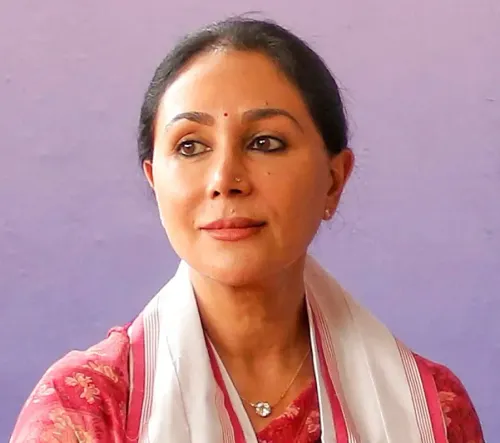
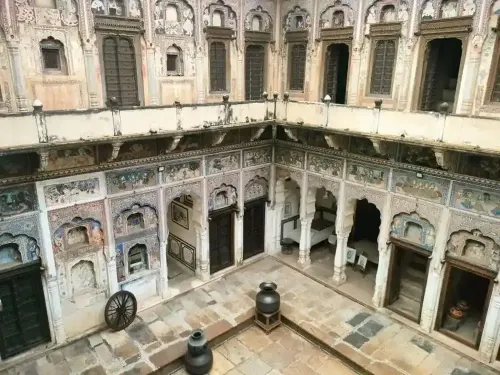
Jaipur, Jan 22 (NationPress) The Deputy Chief Minister of Rajasthan, Diya Kumari, who also holds the portfolio for Tourism, Arts and Culture, stated on Thursday that the preservation of heritage stepwells is a primary focus for the state government, alongside efforts to maintain the iconic havelis of Shekhawati. Moreover, the town of Mandawa is set to be developed into a model heritage site.
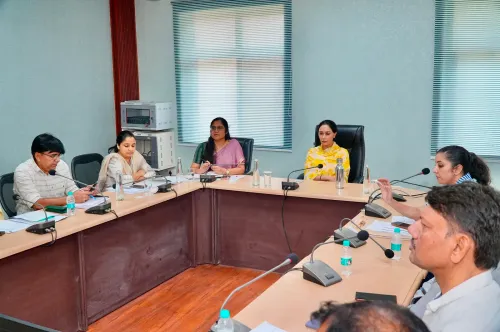
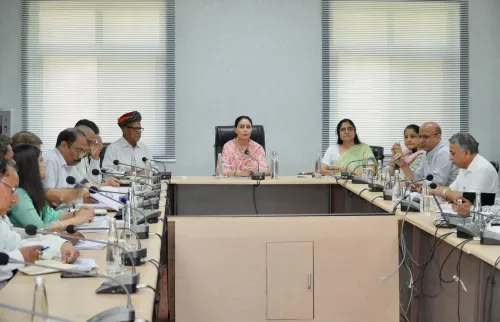
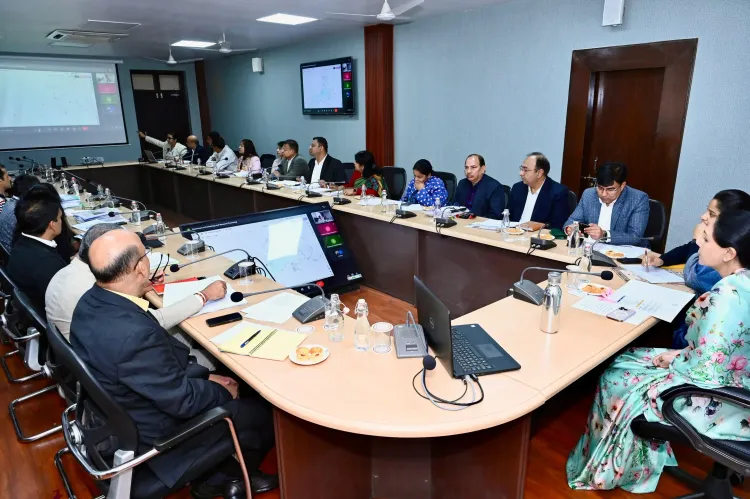
During a review meeting held at Tourism Bhawan regarding pending matters in the Tourism and Arts and Culture Departments, Diya Kumari assessed the status of several critical projects in the company of Tourism Commissioner Rukmini Riyad.
The projects under review included a tourism mobile application, the Amer Master Plan, digitisation of archives, media procurement, the Pratap Tourist Circuit, Pushkar Corridor, JKK tender, renovation of Ravindra Rangmanch, the RTICE Board, land allocation for the MICE Centre, and the Albert Hall tender.
The Deputy Chief Minister urged officials to guarantee the prompt execution of all initiatives according to established timelines.
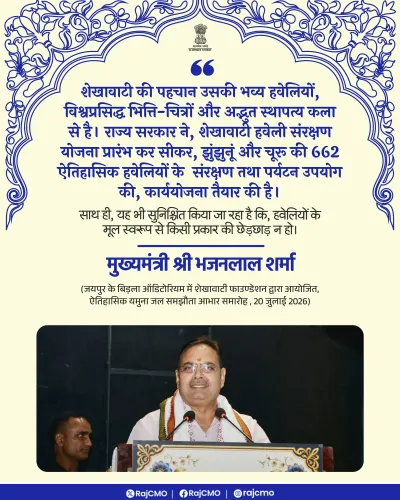
In her evaluation of the conservation efforts for Shekhawati’s havelis, Diya Kumari instructed officials to draft a thorough action plan aimed at making Mandawa a benchmark for heritage preservation.
She also emphasized the need for a detailed strategy for the safeguarding of the state's ancient stepwells, advocating for the incorporation of best practices from other successful conservation projects.
During the meeting, which included representatives from the UDH and LSG departments as well as hotel industry stakeholders, discussions focused on enhancing facilities within the hospitality sector and addressing industry challenges.
The Deputy Chief Minister highlighted that streamlined land allotment processes, expedited approvals, licensing, fire NOCs, and other governmental clearances would empower the hotel sector to contribute more substantially to tourism growth. She underscored the importance of prioritizing a single-window clearance system.
Following the meeting, Diya Kumari informed reporters that considerable progress is being made in conserving stepwells throughout Rajasthan, with numerous projects approaching completion.
She also mentioned that comprehensive documentation of all conservation activities related to stepwells is being prepared, which will serve as a foundation for identifying additional stepwells for future preservation.
Additionally, she noted that efforts related to the preservation of manuscripts—a crucial element of the state's cultural heritage—are advancing, with necessary directives already issued.
The Deputy Chief Minister affirmed that budgetary provisions for the current financial year have been effectively implemented and discussions are ongoing regarding significant proposals for inclusion in the next budget.
Emphasizing the necessity to enhance tourism infrastructure, she indicated that measures are being taken to improve road, rail, and air connectivity within the state.
She pointed out that expanding air connectivity would significantly enhance tourist arrivals from both domestic and international sources. The government is committed to upgrading amenities at tourist locations and ensuring uninterrupted services, even during peak tourist seasons.
To cater to increasing demand, an assessment of hotel room availability is currently underway, with plans to boost the number of three-star and four-star hotels across the state.
Point of View
I believe the Rajasthan government's initiatives to preserve its heritage reflect an important commitment to cultural conservation. By prioritizing the preservation of stepwells and havelis, the state is not only protecting its history but also enhancing its tourism potential, which is crucial for economic growth.
NationPress
7 Oct 2026
Frequently Asked Questions
What are the key initiatives for heritage conservation in Rajasthan?
The key initiatives include the conservation of heritage stepwells, preservation of havelis in Shekhawati, and the development of Mandawa as a model heritage town.
How is the Rajasthan government improving tourism infrastructure?
The government is enhancing road, rail, and air connectivity, streamlining land allotment processes, and increasing hotel accommodations to better serve tourists.
What are the current projects related to tourism in Rajasthan?
Current projects include the Amer Master Plan, digitization of archives, and development of tourist circuits like the Pratap Tourist Circuit and Pushkar Corridor.
What steps are being taken to conserve stepwells?
A comprehensive action plan is being developed, incorporating best practices from successful conservation models to ensure effective preservation.
How does the government plan to document conservation efforts?
Comprehensive documentation of all stepwell conservation activities is being prepared to identify additional stepwells for future preservation.