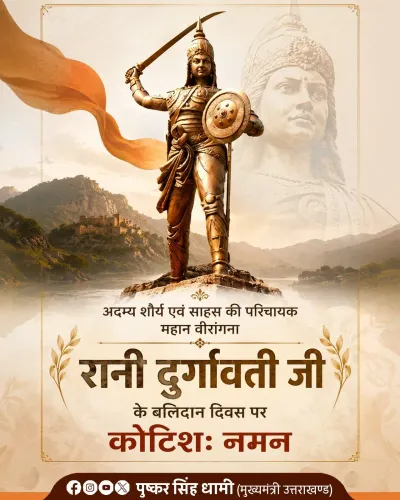
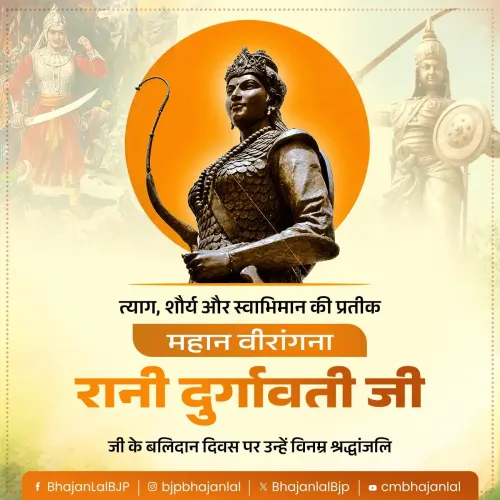
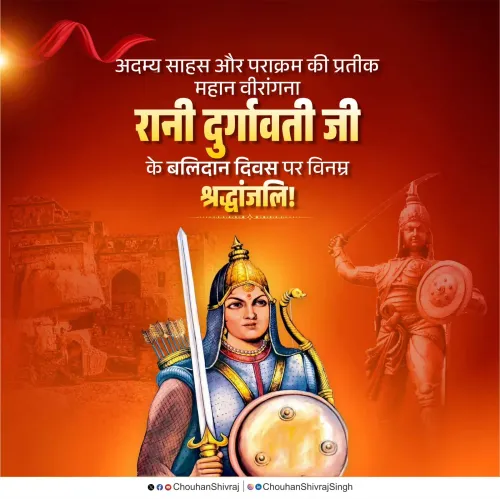
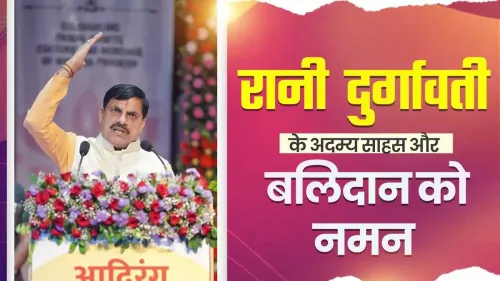
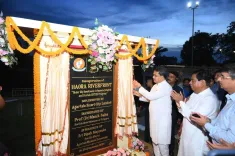
Rajnath Singh pays tribute to Rani Durgavati on Balidan Diwas
Synopsis
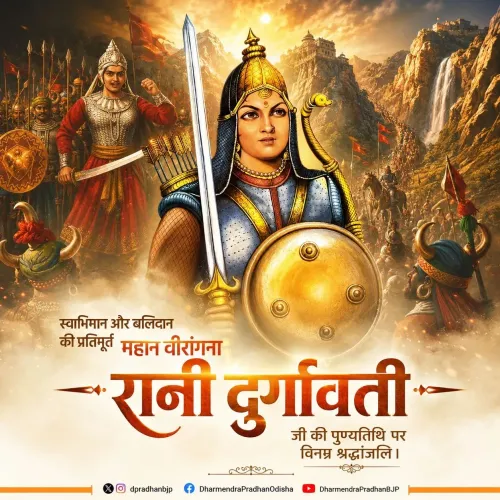
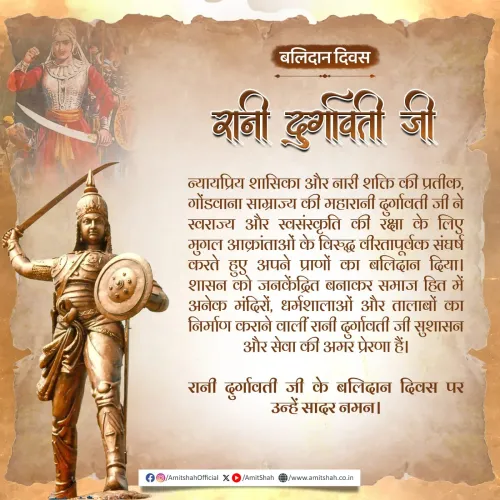
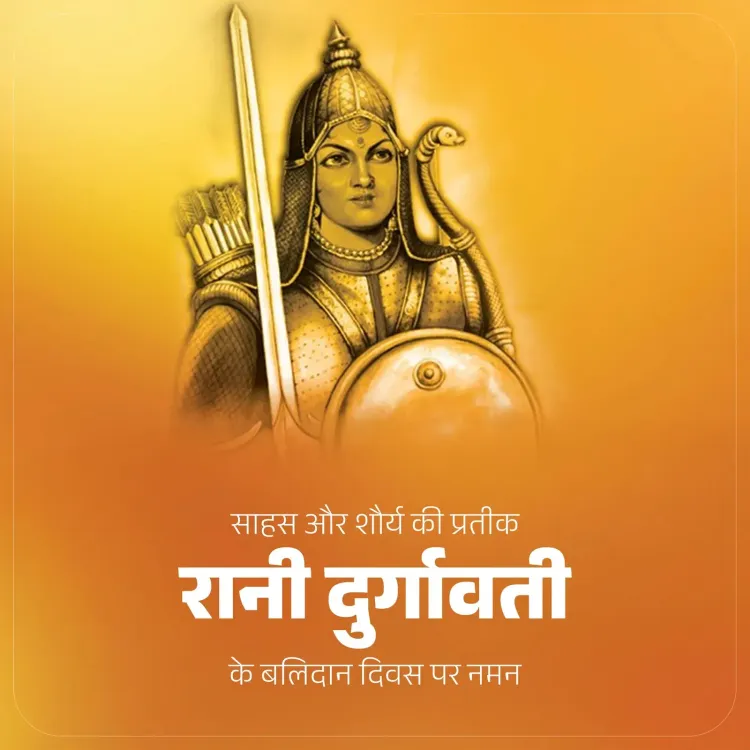
Union Defence Minister Rajnath Singh on 24 June 2026 honoured 16th-century Gond queen Rani Durgavati on her martyrdom anniversary, calling her supreme sacrifice a glorious chapter in Indian history and an enduring inspiration for patriotism and national duty.
Key Takeaways
Rajnath Singh posted a tribute to Rani Durgavati on her Balidan Diwas, 24 June 2026 .
Rani Durgavati was a 16th-century Gond queen who died in battle against Mughal forces on 24 June 1564 .
Singh described her as the pinnacle of valour and called her sacrifice 'a glorious chapter in Indian history.' He said her legacy would continue to inspire coming generations with patriotism, duty, and sacrifice.
The tribute is part of a broader BJP pattern of publicly honouring pre-colonial Indian rulers and warriors on their historical anniversaries.
Official commemorations are expected in Madhya Pradesh and Chhattisgarh , where her legacy holds deep cultural significance.
Union Defence Minister Rajnath Singh on Wednesday, 24 June 2026, paid homage to the 16th-century Gond queen Rani Durgavati on her Balidan Diwas (martyrdom anniversary), honouring her as a supreme symbol of courage and sacrifice in defence of the motherland and Indian culture.
Context
In his post, Rajnath Singh described Rani Durgavati as the embodiment of 'shaurya evam parakram ki parakashtha' — the pinnacle of valour and might. He wrote that her supreme sacrifice is 'a glorious chapter in Indian history that will continue to inspire coming generations with patriotism, sense of duty, spirit of renunciation and sacrifice.' He concluded with a respectful salutation: 'Maharani Durgavati ji ke Balidan Diwas par unhe naman!' (Salutations to Maharani Durgavati on her martyrdom day.)
Rani Durgavati ruled the Gond kingdom in central India and is remembered for her fierce resistance against Mughal forces under Emperor Akbar. She died in battle on 24 June 1564, choosing death over surrender — a moment enshrined in popular memory as an act of supreme patriotism.
Policy Backdrop
Senior BJP ministers and leaders have consistently issued formal tributes to pre-colonial Indian rulers and warriors on their historically observed anniversaries. These statements are part of a broader governmental effort to foreground indigenous martial traditions and figures of resistance in public discourse, particularly those from central India's tribal and Gond heritage.
The Ministry of Defence and allied institutions have, in recent years, incorporated narratives of regional warrior queens and commanders into outreach programmes targeting Indian youth and defence aspirants, framing historical sacrifice as a model for contemporary national duty.
Stakeholders and Impact
The tribute carries symbolic weight for communities in Madhya Pradesh and Chhattisgarh, where Rani Durgavati is a revered cultural and historical figure. Her legacy is particularly significant among Gond tribal communities, and official commemorations at the state level often coincide with her martyrdom anniversary on 24 June.
For the Indian defence establishment and youth-oriented programmes, such tributes reinforce a narrative linking historical sacrifice with present-day service to the nation — a message that resonates with recruitment and civic-education campaigns.
What's Next
State governments in Madhya Pradesh and Chhattisgarh are expected to hold official commemorative events marking Rani Durgavati's Balidan Diwas. Observers will watch for any references to her legacy in defence ministry outreach, school curricula updates, or cultural initiatives that align with ongoing efforts to integrate regional heroic figures into the national historical canon.
Point of View
Particularly those from central India's tribal and Gond heritage. By invoking themes of duty, sacrifice, and cultural defence, the Defence Minister reinforces a political vocabulary that links historical martyrdom to present-day national service. The timing — on the precise calendar anniversary of her death — amplifies the message's reach in states like Madhya Pradesh and Chhattisgarh, where she commands deep reverence. Such tributes increasingly serve a dual function: cultural affirmation for regional communities and a broader ideological framing of Indian history centred on indigenous resistance.
NationPress
23 Sept 2026
Frequently Asked Questions
Who was Rani Durgavati?
Rani Durgavati was a 16th-century queen of the Gond kingdom in central India who is celebrated for her fierce resistance against Mughal forces under Emperor Akbar. She died in battle on 24 June 1564, choosing death over surrender.
When is Rani Durgavati Balidan Diwas observed?
Rani Durgavati's Balidan Diwas, or martyrdom day, is observed on 24 June each year, marking the date she died in battle in 1564.
What did Rajnath Singh say about Rani Durgavati?
Rajnath Singh called Rani Durgavati the pinnacle of valour and might, saying her supreme sacrifice is a glorious chapter in Indian history that will continue to inspire future generations with patriotism, duty, and the spirit of sacrifice.
Why do BJP leaders pay tribute to Rani Durgavati?
Senior BJP leaders regularly honour pre-colonial Indian rulers and warriors on their historical anniversaries as part of a broader effort to highlight indigenous martial traditions and figures of resistance in public discourse.
Where is Rani Durgavati most celebrated in India?
Rani Durgavati is most celebrated in Madhya Pradesh and Chhattisgarh, the regions of her Gond kingdom, where official commemorations and cultural events are held on her martyrdom anniversary.