Rajnath Singh marks 150 years of Vande Mataram
Synopsis
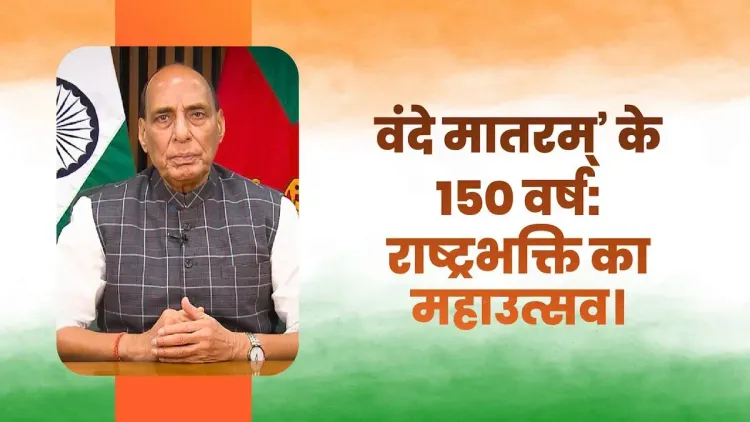
Union Defence Minister Rajnath Singh marked the 150th anniversary of Vande Mataram on Independence Day eve, calling it the voice of India's national consciousness and urging citizens to celebrate the milestone as a grand festival of patriotism and national service.
Key Takeaways
Rajnath Singh posted on 14 August 2026 , the eve of Independence Day, marking 150 years of Vande Mataram .
He described the song as 'the voice of India's national consciousness and unbreakable devotion to the motherland,' not merely a national song.
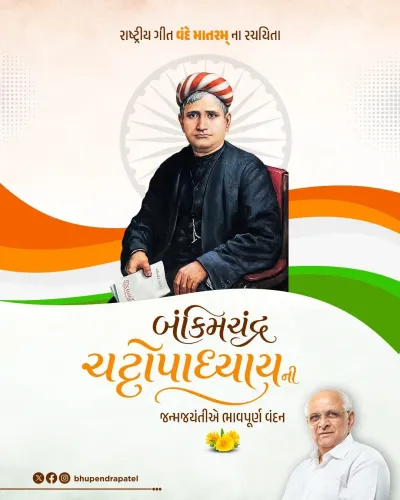
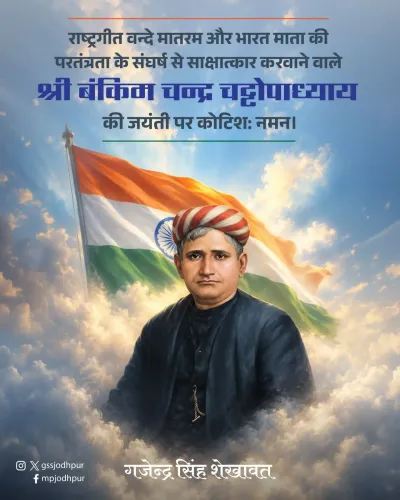
Bankim Chandra Chatterjee , the 19th-century Bengali writer, composed Vande Mataram and included it in his novel Anandamath .
The Constituent Assembly formally adopted Vande Mataram as India's national song in January 1950 , distinct from the national anthem Jana Gana Mana.
Singh called on all citizens to celebrate the sesquicentennial as a 'grand festival of patriotism and national service.'
One hundred and fifty years after a Bengali novelist set down a few verses that would eventually move a nation to its feet, Union Defence Minister Rajnath Singh has called on every Indian to mark the milestone as a grand festival of patriotism and national service. Posting on the eve of Independence Day, 14 August 2026, Singh framed the 150th anniversary of Vande Mataram not as a calendar footnote but as a moment of collective reckoning with what the song has always meant.
In his post, Singh wrote: 'Vande Mataram' kevl hamara rashtriya geet nahin, balki Bharat ki rashtra-chetna aur matrubhumi ke prati atoot samarpan ka swar hai — 'Vande Mataram is not merely our national song, but the voice of India's national consciousness and unbreakable devotion to the motherland.' He invited citizens to celebrate this 'historic milestone as a grand festival of patriotism and national service.'
From Anandamath to the Constituent Assembly
The song's journey to national symbol spans more than a century of turbulence. Bankim Chandra Chatterjee, the 19th-century Bengali writer and novelist, composed Vande Mataram and wove it into his novel Anandamath, where it served as a hymn of resistance. During the freedom movement it became a rallying cry — sung in protest marches, whispered in prison cells, and roared at colonial administrators.
When India's Constituent Assembly convened to shape the republic's foundational symbols, it designated Jana Gana Mana as the national anthem and, in January 1950, formally adopted Vande Mataram as the national song — a distinction that carries equal honour even if it draws a constitutional line between the two.
Why the 150th anniversary lands differently
Senior ministers invoking national symbols ahead of Independence Day is a familiar cadence in Indian political communication. But a sesquicentennial is a harder number to dismiss. 150 years stretches the song's arc from colonial Bengal through the independence struggle, partition, republic, and now a 21st-century democracy still negotiating its relationship with its own founding emotions.
Singh's framing — rashtra-chetna, or national consciousness — deliberately elevates the song beyond ceremony. It positions Vande Mataram as a living idea rather than a preserved artefact, a distinction that carries weight when the government is expected to announce nationwide commemorative events through the course of 2026.
As the tricolour rises across the country on 15 August, the verses Chatterjee wrote in 19th-century Bengal will once again be heard from school grounds to parliament lawns — 150 years old, and, if Singh's call is answered, louder than ever.
Point of View
But the 150th anniversary gives this cycle unusual symbolic weight. By framing the song as 'national consciousness' rather than mere ceremony, Singh is signalling an intent to anchor upcoming government commemorations in cultural nationalism. The post fits a broader BJP communication arc that consistently elevates pre-independence cultural symbols as touchstones of contemporary Indian identity. Whether the government follows with substantive nationwide programming will determine if this remains messaging or becomes a genuine public moment.
NationPress
28 Sept 2026
Frequently Asked Questions
What is the 150th anniversary of Vande Mataram about?
The 150th anniversary marks roughly 150 years since Bankim Chandra Chatterjee composed Vande Mataram, a song that became India's national song when the Constituent Assembly adopted it in January 1950. In 2026, the government and public figures including Defence Minister Rajnath Singh are marking the milestone with calls for nationwide celebrations.
Who wrote Vande Mataram?
Vande Mataram was composed by Bankim Chandra Chatterjee, a 19th-century Bengali novelist and writer. He included it in his novel Anandamath, and it later became a rallying cry during India's freedom movement.
What is the difference between India's national anthem and national song?
India's national anthem is Jana Gana Mana, adopted by the Constituent Assembly. Vande Mataram was designated the national song in January 1950 — it holds equal honour but is constitutionally distinct from the anthem.
What did Rajnath Singh say about Vande Mataram?
Rajnath Singh said Vande Mataram is not merely India's national song but 'the voice of India's national consciousness and unbreakable devotion to the motherland.' He called on citizens to celebrate the 150th anniversary as a grand festival of patriotism and national service.
When did India adopt Vande Mataram as the national song?
The Constituent Assembly adopted Vande Mataram as India's national song in January 1950, around the same time the Constitution came into force.