Rajnath Singh marks 1975 Emergency anniversary, warns against authoritarianism
Synopsis
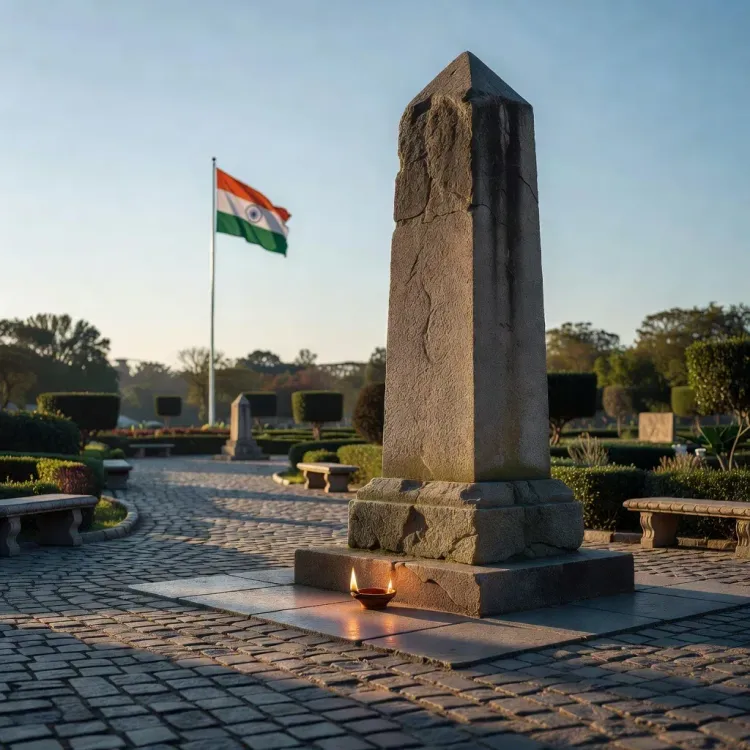
Union Defence Minister Rajnath Singh marked the 51st anniversary of the 1975 Emergency on 25 June 2026, calling it India's darkest democratic chapter. He warned against authoritarianism, paid tribute to those who resisted Emergency excesses, and reaffirmed the Modi government's commitment to the Constitution and democratic institutions.
Key Takeaways
Rajnath Singh posted on 25 June 2026 , the 51st anniversary of the imposition of the 1975 Emergency .
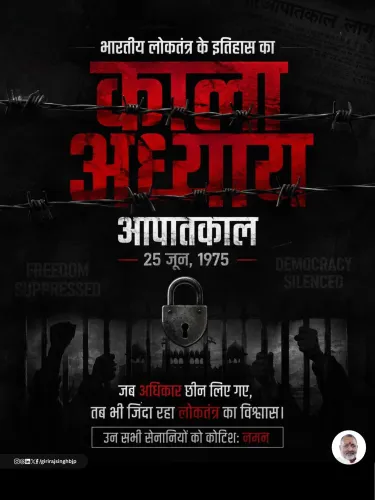
He described the Emergency as 'one of the darkest chapters in the history of Indian democracy,' citing curtailed free speech, judicial interference, and citizens' rights violations.
Singh warned that authoritarianism by those in power puts 'citizens, democratic institutions, and constitutional values' under serious threat.
He reaffirmed that the government under Prime Minister Narendra Modi is committed to upholding the Constitution of India in 'letter and spirit.' The minister paid tribute to all who 'courageously defended democracy and the Constitution' during the 1975–77 Emergency period .
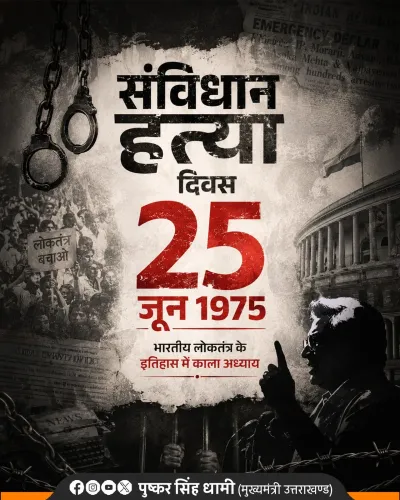
The statement continues a post-2014 BJP pattern of annually marking 25 June to contrast the party's constitutional record with the Emergency-era Congress government.
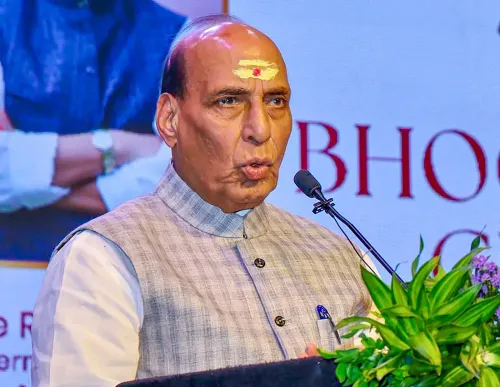
Union Defence Minister Rajnath Singh on Thursday, 25 June 2026 marked the 51st anniversary of the imposition of the Emergency, calling the 1975–77 period one of the darkest chapters in Indian democratic history and reaffirming the government's commitment to constitutional values.
Context
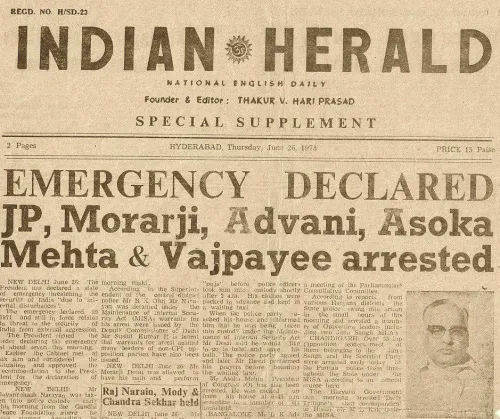
The Emergency was proclaimed on 25 June 1975 by then-President Fakhruddin Ali Ahmed on the advice of Prime Minister Indira Gandhi, invoking Article 352 of the Constitution of India. It remained in force for 21 months, until March 1977. During this period, fundamental rights were suspended, press freedoms were curtailed, and thousands of political opponents were detained without trial.
Singh's post stated that 'freedom of speech and expression was curtailed, attempts were made to control and undermine the judiciary, and the rights of millions of citizens were violated.' He described the Emergency as a reminder that 'when those in power become authoritarian, the lives of citizens, democratic institutions, and constitutional values come under serious threat.'
Policy Backdrop
Since 2014, the BJP-led government under Prime Minister Narendra Modi has consistently observed 25 June as an occasion to recall the Emergency and reaffirm institutional safeguards. Senior party leaders regularly issue statements on this date, framing the anniversary within a broader narrative of constitutional propriety and democratic resilience.
Singh explicitly invoked Prime Minister Modi in his post, stating that the government 'remains firmly committed to upholding the Constitution in both letter and spirit and to strengthening India's democratic institutions.' The statement follows an established pattern of the ruling party using the Emergency anniversary to underscore its democratic credentials.
Stakeholders and Impact
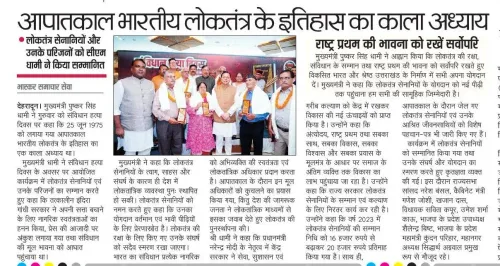
Singh paid tribute to those who resisted the Emergency, writing that 'the nation remains indebted to all those who stood against the injustices and excesses of the Emergency and courageously defended democracy and the Constitution.' This tribute encompasses political leaders, journalists, lawyers, and ordinary citizens who faced detention or harassment during the period.
The judiciary features prominently in the historical reckoning: Emergency-era amendments and executive pressure on courts remain a reference point in ongoing debates about judicial independence and the balance of power between the executive and the courts. Indian citizens broadly are the intended audience for the reaffirmation of constitutional rights.
What's Next
Opposition parties are expected to issue their own statements on the anniversary, with some likely contesting the ruling party's framing of democratic propriety. The monsoon session of Parliament is anticipated in the coming weeks, where debates on fundamental rights provisions and judicial appointment procedures could test the commitments articulated by Singh and other senior leaders today.
The anniversary also serves as a marker against which civil society groups, legal scholars, and political commentators measure the present state of press freedom, judicial independence, and citizens' rights — making 25 June an annually recurring inflection point in India's democratic discourse.
Point of View
The message doubles as a political credential ahead of any upcoming electoral cycle. The invocation of judicial independence and free speech is particularly pointed given ongoing national debates on both fronts. What the statement avoids is as telling as what it includes: no specific policy action or institutional reform is announced, keeping the message in the register of solemn commemoration rather than legislative intent.
NationPress
23 Sept 2026
Frequently Asked Questions
What is the 1975 Emergency in India?
The 1975 Emergency was a 21-month period from 25 June 1975 to March 1977 during which Prime Minister Indira Gandhi advised the President to proclaim a national emergency under Article 352 of the Constitution, suspending civil liberties, curtailing press freedom, and enabling mass detention of political opponents.
Why did Rajnath Singh post about the Emergency today?
25 June 2026 marks the 51st anniversary of the Emergency's imposition. Union Defence Minister Rajnath Singh used the occasion to call it India's darkest democratic chapter and to reaffirm the Modi government's commitment to the Constitution and democratic institutions.
What did Rajnath Singh say about the Emergency?
Singh said the Emergency saw freedom of speech curtailed, attempts to 'control and undermine the judiciary,' and violations of millions of citizens' rights. He stated that the day should be an 'opportunity to reaffirm our commitment to democracy, the Constitution, and the rights and freedoms of citizens.'
How does the BJP mark the Emergency anniversary?
Since 2014 , the BJP-led government has observed 25 June annually with statements from senior leaders recalling Emergency-era excesses and contrasting them with the party's emphasis on constitutional propriety and democratic institutions.
Who does Rajnath Singh credit for resisting the Emergency?
Singh stated that 'the nation remains indebted to all those who stood against the injustices and excesses of the Emergency and courageously defended democracy and the Constitution,' a broad tribute to political leaders, civil society members, journalists, and citizens who resisted the 1975–77 period.