Rajnath Singh Represents India at SCO Summit in Dushanbe
Synopsis
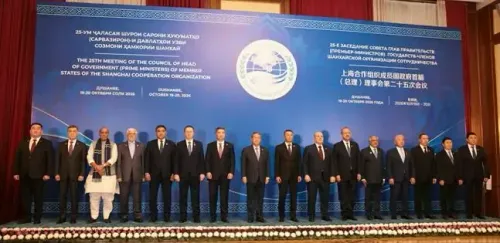
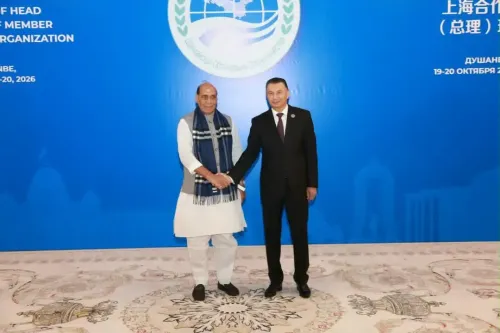
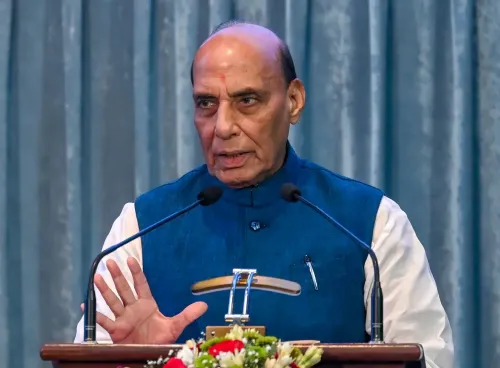
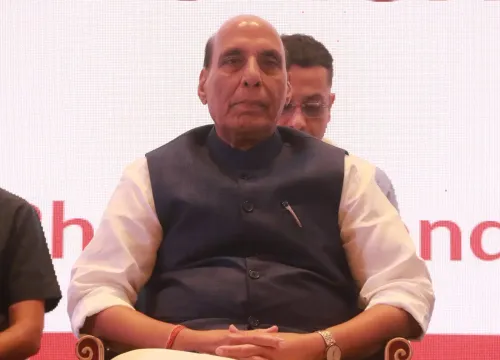
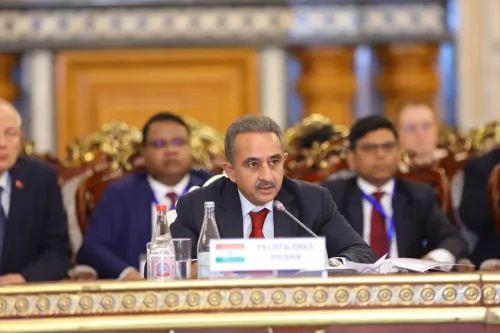
Union Defence Minister Rajnath Singh represented India at the 25th SCO Council of Heads of Government meeting in Dushanbe, Tajikistan on October 20, 2026, reaffirming India's commitment to regional peace, sustainable development and lasting stability within the Eurasian security forum.
Key Takeaways
Rajnath Singh represented India at the 25th SCO Council of Heads of Government meeting in Dushanbe, Tajikistan on October 20, 2026 .
India reassured the SCO forum of its 'utmost commitment for regional peace, sustainable development and lasting stability.' The meeting was described as taking place in a 'warm and cordial atmosphere.' India has been a full SCO member since the 2017 Astana summit , engaging a bloc covering approximately 40 percent of the world's population.
India's SCO engagement focuses on counter-terrorism, sustainable development and sovereignty-respecting connectivity — core positions reiterated at this meeting.
The Dushanbe appearance reflects India's broader multi-alignment strategy , balancing SCO ties with parallel engagement in the Quad and BRICS.
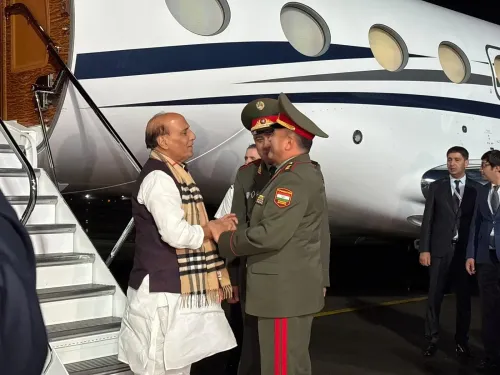
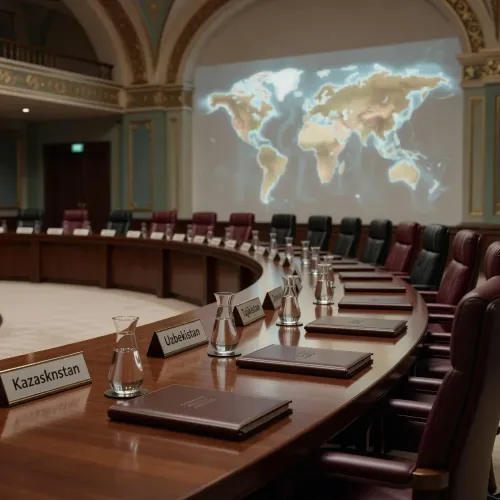
At the crossroads of Eurasia, Union Defence Minister Rajnath Singh carried India's flag into the 25th Shanghai Cooperation Organisation (SCO) Council of Heads of Government meeting in Dushanbe, Tajikistan on Tuesday, October 20, 2026 — reaffirming New Delhi's stake in a region where security fault-lines and connectivity ambitions collide daily.
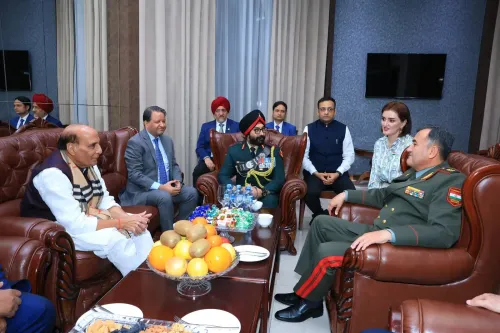
Singh described the gathering as taking place in a 'warm and cordial atmosphere,' with India using the forum to reassert its 'utmost commitment for regional peace, sustainable development and lasting stability.' The language was measured, but the message was pointed: India intends to remain a consequential voice inside the SCO's tent, not merely a spectator.
India's Nine-Year Journey as a Full SCO Member
India became a full member of the SCO at the 2017 Astana summit, joining a bloc that now spans roughly 40 percent of the world's population and includes China, Russia, Pakistan and four Central Asian republics. That accession was a calculated bet — New Delhi gaining a seat at Central Asia's premier security table while navigating a room that also seats its most complex rivals.
The SCO Council of Heads of Government is the organisation's second-highest forum, focused primarily on economic cooperation, trade and multilateral development projects. Sending a cabinet minister of Singh's seniority signals that India continues to treat the engagement seriously, even as bilateral tensions with some member states occasionally simmer beneath the multilateral cordiality.
Why Dushanbe, and Why It Matters Now
Tajikistan, nestled on Afghanistan's northern border, is no incidental host. Dushanbe sits at the sharpest edge of the SCO's most urgent agenda items: post-withdrawal Afghanistan, cross-border terrorism, and the scramble to build connectivity corridors that bypass traditional chokepoints. Every statement India makes in this capital lands with geographic weight.
India's consistent SCO positioning rests on three pillars — counter-terrorism cooperation, sustainable development financing, and opposition to connectivity projects that compromise sovereignty principles. Singh's reiteration of those themes inside the forum keeps New Delhi's red lines visible to partners and rivals alike.
Multi-Alignment in Practice
The Dushanbe appearance is a clean illustration of India's multi-alignment doctrine in action. Within weeks of engaging SCO partners — which include China and Russia — New Delhi simultaneously deepens ties through the Quad and BRICS frameworks. The geometry is deliberate: India refuses to be boxed into any single axis, using each forum to advance specific interests without foreclosing options elsewhere.
The real test will come in the follow-up — whether joint SCO documents from this meeting reflect India's language on terrorism and connectivity, or whether the communiqué tilts toward frameworks New Delhi has consistently resisted. Watch that text closely.
Point of View
Remain vocal, and keep all options open. The real dividend will be measured in whether India's positions appear in the summit's final documents.
NationPress
20 Oct 2026
Frequently Asked Questions
What is the SCO Council of Heads of Government meeting?
The SCO Council of Heads of Government is the Shanghai Cooperation Organisation's second-highest forum, meeting annually to discuss economic cooperation, trade and multilateral development among member states including India, China, Russia and Central Asian nations.
Why did Rajnath Singh attend the SCO meeting instead of the External Affairs Minister?
The post does not specify the reason for Singh's designation as India's representative. Senior cabinet ministers other than the External Affairs Minister sometimes represent India at multilateral forums based on government scheduling and diplomatic priorities.
When did India join the SCO as a full member?
India became a full member of the Shanghai Cooperation Organisation at the 2017 Astana summit , expanding its engagement in Eurasian security and connectivity discussions.
What are India's main priorities at SCO meetings?
India consistently advances three positions at SCO forums: strong counter-terrorism cooperation, sustainable development financing, and opposition to connectivity projects that it believes compromise national sovereignty principles.
Where is Dushanbe and why is it significant for SCO discussions?
Dushanbe is the capital of Tajikistan , which borders Afghanistan to the north. Its geographic proximity to Afghanistan makes it a strategically relevant host for SCO discussions on regional security, terrorism and Central Asian connectivity.