Rajnath Singh slams Congress for crushing Constitution, democracy
Synopsis
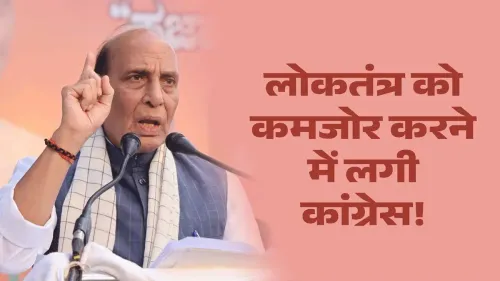
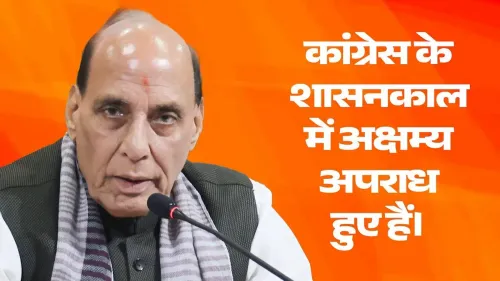
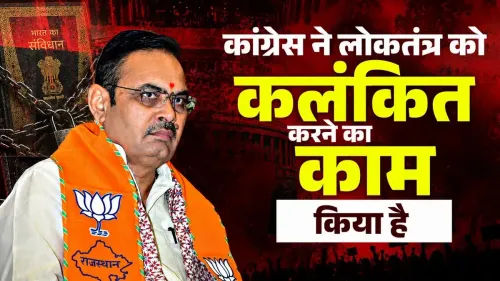
Union Defence Minister Rajnath Singh accused Congress of crushing the Constitution — from the 1975 Emergency to dismissed state governments and alleged judicial interference.
Key Takeaways
Union Defence Minister Rajnath Singh on 25 November 2026 accused Congress of crushing constitutional and democratic norms.
He cited the 1975–77 Emergency, dismissal of elected state governments, and alleged interference with judicial independence.
The 21-month Emergency under Indira Gandhi's government suspended civil liberties and imposed press censorship, with detentions under MISA.
The Supreme Court's 1976 ADM Jabalpur ruling, later reversed, is still cited in debates on judicial independence.
Congress governments in the 1970s and 1980s frequently used Article 356 to impose President's Rule on opposition-ruled states.
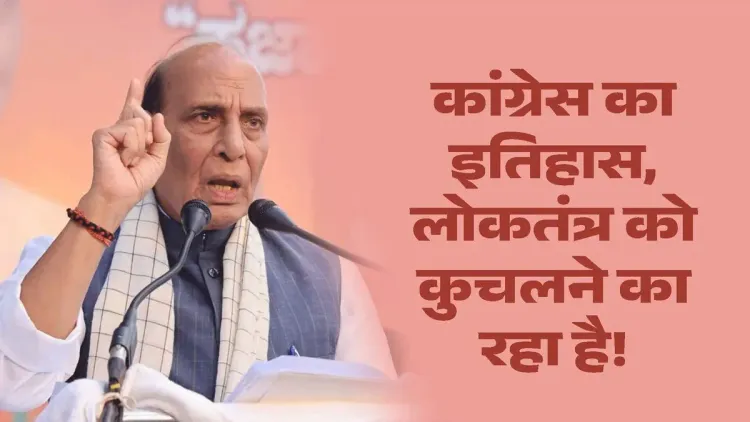
Union Defence Minister Rajnath Singh on Wednesday, 25 November 2026, used a post from New Delhi to accuse the Congress of crushing constitutional limits — from the 1975 Emergency to the dismissal of elected state governments and alleged interference with the judiciary. The charge is not a footnote. It is the longest-running case the BJP has run against its principal rival: that when Congress held the Centre, institutions bent to power.
Singh wrote: 'From the Emergency to the dismissal of elected state governments and interference in the independence of the judiciary, Congress's history is filled with dark deeds that crushed the dignity of the Constitution and democracy. In the self-interest of power, Congress has repeatedly injured constitutional institutions.' He framed those episodes as kaale karnaame (dark deeds) against the Constitution and democracy, not as distant history.
From the 1975 Emergency to ADM Jabalpur
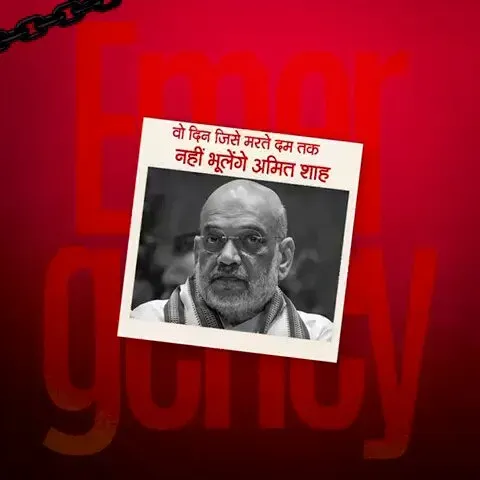
The national Emergency of 1975–77, declared by Prime Minister Indira Gandhi's Congress government, is the first exhibit. For 21 months, civil liberties were suspended, the press was censored, and the Centre ruled by decree. Mass detentions followed under the Maintenance of Internal Security Act, or MISA.
The Supreme Court's ADM Jabalpur judgment of 1976 held that even the right to life could be suspended while the Emergency lasted. That ruling was later reversed after the clampdown ended. It still sits at the centre of every argument about how far a government can push the courts when political survival is at stake.
Article 356 and dismissed state governments
Singh's second charge is federal, not just civil-liberties. Under Article 356, the Centre can impose President's Rule if it claims constitutional machinery has broken down in a state. Congress governments in the 1970s and 1980s used that power repeatedly against opposition-ruled states, dismissing elected administrations from the capital.
That is why the line about chuni hui rajya sarkaron ki barkhastagi (dismissal of elected state governments) still travels. Every later government has been accused of stretching the same clause. The Emergency and those pre-reform dismissals remain the reference points against which later central interventions are still measured.
A charge built to travel into Parliament
The post does not name a single immediate trigger. What it does is lock the Congress to a three-part charge sheet Indian voters already know: Emergency, Article 356, and the courts. Opposition parties, sitting state governments and the judiciary are the stakeholders in that frame.
Indian politics has long run on this mirror. The BJP cites 1975. Congress cites later central interventions. Singh's intervention keeps that argument live in the language of constitutional injury, not routine score-settling — and Congress leadership will be pressed to answer, including if the charge surfaces in the winter session of Parliament or in state assemblies.
Fifty years on, the Emergency is still the first exhibit in India's argument over who has treated the Constitution as a convenience. Singh just put that exhibit back on the table.
Point of View
Article 356 dismissals and the courts into one sentence, he treats 1975 as living politics, not closed history. That frame is designed to put Congress on the defensive over democratic credentials whenever institutional power is in dispute. Watch whether the party answers on the record in Parliament or lets the charge sit.
NationPress
25 Nov 2026
Frequently Asked Questions
What did Rajnath Singh say about Congress and the Constitution?
Union Defence Minister Rajnath Singh said Congress history is filled with dark deeds that crushed the dignity of the Constitution and democracy, from the Emergency to the dismissal of elected state governments and interference in judicial independence. He added that Congress repeatedly injured constitutional institutions in the self-interest of power.
What was the Emergency of 1975-77 in India?
The national Emergency was a 21-month period from 1975 to 1977 under Prime Minister Indira Gandhi's Congress government. Civil liberties were suspended, the press was censored, the Centre ruled by decree, and mass detentions were carried out under MISA.
What is Article 356 or President's Rule?
Article 356 of the Constitution lets the Centre impose President's Rule if it claims constitutional machinery has broken down in a state. Congress governments in the 1970s and 1980s used it frequently to dismiss opposition-ruled elected state governments.
What was the ADM Jabalpur case?
ADM Jabalpur was a 1976 Supreme Court judgment during the Emergency that held even the right to life could be suspended. The precedent was later reversed after the Emergency ended and is still cited in debates on judicial independence.
Why did Rajnath Singh post this attack on Congress?
The post itself does not name a single immediate trigger. It restates a long-running BJP critique linking Congress to the Emergency, Article 356 dismissals and pressure on the courts.