Rajya Sabha passes NCDC Amendment Bill 2026; Opposition walks out
Synopsis
The Rajya Sabha passed the NCDC Amendment Bill 2026 by voice vote on 12 August, but not without drama — the Opposition walked out demanding Home Minister Amit Shah's presence, while a separate slur controversy between two members nearly derailed the session. Critics within the ruling alliance itself warned the Bill could strip village cooperatives of autonomy and hand power to middlemen.
Key Takeaways
The Rajya Sabha passed the NCDC Amendment Bill, 2026 by voice vote on 12 August 2026 .
The Opposition staged a walkout demanding Union Home Minister Amit Shah's presence and raising the Ram temple donation theft issue.
BJP member Sulata Deo warned the Bill could shift powers from village cooperatives to the Central government , benefiting middlemen over farmers.
A separate controversy over an alleged 'lungiwala' slur by Sushmita Dev against John Brittas was flagged during the morning session.
The Bill, already passed by the Lok Sabha , now proceeds for Presidential assent .
The Kerala (Alteration of Name) Bill, 2026 was taken up immediately after the vote.
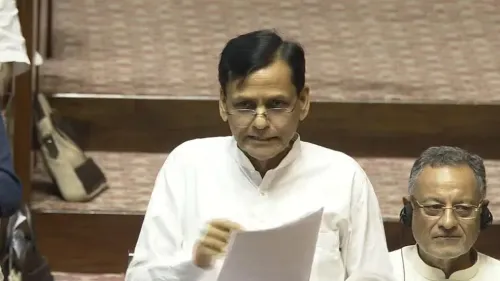
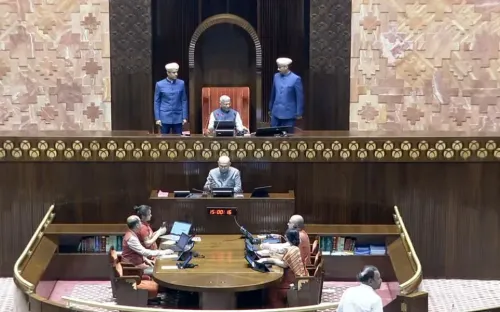
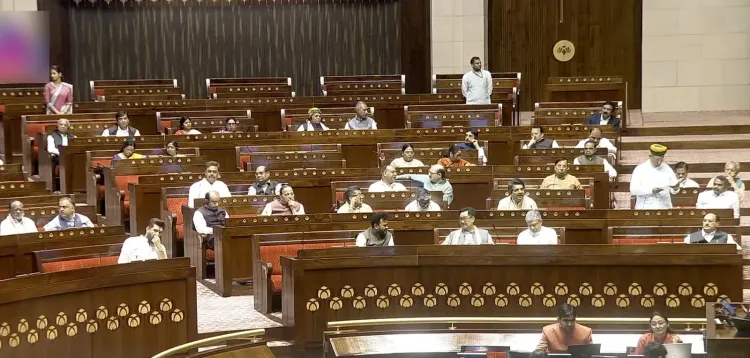
The Rajya Sabha on Wednesday, 12 August 2026 passed the National Co-operative Development Corporation (Amendment) Bill, 2026 by a voice vote, following over an hour of debate marked by Opposition sloganeering and a dramatic walkout. The Bill, which amends the National Co-operative Development Corporation Act, 1962, had already cleared the Lok Sabha before being taken up in the Upper House.
How the Session Unfolded
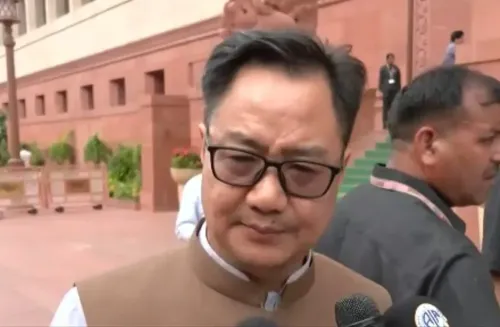
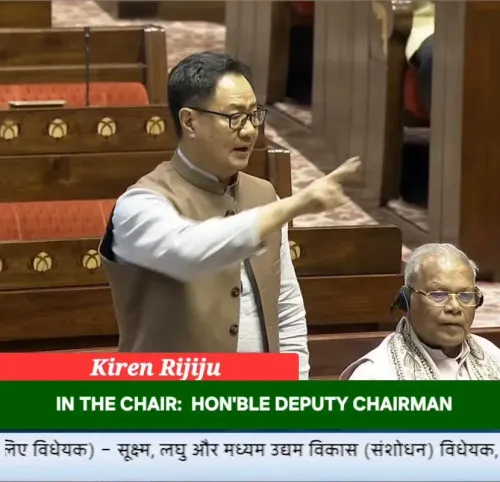
Deputy Chairman Harivansh Narayan Singh informed the House that Parliamentary Affairs Minister Kiren Rijiju had requested members to prioritise the NCDC Bill when proceedings resumed after an earlier adjournment. Minister of State for Cooperation Murlidhar Mohol moved the motion and subsequently replied to the debate before the final vote.
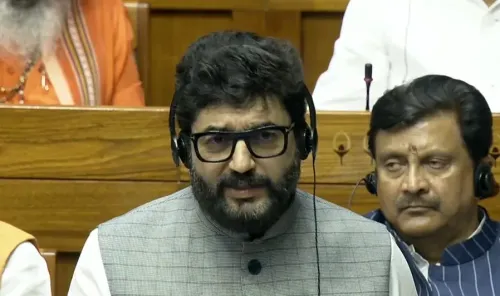
The session was preceded by a separate flashpoint: BJP member Sushmita Dev was called upon to clarify remarks she allegedly made against CPI(M) member John Brittas. Brittas had raised the issue during the morning session, alleging he had been targeted with the 'lungiwala' slur. Dev, responding to the allegation, said, 'If he feels I need to approach him and say something, I would be more than happy to. I love the people of Kerala, the Northeast, Karnataka…' Leader of the House JP Nadda suggested the two members resolve the 'misunderstanding' in his chamber.
Opposition Walkout and Demands
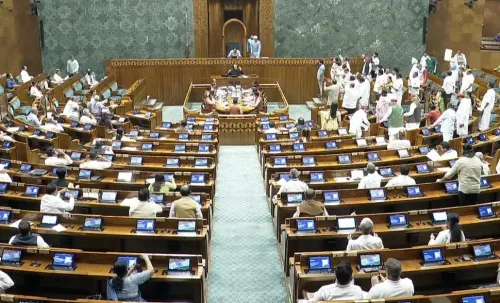
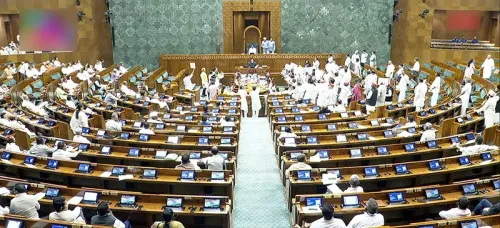
Opposition members continued to raise slogans over the Ram temple donation theft issue and demanded the presence of Union Home Minister Amit Shah in the Upper House, arguing that since the Bill was in the Home Minister's name, his attendance was mandatory. When Leader of Opposition Mallikarjun Kharge pressed the point, the Deputy Chairman declined to allow him to continue and called upon Nadda to respond.
Nadda urged the Opposition not to 'run away from the discussion,' asserting that the government was ready to engage on any matter. Shortly after, the Opposition staged a walkout and did not participate further in the proceedings.
Key Voices in the Debate
Among those who spoke during the discussion were Ramrao Sakharam Wadkute of the Bharatiya Janata Party (Maharashtra), KRN Rajesh Kumar of the Dravida Munnetra Kazhagam (Tamil Nadu), and Sulata Deo of the BJP (Odisha). Deo raised concerns that the Bill sought to shift powers away from local village cooperatives toward the Central government, warning it could create space for middlemen and push farmers 'from the clutches of moneylenders into those of corporates.'
Dr M Thambidurai of the AIADMK (Tamil Nadu) spoke in support of the legislation. Sanjay Kumar Jha of the Janata Dal (United) (Bihar) also backed the Bill and highlighted cooperative-sector achievements in Bihar. Others who supported the Bill included Rajendra Hiralal Jain of the NCP (Maharashtra), Vijaya Chintakayala of the Telugu Desam Party (Andhra Pradesh), Ravi Chandra Vaddiraju of the Bharat Rashtra Samithi (Telangana), Amar Pal Maurya of the BJP (Uttar Pradesh), and Dr M Dhanapal.
What Happens Next
With the Rajya Sabha's passage, the NCDC Amendment Bill, 2026 has cleared both Houses of Parliament and will now proceed for Presidential assent. Following the vote, the Deputy Chairman took up the Kerala (Alteration of Name) Bill, 2026, signalling a packed legislative agenda for the ongoing session.
Point of View
With BJP's Sulata Deo warning of centralisation risks for village cooperatives. That internal dissent, buried under the walkout headlines, deserves closer attention. The cooperative sector touches over 30 crore members across rural India; how power is distributed within it is not a technicality — it is a political economy question with direct consequences for agrarian distress.
NationPress
12 Aug 2026
Frequently Asked Questions
What is the NCDC Amendment Bill 2026?
The National Co-operative Development Corporation (Amendment) Bill, 2026 amends the NCDC Act of 1962, which governs the financing and promotion of cooperative enterprises in India. It was passed by the Rajya Sabha on 12 August 2026 by a voice vote after clearing the Lok Sabha earlier.
Why did the Opposition walk out during the Rajya Sabha debate?
The Opposition walked out primarily to protest the absence of Union Home Minister Amit Shah, arguing his presence was required since the Bill was associated with his portfolio. Members also raised slogans over the Ram temple donation theft issue before staging the walkout.
What concerns were raised about the NCDC Amendment Bill?
BJP member Sulata Deo argued the Bill would shift powers away from local village cooperatives to the Central government, potentially creating space for middlemen and pushing farmers from moneylenders toward corporates. These concerns were raised from within the ruling alliance itself.
Who spoke in favour of the NCDC Amendment Bill?
Supporters included Dr M Thambidurai of the AIADMK, Sanjay Kumar Jha of JD(U), Rajendra Hiralal Jain of NCP, Vijaya Chintakayala of TDP, Ravi Chandra Vaddiraju of BRS, Amar Pal Maurya of BJP, and Dr M Dhanapal, among others.
What happens after the Rajya Sabha passed the NCDC Bill?
Having cleared both Houses of Parliament, the NCDC Amendment Bill, 2026 will now be sent for Presidential assent before it becomes law. The Rajya Sabha immediately proceeded to take up the Kerala (Alteration of Name) Bill, 2026 after the vote.