Ram Temple CEO appointment delayed as Trust screening process incomplete
Synopsis
The Ram Temple's first CEO appointment has hit a procedural wall — the expert screening committee is overwhelmed with applications and cannot finalise a shortlist in time for the Trust's 22 July meeting. With three trustee vacancies, a contested General Secretary role, and an embezzlement row in the backdrop, the Shri Ram Janmabhoomi Teerth Kshetra Trust is navigating its most complex governance moment since the temple's consecration.
Key Takeaways
The Shri Ram Janmabhoomi Teerth Kshetra Trust met in Ayodhya on 22 July to discuss administrative reforms, including the appointment of the Ram Temple's first CEO .
A final CEO decision was unlikely as the three-member expert committee has not completed screening the large volume of applications received.
The CEO post was created at the Trust's 6 July meeting following allegations of theft of temple offerings.
Three Trust positions are vacant — one due to the death of trustee Bimlendra Mohan Pratap Mishra and two after the resignations of Champat Rai and Dr.
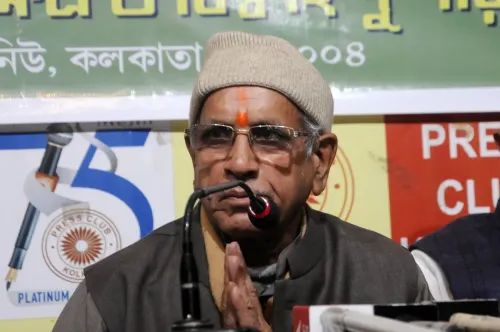
Krishna Mohan , acting General Secretary, is reportedly a strong contender for the permanent role; VHP 's B.L.
Bangda is reportedly being considered for a trustee vacancy.
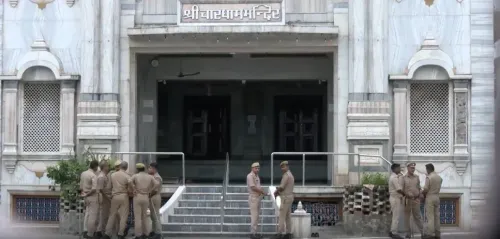
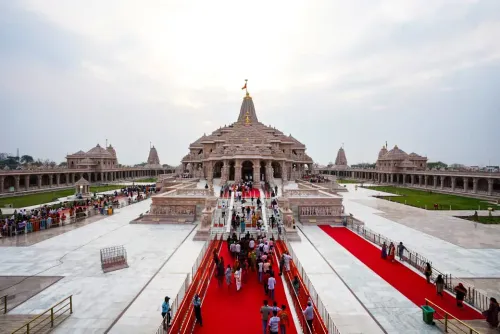
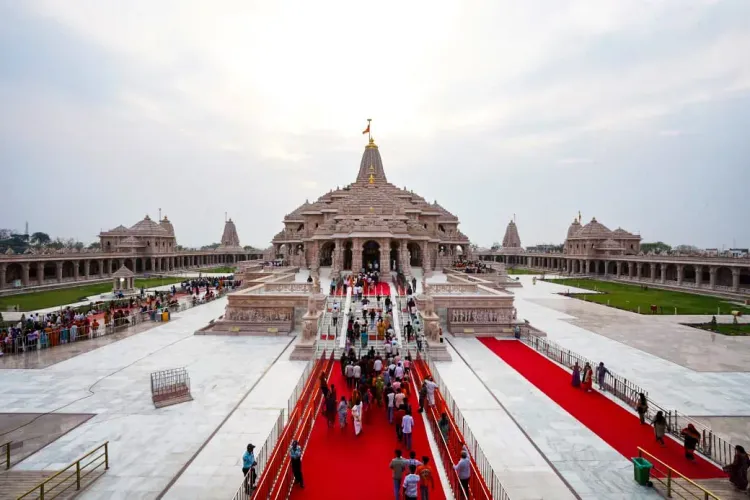
The Shri Ram Janmabhoomi Teerth Kshetra Trust convened a key meeting in Ayodhya on Wednesday, 22 July to deliberate on administrative reforms at the Ram Temple, including the appointment of its first-ever Chief Executive Officer (CEO) and the filling of three vacant trustee positions. However, sources indicated that a final decision on the CEO appointment was unlikely to emerge from the meeting, as the applicant screening process remains incomplete.
Why the CEO Decision Has Been Deferred
A three-member expert committee constituted to recommend candidates for the newly created CEO post has reportedly received a large volume of applications, making it difficult to complete the evaluation within the stipulated timeframe. As a result, the committee is unlikely to submit its final shortlist of three candidates before the Trust meeting, effectively delaying the selection of the temple's first professional administrator.
The decision to create the CEO post was taken at the Trust's earlier meeting on 6 July, in the wake of allegations of theft involving temple offerings. At that meeting, the Trust resolved to introduce a professional administrative structure aimed at strengthening management, improving financial transparency, tightening security arrangements, and streamlining facilities for devotees.
Roles and Powers of the Incoming CEO
Once appointed, the CEO will oversee the temple's day-to-day administration, ensure implementation of management decisions, and supervise staff. With the Trust's approval, the CEO will also be empowered to appoint the secretary and other personnel required for the temple's operations — a significant expansion of executive authority compared to the existing structure.
Three Vacancies and the General Secretary Question
Beyond the CEO search, the Trust is also deliberating on filling three vacant positions. One vacancy arose following the death of trustee Bimlendra Mohan Pratap Mishra, former head of the Ayodhya royal family. The other two were created after the resignations of former General Secretary Champat Rai and former trustee Dr. Anil Mishra.
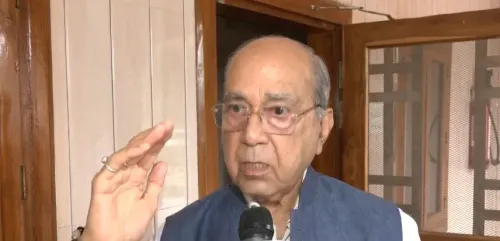
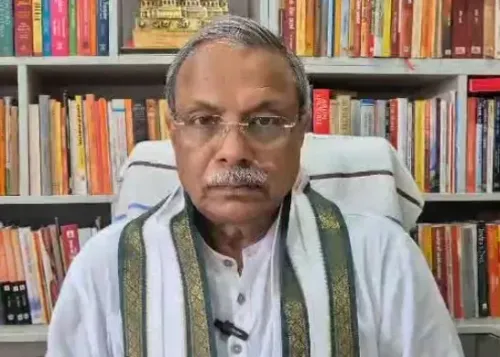
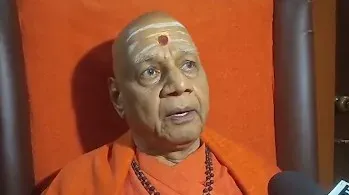
When asked whether Krishna Mohan — appointed acting General Secretary at the previous Trust meeting — would be elevated to the permanent role, Mahant Dinendra Das said no decision had been communicated to members. 'As of now, we do not have any information. Whoever is appointed should have good conduct and character, with no involvement in theft or any criminal activity. They should always maintain transparency, regularly present accounts, and keep society informed. Such a person is fit for the role,' he said.
According to sources, Krishna Mohan remains a strong contender for the permanent General Secretary post. Discussions are also reportedly underway regarding the vacant trustee positions, with names such as Vishwa Hindu Parishad (VHP) National General Secretary B.L. Bangda reportedly being considered.
Context: The Embezzlement Row That Triggered Reform
The administrative overhaul comes amid a wider controversy over alleged embezzlement of temple offerings — a row that has drawn public scrutiny to the governance of one of India's most prominent religious institutions. This is the Trust's second major governance intervention in quick succession, underscoring the urgency with which it is attempting to restore public confidence. Notably, the simultaneous vacancies at the General Secretary and trustee levels represent an unusual degree of leadership flux for an institution of this scale.
The outcome of Wednesday's deliberations is expected to shape the Ram Temple's administrative framework for years to come, as the Trust seeks to balance religious tradition with professional accountability.
Point of View
Two trustee seats, and now a stalled CEO search reveals an institution that scaled rapidly in public significance without building a commensurate administrative backbone. The Trust's decision to professionalise through a CEO is sound in principle, but the inability to process applications in time for a scheduled meeting raises questions about the committee's own capacity. More critically, the criteria articulated by Mahant Dinendra Das — 'no involvement in theft, transparency, regular accounts' — are baseline governance standards, not a professional brief. If the CEO role is to genuinely transform temple management, the Trust will need to define the mandate with far greater institutional rigour than has been evident so far.
NationPress
22 Jul 2026
Frequently Asked Questions
Why has the Ram Temple CEO appointment been delayed?
The appointment has been delayed because the three-member expert committee tasked with screening applications for the CEO post received a large number of applications and could not complete the process in time for the 22 July Trust meeting. The committee is expected to submit a shortlist of three candidates after the screening is concluded.
Why was the CEO post created at the Ram Temple?
The CEO post was created at the Trust's 6 July meeting following allegations of theft of temple offerings. The Trust decided to introduce a professional administrative structure to improve financial transparency, strengthen security, and streamline management of the temple.
Who are the candidates being considered for key Trust positions?
Krishna Mohan, who was appointed acting General Secretary at the previous Trust meeting, is reportedly a strong contender for the permanent General Secretary role. VHP National General Secretary B.L. Bangda is reportedly being considered for one of the vacant trustee positions, according to sources.
Why are there three vacancies in the Ram Temple Trust?
One vacancy arose after the death of trustee Bimlendra Mohan Pratap Mishra, former head of the Ayodhya royal family. The other two were created following the resignations of former General Secretary Champat Rai and former trustee Dr. Anil Mishra.
What will the Ram Temple CEO be responsible for?
The CEO will oversee day-to-day temple administration, implement management decisions, and supervise staff. With the Trust's approval, the CEO will also have authority to appoint the secretary and other administrative personnel.