Is Ramadan Set to Commence Tomorrow in J&K?
Synopsis
The sighting of the Ramadan crescent in Jammu and Kashmir signals the beginning of a month filled with fasting, prayer, and community spirit. Muslims around the world prepare to observe this sacred time, marked by special prayers and traditions. Join the festivities as the holy month unfolds.
Key Takeaways
The crescent moon sighting in J&K marks the start of Ramadan.
Muslims fast from dawn to dusk during this holy month.
Special prayers, including Tarawih, are performed at night.
Charity and community unity are emphasized throughout Ramadan.
Eid al-Fitr celebrates the end of the fasting month.
Srinagar, Feb 18 (NationPress) Following the sighting of the Ramadan crescent in various regions across the country, including Jammu and Kashmir, the 30-day period of fasting is scheduled to commence on Thursday.
Throughout the globe, Muslims engage in dawn-to-dusk fasting during this holy month.
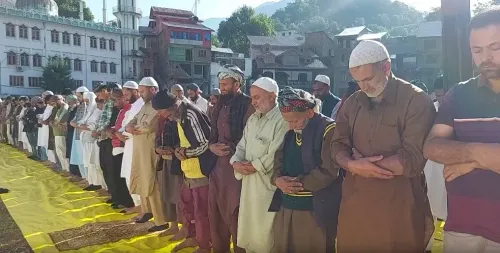
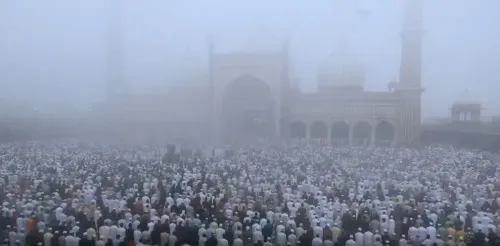
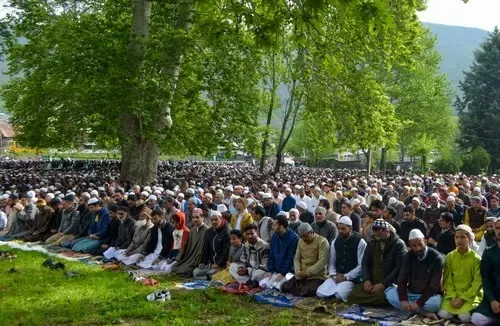
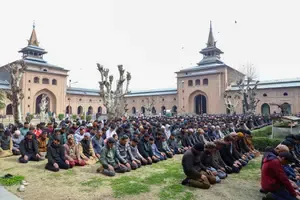
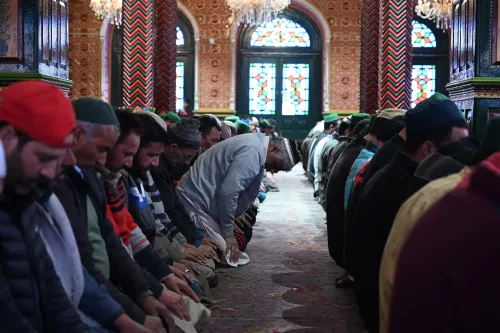
This month is recognized for its focus on prayer and atonement. Devout followers perform the obligatory five daily prayers and additionally participate in the ‘Tarawih’ prayers in the evenings.
Tarawih (also spelled Taraweeh/Taravi) consists of special, voluntary Sunnah prayers conducted at night during Ramadan, typically following the Isha prayer, which is the final mandatory daily Islamic prayer.
These prayers are generally performed in groups, often comprising either 8 or 20 rak'ah (cycles) to facilitate the recitation of the Quran throughout the month, which promises significant rewards.
The essence of Ramadan lies in charity, devotion, compassion, and unity among believers. From the wealthiest to the most modest, Muslims gather to ask for forgiveness and seek assurance of a better afterlife.
The evening prior to Ramadan saw bustling activity as Muslims in Srinagar and other towns across Kashmir engaged in extensive shopping.
Dates are particularly favored during this holy month, as many Muslims prefer breaking their fast with them, followed by food and water.
Long queues were observed outside grocery stores and vendors selling food items, as community members prepared for the holy month.
Children, unless they reach maturity, are typically not required to fast during Ramadan. However, many curious youngsters, inspired by their parents' excitement, choose to fast at least on the first day of the month.
The local administration has arranged for ample supplies of food, including various edibles, dairy products, chicken, and mutton.
The successful conclusion of Ramadan is celebrated by Muslims with the Eid al-Fitr festival, marking the end of a month of fasting, culminating in a communal meal on the Eid day.
Point of View
It is crucial to highlight the cultural and spiritual significance of Ramadan. This month not only fosters individual reflection but also strengthens community bonds through shared traditions and acts of kindness. In a world that often feels divided, such observances remind us of our common humanity and the importance of compassion and unity.
NationPress
8 Oct 2026
Frequently Asked Questions
Why do Muslims fast during Ramadan?
Fasting during Ramadan is one of the Five Pillars of Islam and serves to cultivate self-discipline, empathy for the less fortunate, and spiritual growth.
What are Tarawih prayers?
Tarawih prayers are special voluntary prayers performed at night during Ramadan, usually after the Isha prayer, and are intended to enhance spiritual connection.
What is Eid al-Fitr?
Eid al-Fitr is the festival celebrated at the end of Ramadan, marking the conclusion of fasting with communal prayers and feasting.
How do Muslims break their fast?
Muslims typically break their fast with dates and water, followed by a meal that often includes various traditional dishes.